Loading...
Back to Articles
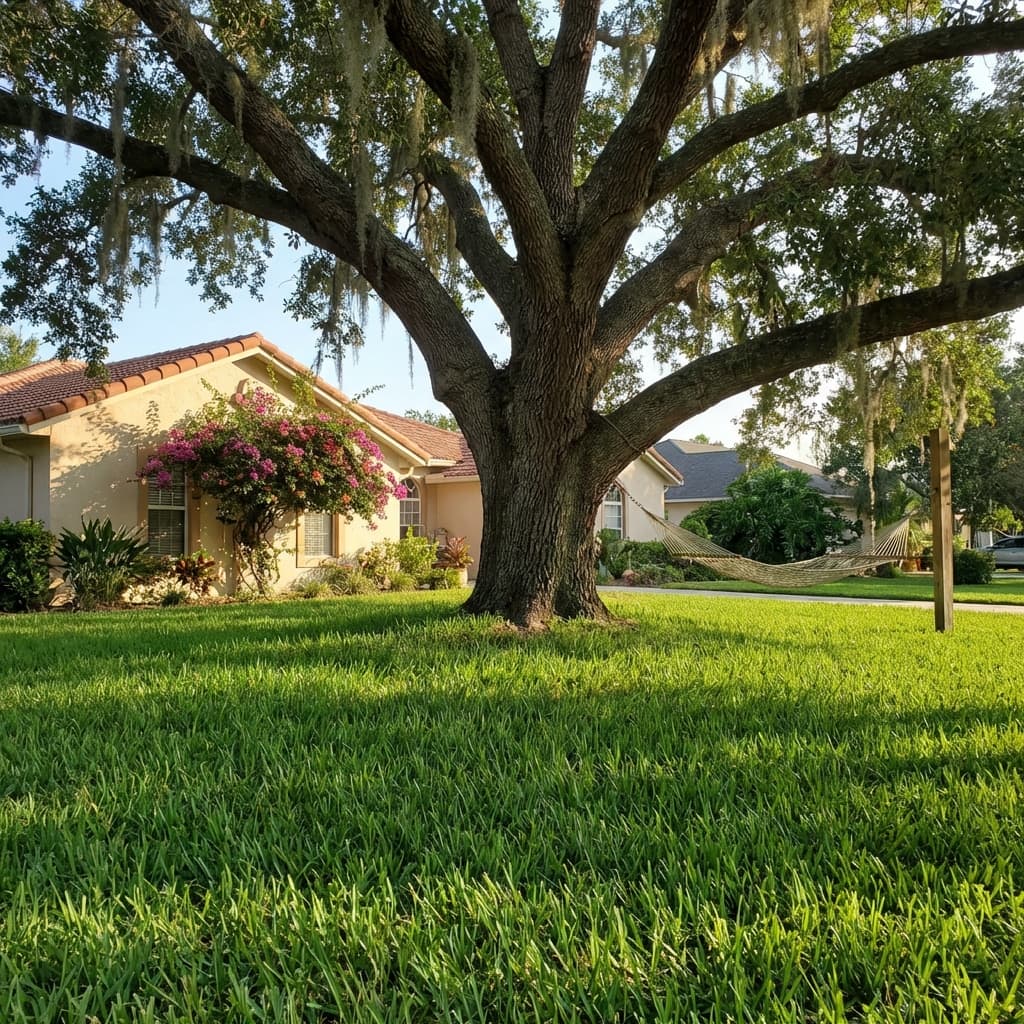
Tree Selection Guide for Jacksonville, FL — Best Shade Trees for Your Yard
Trees & Shrubs January 7, 2026 11 min read
For current costs, compare the exact product or written project scope. See what to include in a sod estimate; this guide does not establish a current price, saving or resale return.
Selecting the right shade trees for your Jacksonville property is one of the most important long-term investments you can make in your landscape. Northeast Florida's Zone 9a/9b climate offers excellent growing conditions for a wide variety of native and adapted trees that can provide decades of beauty, energy savings, and environmental benefits. Whether you're planning new construction landscaping or enhancing an existing property, understanding which trees thrive in our unique climate will help you make choices that benefit both your property and your sod investment.
This comprehensive guide explores the best shade tree options for Jacksonville homeowners, covering everything from fast-growing natives to strategic placement that maximizes energy efficiency while protecting your lawn and landscaping investments.
Climate Benefits for Tree Growth
Northeast Florida's subtropical climate provides nearly ideal conditions for a diverse range of tree species, offering advantages that many other regions can't match.
Growing Season Advantages:
- Extended Growing Season: Trees can photosynthesize and grow nearly year-round
- Mild Winters: Rare freeze events allow for broader species selection
- Adequate Rainfall: Average 50+ inches annually supports healthy growth
- High Humidity: Reduces water stress during summer months
- Moderate Wind: Less severe weather stress than coastal areas
Soil Conditions and Tree Health
Jacksonville's predominantly sandy soil, while challenging for lawns, actually provides excellent conditions for many tree species.
Sandy Soil Benefits for Trees:
- Drainage: Prevents root rot in high-rainfall conditions
- Root Penetration: Easy root expansion and establishment
- Aeration: Good soil oxygen levels support healthy root development
- Flexibility: Soil moves with root expansion rather than restricting growth
- Deep Rooting: Encourages deep root systems that access groundwater
Urban Forest Considerations
Jacksonville's urban environment presents both opportunities and challenges for tree selection.
Urban Benefits:
- Heat Island Reduction: Trees provide critical cooling in developed areas
- Air Quality: Significant pollution filtering capacity
- Stormwater Management: Tree canopies reduce runoff and erosion
Native Florida Species: The Foundation Trees
Native trees have evolved specifically for Northeast Florida conditions, making them the most reliable long-term choices for Jacksonville properties.
Live Oak (Quercus virginiana):
- Mature Size: 40-80 feet tall, 60-100 feet wide
- Growth Rate: Moderate to fast (2-3 feet per year)
- Canopy Character: Dense, spreading crown providing excellent shade
- Soil Tolerance: Thrives in Jacksonville's sandy soil
- Longevity: 200-300+ years with proper care
- Special Features: Iconic Southern character, supports wildlife
- Placement Considerations: Needs significant space, avoid near utilities
Southern Magnolia (Magnolia grandiflora):
- Mature Size: 60-80 feet tall, 30-50 feet wide
- Growth Rate: Moderate (1-2 feet per year)
- Canopy Character: Dense, evergreen foliage with large, fragrant blooms
- Soil Tolerance: Adapts well to various soil conditions
- Longevity: 80-120 years
- Special Features: Year-round shade, spectacular spring blooms
- Placement Considerations: Large leaves require cleanup, needs adequate space
Bald Cypress (Taxodium distichum):
- Mature Size: 50-70 feet tall, 20-30 feet wide
- Growth Rate: Moderate (1-2 feet per year)
- Canopy Character: Feathery foliage, pyramidal shape
- Soil Tolerance: Excellent for wet areas, adapts to dry conditions
- Longevity: 100-200+ years
- Special Features: Deciduous conifer, beautiful fall color
- Placement Considerations: Tolerates flooding, good for problem drainage areas
Red Oak (Quercus falcata):
- Mature Size: 60-80 feet tall, 60-80 feet wide
- Growth Rate: Fast (3-4 feet per year when young)
- Canopy Character: Open, rounded crown
- Soil Tolerance: Thrives in well-drained sandy soils
- Longevity: 80-150 years
- Special Features: Rapid early growth, good fall color
- Placement Considerations: Strong wood, good for larger properties
Adapted Non-Native Species
Several non-native species have proven their ability to thrive in Jacksonville's climate while providing excellent shade and landscape value.
Live Oak Varieties and Hybrids:
Water Oak (Quercus nigra):
- Mature Size: 50-80 feet tall, 40-60 feet wide
- Growth Rate: Fast (3-4 feet per year)
- Canopy Character: Dense, rounded crown
- Soil Tolerance: Adapts to various soil types
- Longevity: 60-80 years (shorter than live oak)
- Special Features: Quick establishment, good urban tolerance
- Placement Considerations: Faster growth but shorter-lived than live oak
Chinese Elm (Ulmus parvifolia):
- Mature Size: 40-50 feet tall, 35-45 feet wide
- Growth Rate: Fast (2-3 feet per year)
- Canopy Character: Dense, weeping habit
- Soil Tolerance: Extremely adaptable to Jacksonville conditions
- Longevity: 50-75 years
- Special Features: Drought tolerant once established
- Placement Considerations: Good urban tree, manageable size
Sweetgum (Liquidambar styraciflua):
- Mature Size: 60-75 feet tall, 40-50 feet wide
- Growth Rate: Moderate to fast (2-3 feet per year)
- Canopy Character: Pyramidal when young, spreading with age
- Soil Tolerance: Prefers moist, well-drained soil
- Longevity: 80-120 years
- Special Features: Outstanding fall color, star-shaped leaves
- Placement Considerations: Produces spiky seed balls, consider placement carefully
Fast-Growing Options for Quick Results
When immediate shade is a priority, several species provide rapid growth while maintaining long-term value.
Fast-Growing Shade Trees (3+ feet per year):
Tulip Tree (Liriodendron tulipifera):
- Growth Rate: 3-4 feet per year
- Mature Size: 70-90 feet tall, 35-50 feet wide
- Advantages: Rapid establishment, unique tulip-shaped flowers
- Considerations: Needs adequate moisture, can become very large
- Best Uses: Large properties, areas needing quick shade
Green Ash (Fraxinus pennsylvanica):
- Growth Rate: 3-4 feet per year
- Mature Size: 50-60 feet tall, 25-35 feet wide
- Advantages: Adaptable to various conditions, good fall color
- Considerations: Susceptible to emerald ash borer (monitor developments)
- Best Uses: Areas needing moderately fast shade
River Birch (Betula nigra):
- Growth Rate: 2-3 feet per year
- Mature Size: 40-70 feet tall, 40-60 feet wide
- Advantages: Attractive exfoliating bark, tolerates wet conditions
- Considerations: May need supplemental water during establishment
- Best Uses: Areas with moisture issues, accent planting
Moderate-Growth, Long-Term Value Trees
These species balance reasonable establishment time with excellent long-term characteristics.
Moderate-Growth Options (1-2 feet per year):
Shumard Oak (Quercus shumardii):
- Growth Rate: 1-2 feet per year
- Mature Size: 60-80 feet tall, 40-60 feet wide
- Advantages: Excellent fall color, strong wood, good urban tolerance
- Considerations: Takes time to establish shade canopy
- Best Uses: Long-term shade investment, street tree applications
Black Gum (Nyssa sylvatica):
- Growth Rate: 1-2 feet per year
- Mature Size: 30-50 feet tall, 20-30 feet wide
- Advantages: Outstanding fall color, wildlife value
- Considerations: Slow initial establishment
- Best Uses: Medium-sized properties, naturalized areas
Slow-Growing, Premium Quality Trees
For those willing to wait, slow-growing species often provide the highest quality shade and longest lifespan.
Premium Slow-Growth Trees (less than 1 foot per year):
White Oak (Quercus alba):
- Growth Rate: 12-24 inches per year
- Mature Size: 50-80 feet tall, 50-80 feet wide
- Advantages: Exceptional longevity (200+ years), strong wood
- Considerations: Very slow initial growth
- Best Uses: Legacy planting, areas where permanence is valued
American Beech (Fagus grandifolia):
- Growth Rate: 12-24 inches per year
- Mature Size: 50-70 feet tall, 40-60 feet wide
- Advantages: Smooth bark, excellent shade, beautiful form
- Considerations: Sensitive to soil compaction, slow establishment
- Best Uses: Naturalized areas, away from high-traffic zones
Understanding Root Patterns
Different tree species exhibit distinct root growth patterns that directly impact lawn and landscaping decisions.
Root System Types:
Deep-Rooted Species (Tap Root Systems):
- Examples: Pine species, hickories, some oaks
- Advantages: Less competition with surface-rooted grass
- Sod Compatibility: Excellent - minimal interference with lawn areas
- Watering Considerations: Can access deep groundwater
- Maintenance: Less likely to create surface root problems
Shallow, Spreading Root Systems:
- Examples: Maples, birches, some oaks
- Advantages: Quick establishment, good drought recovery
- Sod Compatibility: Challenging - competes directly with grass
- Watering Considerations: May require supplemental irrigation
- Maintenance: Regular root pruning may be necessary
Fibrous Root Systems:
- Examples: Most ornamental trees, smaller species
- Advantages: Good nutrient uptake, stable anchorage
- Sod Compatibility: Moderate - manageable with proper planning
- Watering Considerations: Responds well to surface irrigation
- Maintenance: May create minor surface irregularities
Trees to Avoid Near Sod Areas
Some species are known for aggressive root systems that make lawn maintenance difficult or impossible.
Problematic Species for Lawn Areas:
Silver Maple (Acer saccharinum):
- Root Issues: Extremely aggressive surface roots
- Sod Impact: Makes mowing difficult, competes heavily for water
- Alternative Suggestions: Choose red maple or other maple species instead
Willow Species (Salix spp.):
- Root Issues: Invasive roots seek water aggressively
- Sod Impact: Can damage irrigation systems, creates wet/dry zones
- Alternative Suggestions: River birch for moisture-tolerant applications
Sweet Gum (in small spaces):
- Root Issues: Surface roots in confined areas
- Sod Impact: Interference depends on available space
- Management: Adequate space eliminates problems
Root Management Strategies
Root Barriers:
- Installation: During tree planting, install vertical barriers 18-24 inches deep
- Materials: Plastic or metal barriers redirect root growth
- Effectiveness: 80-90% reduction in surface root interference
- Cost: Affordable DIY project; materials available at local garden centers
Strategic Spacing:
- Minimum Distances: Plant large trees at least 20-30 feet from intensive sod areas
- Buffer Zones: Create transitional landscaping between trees and lawn
- Mulched Areas: Use mulch circles to eliminate grass competition near tree trunks
- Gradual Transitions: Design landscape beds that accommodate both trees and sod
Maximizing Cooling Benefits
Proper tree placement can significantly reduce your Jacksonville home's energy costs while enhancing comfort and property value.
Optimal Placement for Summer Cooling:
South and Southwest Exposures:
- Priority Areas: These faces receive the most intense afternoon sun
- Tree Selection: Dense canopy species for maximum shade
- Placement Distance: 15-25 feet from house for optimal shade without interference
- Canopy Projection: Plan for mature canopy to shade roof and walls
West-Facing Areas:
- Afternoon Heat: Critical for reducing late-day heat gain
- Tree Height: Minimum 30-40 feet mature height for effective shade
- Multiple Trees: Consider grouping for broader shade coverage
- Seasonal Considerations: Account for sun angle changes throughout year
Eastern Exposures:
- Morning Comfort: Reduce early heat gain while allowing winter sun
- Tree Selection: Moderate density allows some filtered morning light
- Building Relationship: Shade walls and windows without blocking all light
Winter Heating Considerations
In Jacksonville's mild climate, winter heating costs are minimal, but strategic planning can still provide benefits.
Deciduous vs. Evergreen Placement:
South-Side Deciduous Trees:
- Winter Benefits: Allow maximum solar heat gain when leaves drop
- Summer Benefits: Provide dense shade during cooling season
- Species Selection: Trees with reliable fall leaf drop
- Placement: Far enough to avoid shade when desired
Evergreen Windbreaks:
- North and Northwest Placement: Protect from occasional cold fronts
- Species Selection: Dense evergreens like Southern Magnolia
- Year-Round Benefits: Provide privacy and noise reduction
Microclimate Creation
Cooling Zones: Trees can create significantly cooler microclimates around your property.
Temperature Reduction Benefits:
- Ambient Temperature: Tree shade can reduce temperatures 5-15°F
- Surface Temperature: Reduce paved surface temperatures 20-40°F
- Indoor Impact: Properly placed trees reduce indoor temperatures 3-8°F
- Humidity Management: Tree transpiration provides natural cooling effect
Strategic Groupings:
- Tree Islands: Groups of trees create larger cool zones
- Layered Planting: Combine canopy trees with understory for maximum effect
- Air Movement: Plan spacing to encourage beneficial air circulation
- Integration: Coordinate with existing landscape features for enhanced benefits
Identifying Problematic Species
Some trees, while beautiful, create significant challenges for maintaining healthy sod beneath their canopies.
High-Maintenance Combinations:
Dense Shade Producers:
- Norway Maple: Creates too much shade for most grass varieties
- Sugar Maple: Dense canopy blocks light needed for healthy sod
- Dense Pine Species: Year-round shade eliminates grass growth options
Allelopathic Species:
- Black Walnut: Produces chemicals toxic to many grass species
- Eastern Red Cedar: Can inhibit grass growth through chemical interactions
- Some Pine Species: Needle drop creates acidic conditions harmful to grass
Messy Species:
- Mulberry Trees: Constant fruit drop stains and attracts pests
- Large-Fruited Species: Create maintenance challenges and lawn damage
- Heavy Shedders: Excessive leaf or debris drop smothers grass
Grass-Friendly Tree Characteristics
Ideal Traits for Lawn Compatibility:
Light Canopy Structure:
- Filtered Shade: Allows 30-50% light penetration for shade-tolerant grasses
- High Branching: Canopy starts 8+ feet high, allows air circulation
- Manageable Density: Can be thinned if necessary without compromising tree health
Clean Growth Habits:
- Minimal Debris: Limited fruit, seed, or leaf drop
- Seasonal Predictability: Debris drop concentrated in short periods
- Easy Cleanup: Large leaves or debris that's easy to collect and remove
Compatible Root Systems:
- Deep Rooting: Primary roots below grass root zone
- Non-Competitive: Doesn't aggressively compete for surface nutrients
- Infrastructure Friendly: Won't damage sidewalks, driveways, or irrigation
Best Lawn-Compatible Shade Trees
Top Choices for Sod Areas:
Live Oak (properly spaced):
- Light Penetration: Natural open branching allows filtered light
- Root Compatibility: Deep taproot system with manageable surface roots
- Debris Management: Seasonal leaf drop, manageable with proper maintenance
- Spacing Requirements: Plant 25+ feet from intensive lawn areas
Bald Cypress:
- Light Character: Feathery foliage creates dappled shade
- Root System: Deep, non-aggressive roots
- Seasonal Benefits: Deciduous nature allows winter sun penetration
- Maintenance: Minimal debris, easy cleanup
Chinese Elm (Evergreen varieties):
- Canopy Structure: Open branching pattern
- Size Management: Mature size allows for appropriate spacing
- Growth Habit: Can be pruned to maintain lawn-friendly characteristics
- Urban Tolerance: Handles stress without declining and dropping excessive debris
Design Principles for Success
Zoned Landscape Approach:
Intensive Lawn Areas:
- Tree-Free Zones: Maintain open areas for full-sun grass varieties
- Strategic Boundaries: Use hardscaping or planting beds to define zones
- Species Selection: Choose trees that can be placed outside intensive lawn areas
- Maintenance Access: Ensure mowing and irrigation equipment access
Transitional Zones:
- Shade-Tolerant Grass: Use appropriate varieties under light tree cover
- Gradual Density: Transition from full sun to filtered shade
- Alternative Groundcovers: Consider non-grass options in heavy shade areas
- Seasonal Adjustments: Plan for changing shade patterns as trees mature
Tree-Dominant Areas:
- Naturalized Landscaping: Allow trees to create woodland-like settings
- Mulched Areas: Use organic mulch instead of struggling grass
- Native Understory: Plant shade-loving native species
- Maintenance Reduction: Lower-maintenance approach in these zones
Timing Considerations for Installation
Coordinating Tree and Sod Installation:
New Construction Landscaping:
- Tree Installation First: Plant trees 1-2 years before final grading and sod
- Establishment Period: Allow trees to establish before adding grass
- Root Development: Gives trees time to develop deep root systems
- Soil Adjustment: Time for soil amendments around trees to settle
Existing Lawn Enhancement:
- Seasonal Timing: Fall planting allows winter establishment
- Sod Protection: Protect existing grass during tree installation
- Gradual Adjustment: Allow grass to adapt to changing light conditions
- Irrigation Modification: Adjust systems to accommodate both trees and grass
Long-Term Management Planning
Maturation Considerations:
- Canopy Development: Plan for increasing shade as trees mature
- Root Expansion: Monitor and manage root growth near lawn areas
- Maintenance Evolution: Adjust lawn care practices as shade increases
- Landscape Adaptation: Be prepared to modify landscaping as trees grow
Professional Coordination: When working with landscaping professionals like Jax Sod, timing and planning ensure optimal results for both tree establishment and sod installation.
Integration Benefits:
- Comprehensive Design: Professional coordination ensures compatible species selection
- Installation Sequencing: Proper timing protects both investments
- Long-Term Success: Professional planning anticipates mature landscape needs
- Maintenance Efficiency: Coordinated approach reduces long-term maintenance costs
Conclusion
Selecting the right shade trees for your Jacksonville property requires balancing immediate needs with long-term goals, considering both energy efficiency and lawn compatibility. Northeast Florida's favorable climate allows for excellent tree growth, but successful landscaping requires understanding species characteristics, mature sizes, and root system behavior.
The key to success lies in strategic planning that considers your property's specific conditions, your family's needs, and how trees will interact with existing or planned sod installations. Whether you choose fast-growing natives for quick results or invest in slower-growing premium species for long-term value, proper selection and placement will provide decades of beauty, energy savings, and enhanced property value.
Remember that tree selection is a long-term investment that will shape your property's character for generations. The time spent researching and planning appropriate species and placement will be rewarded with reduced energy costs, increased property values, and enhanced outdoor living experiences that define the Jacksonville lifestyle.
Ready to select the perfect shade trees for your Jacksonville property? Contact Jax Sod today for professional guidance on integrating tree selection with your overall landscape design. Our local expertise ensures your tree choices will complement your sod installation and existing landscape features, creating a cohesive outdoor environment that thrives in Northeast Florida's unique growing conditions.
Need Professional Sod Installation?
Jax Sod provides sod installation, sod replacement, and new lawn installation across Jacksonville and Northeast Florida. Free quotes!
Related Articles
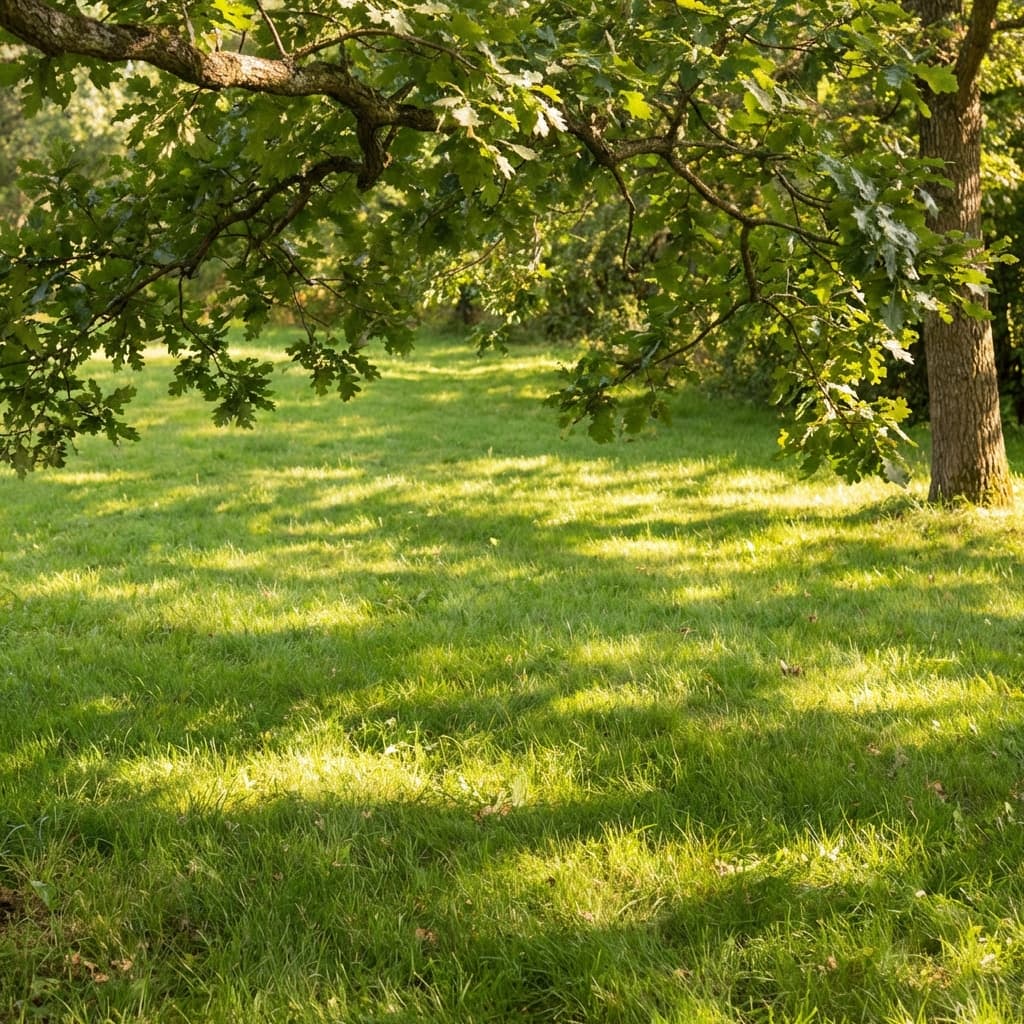
Top 5 Shade Trees for Jacksonville Yards (And How to Plant Them)
Top 5 Shade Trees for Jacksonville Yards (And How to Plant Them). Review the site, scope and current written quote before deciding.
Fruit Trees Jacksonville FL: Complete Growing Guide for Zone 9a/9b
Expert guide to growing fruit trees in Jacksonville, FL. Learn which citrus, stone fruits, figs, and tropical trees thrive in our Zone 9a/9b climate with sandy soil and humidity.
How to Plant a Tree in Jacksonville FL
Expert guide to planting trees in Jacksonville's zone 9a/9b climate. Learn proper techniques for sandy soil, watering schedules, and choosing the right trees for North Florida.
Let’s talk about your lawn
Ask our AI assistant a lawn question, or send the team a free installation estimate request.