Loading...
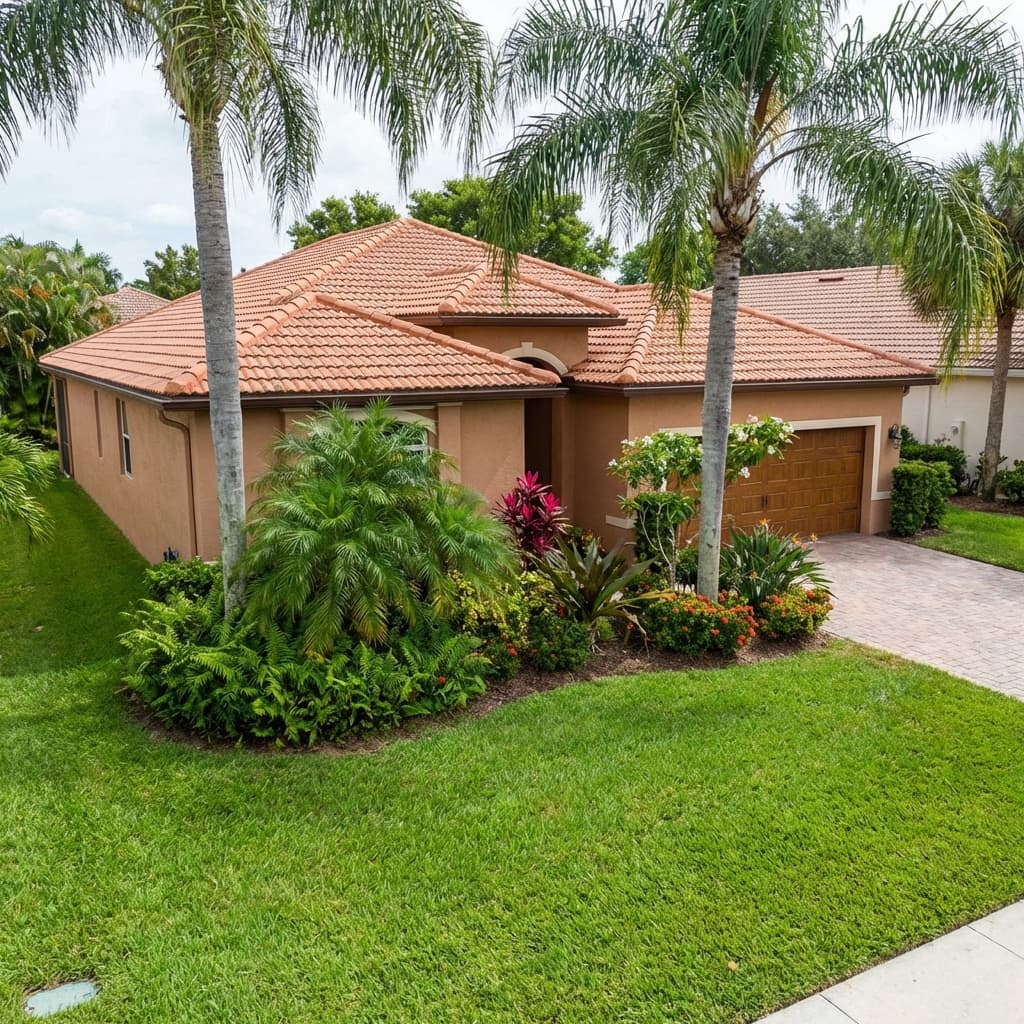
Set irrigation from site conditions and the current rules for your property and water source. For new sod, use the dated care planner; a fixed schedule in an older guide is not permission to water.
Planting a tree is one of the most rewarding landscape projects you can take on. Unlike installing sod or mulching beds, which give instant results, a tree is an investment in the future—shade for hot summer afternoons, habitat for birds, and beauty that increases property value for decades.
Tree planting in Jacksonville has to account for sandy soil, hot humid summers, and mild winters. Our sandy soil, hot humid summers, and mild winters create specific challenges, but with proper technique, your tree will thrive for generations.
Why Jacksonville's Climate Matters
We're in USDA zones 9a and 9b, which means:
- Mild winters: Rare freezes, mostly frost-free
- Long growing season: Trees grow actively from March through October
- Hot, humid summers: Temperatures regularly hit 90-95°F with high humidity
- Afternoon storms: Heavy rainfall from June through September
- Sandy soil: Fast drainage, low nutrient retention
These factors influence which trees succeed here and how you plant them.
Best Trees for Jacksonville
Choose trees suited to our climate and soil. Some thrive; others struggle.
Native and Well-Adapted Trees
Live Oak (Quercus virginiana): The iconic Jacksonville tree. Massive canopy, evergreen, incredibly long-lived. Needs space—mature spread can reach 60-80 feet. Perfect for large properties in Mandarin or Ponte Vedra Beach.
Southern Magnolia (Magnolia grandiflora): Evergreen with glossy leaves and fragrant white flowers. Grows well in partial shade. Common in historic neighborhoods like Riverside and Avondale.
Bald Cypress (Taxodium distichum): Deciduous conifer that tolerates wet areas. Excellent near ponds, retention areas, or along the St. Johns River.
Crape Myrtle (Lagerstroemia indica): Smaller tree/large shrub with spectacular summer blooms. Handles heat and drought well. Great for smaller yards or street planting.
Dahoon Holly (Ilex cassine): Native evergreen holly with red berries. Tolerates wet soil and provides food for birds.
Slash Pine (Pinus elliottii): Native pine that handles sandy soil and salt spray (useful near the beaches). Fast-growing, provides quick shade.
Trees to Avoid
Bradford Pear: Weak branching structure, prone to splitting in storms. We get tropical systems regularly—don't plant a tree that will drop limbs on your roof.
Weeping Willow: Requires consistent moisture and doesn't handle our droughts well. Roots invade sewer lines aggressively.
Silver Maple: Weak wood, surface roots that crack sidewalks, and not well-suited to our sandy soil.
Best Planting Window: Fall and Winter (October-February)
This is the ideal time. Mild temperatures and reduced heat stress allow trees to establish root systems before summer arrives. Fall-planted trees get several months to settle in before facing 95°F days and high humidity.
Winter rains (though less predictable than they used to be) provide natural irrigation, reducing watering demands.
Spring Planting (March-April)
Still a good window. Trees planted in spring have the growing season ahead to establish, but you'll need to water aggressively through the first summer.
Avoid Summer Planting (June-August)
Planting during Jacksonville's hottest, most humid months stresses trees and requires constant watering. Afternoon storms can cause newly planted trees to shift or uproot before roots establish.
Container-Grown Trees
Trees grown in plastic or fiber pots. Roots are confined to the container shape.
Pros:
- Available year-round
- Easier to handle and transport
- Less transplant shock
Cons:
- Roots may be circling (root-bound), which can cause long-term growth issues
- Limited size availability (usually smaller specimens)
Balled-and-Burlapped (B&B) Trees
Trees dug from nursery fields with root balls wrapped in burlap.
Pros:
- Larger, more mature specimens available
- Natural root structure (not circling)
- Better for instant impact
Cons:
- Heavier, harder to transport
- More transplant shock
- Seasonal availability (best in dormant season)
For Jacksonville, I prefer B&B trees planted in fall or winter. Container trees work well for spring planting or smaller specimens.
Tools and Materials
Tools:
- Shovel (round-point for digging)
- Wheelbarrow
- Rake
- Hose with gentle spray nozzle
- Measuring tape
- Utility knife (for cutting burlap or container)
- Mulch rake
Materials:
- Tree (obviously)
- Organic compost or planting mix
- Mulch (pine bark or hardwood, 2-3 cubic yards for a large tree)
- Stakes and ties (for larger trees or windy locations)
- Slow-release fertilizer (optional)
Step 1: Choose the Right Location
Consider:
Mature Size: That cute 5-foot live oak will be 60 feet tall and 80 feet wide in 40 years. Don't plant it 10 feet from your house or under power lines.
Sun Exposure: Most trees prefer full sun (6+ hours daily). Some, like magnolias or dogwoods, tolerate partial shade.
Utilities: Call 811 before digging. Avoid planting over sewer lines, septic systems, or underground cables.
Proximity to Structures: Keep trees at least 10-15 feet from foundations. Root systems spread wider than canopies and can crack foundations or lift sidewalks.
Drainage: Avoid low spots where water pools after storms. Most trees (except cypress or dahoon holly) don't like "wet feet."
Walk your property after a heavy rain and note where water collects. Don't plant there.
Step 2: Dig the Hole
Dig a hole 2-3 times wider than the root ball but no deeper than the root ball's height.
This is critical in Jacksonville's sandy soil. You want the hole wide to allow roots to spread laterally, but not deep. Planting too deep is one of the most common mistakes and can kill trees.
Width matters more than depth. In our sandy soil, roots spread outward rather than diving deep. A wide, shallow hole encourages healthy root establishment.
If you hit hardpan (a compacted layer of soil or clay) at 12-18 inches, break it up with a shovel or auger. Water needs to drain, and roots need to penetrate.
Step 3: Prepare the Tree
For Container Trees:
- Water the tree thoroughly a few hours before planting
- Gently remove the tree from the container (lay it on its side and tap/cut the container)
- Inspect roots—if they're circling, use a knife to score the root ball in 3-4 vertical cuts
- Loosen circling roots with your fingers
For B&B Trees:
- Remove any nylon or plastic strapping from the root ball
- Place tree in the hole, then cut away burlap and wire basket from the top 1/3 of the root ball
- Leave burlap on the bottom—it will decompose over time
Step 4: Position the Tree
Set the tree in the hole so the root flare (where the trunk starts to widen at the base) sits at or slightly above ground level—about 1-2 inches above surrounding soil.
In Jacksonville, err on the side of planting high rather than deep. Our sandy soil settles, and newly disturbed holes can compact over time, causing trees to sink.
Check depth by laying a shovel handle or straight board across the hole. The root flare should be visible above the board.
Step 5: Backfill the Hole
Use the soil you dug out to backfill around the root ball. There's debate about amending soil with compost, but in Jacksonville's pure sand, mixing in 10-20% compost helps with water and nutrient retention without creating drainage issues.
Never fill the hole with 100% compost or potting mix. This creates a "container effect" where roots stay in the amended soil and never spread into native soil.
Backfill in layers:
- Add 4-6 inches of soil
- Tamp gently with your foot (don't stomp hard—you want to eliminate air pockets without compacting soil)
- Water to settle the soil
- Add another layer and repeat
Step 6: Create a Water Basin
Build a 2-3 inch tall berm of soil around the outer edge of the hole, creating a basin that holds water over the root zone.
This is especially important in sandy soil where water drains away quickly. The basin directs water down to roots rather than running off.
Plan to keep the basin for the first 6-12 months until the tree is established.
Step 7: Water Thoroughly
Water immediately after planting.
Newly planted trees need 10-15 gallons at planting. This settles soil, eliminates air pockets, and ensures roots make contact with surrounding soil.
Step 8: Mulch
Apply 2-4 inches of mulch over the root zone, extending out to the drip line (edge of the canopy).
Keep mulch 3-6 inches away from the trunk. Mulch piled against bark causes rot and invites pests. Create a "mulch donut," not a "mulch volcano."
Mulch benefits:
- Conserves moisture
- Regulates soil temperature
- Suppresses weeds
- Adds organic matter as it breaks down
In Jacksonville's heat, mulch makes a huge difference in summer water retention.
Step 9: Stake (If Needed)
Most trees don't need staking. Root balls should be stable enough without it.
Stake only if:
- The tree is top-heavy or in an exposed, windy location (near the beaches)
- The root ball is small relative to the canopy
- You're planting during hurricane season
Use 2-3 stakes placed outside the root ball. Attach tree to stakes with soft, flexible ties (not wire or rope). Allow some movement—trees develop stronger trunks when they can flex slightly.
Remove stakes after 6-12 months. Leaving them longer weakens the trunk.
Step 10: Prune Minimally
Do NOT prune at planting unless there are broken or dead branches. The old practice of "pruning to compensate for root loss" is outdated.
Trees need every leaf to photosynthesize and produce energy for root growth. Leave the canopy intact.
Remove only damaged limbs, and wait until the tree is established (1-2 years) before structural pruning.
First-Year Care
The first year is critical. Newly planted trees need consistent attention.
Watering Schedule
Weeks 1-2: Keep soil consistently moist but not waterlogged.
Weeks 3-8: Water every 2-3 days, 10 gallons per session. Check soil moisture—stick your finger 2-3 inches into the soil. If it's dry, water.
Months 3-6: Adjust based on rainfall. If we're getting afternoon storms every day in summer, you may not need to water at all.
Months 6-12: Water weekly during dry periods, 15-20 gallons per session.
Jacksonville's sandy soil dries out fast, so err on the side of more water initially. As roots grow deeper, trees become more drought-tolerant.
Fertilizing
Do NOT fertilize at planting. Fertilizer can burn tender new roots.
Wait 6-8 weeks, then apply a slow-release, balanced fertilizer (like 10-10-10 or 16-4-8) around the drip line. Follow package rates—more is not better.
For the first 2-3 years, fertilize 2-3 times per growing season (spring, summer, early fall).
Mulch Maintenance
Replenish mulch as it breaks down. Maintain 2-4 inches depth year-round.
Check periodically that mulch hasn't piled up against the trunk—storms and wind can shift it.
Pest and Disease Monitoring
Inspect your tree monthly for:
- Yellowing or wilting leaves (overwatering or underwatering)
- Chewed leaves (caterpillars, beetles)
- Discolored bark (fungal issues)
- Dieback at branch tips (stress or disease)
Newly planted trees are stressed and more vulnerable to pests. Catch problems early.
Sandy Soil and Nutrient Leaching
Sand doesn't hold nutrients. Rain and irrigation wash nitrogen, potassium, and other nutrients below the root zone.
Mulch helps by adding organic matter as it decomposes. Regular fertilization (2-3 times yearly) keeps trees healthy.
Summer Heat and Humidity
June-August is brutal. Newly planted trees can wilt or suffer leaf scorch if they dry out.
Water deeply and consistently. Mulch is your best defense against moisture loss.
Hurricanes and Tropical Storms
Young trees are vulnerable to wind damage until roots establish.
Avoid planting in June-November (peak hurricane season) if possible. If a storm is forecast, consider staking temporarily for support.
Salt Spray (Coastal Areas)
If you're planting near the beaches (Atlantic Beach, Neptune Beach, Ponte Vedra), choose salt-tolerant species:
- Live oak
- Slash pine
- Dahoon holly
- Wax myrtle
Rinse foliage occasionally to remove salt buildup.
Fire Ants
Sandy soil is fire ant paradise. When digging your hole, you may hit a colony.
Treat with ant bait before planting. Fire ants can damage young trees by tunneling around roots.
Common Planting Mistakes
Planting Too Deep: The #1 killer of newly planted trees. Root flare must be visible above soil level.
Overwatering: More trees die from overwatering than underwatering. Soggy soil suffocates roots and promotes root rot.
Mulch Volcanoes: Piling mulch against the trunk invites decay and pests. Keep it away from bark.
Ignoring Mature Size: That small tree will get BIG. Plan for 20-30 years of growth, not just today's size.
Planting During Peak Summer: July and August are the hardest months for tree establishment. Wait for fall if possible.
When to Call a Professional
Tree planting is doable for most homeowners, but consider professional help if:
- You're planting large specimens (15+ feet tall or 200+ pounds)
- Your site has poor drainage or compacted soil
- You're planting multiple trees and need landscape design advice
- You have physical limitations or health concerns
- You're working near structures or utilities
Professional tree installation includes site assessment, proper planting, staking if needed, and often a warranty.
Final Thoughts
Planting a tree in Jacksonville is an act of optimism. You're investing in shade for future summers, beauty for decades, and a legacy that outlasts you.
Live oaks planted 100 years ago in Riverside and Springfield still shade those streets today. The magnolias at historic homes in San Marco were planted by people long gone, yet we enjoy them every spring.
Take your time, plant correctly, and water consistently that first year. Your tree will reward you—and everyone who comes after you—for generations.
Need Professional Sod Installation?
Jax Sod provides sod installation, sod replacement, and new lawn installation across Jacksonville and Northeast Florida. Free quotes!
Related Articles
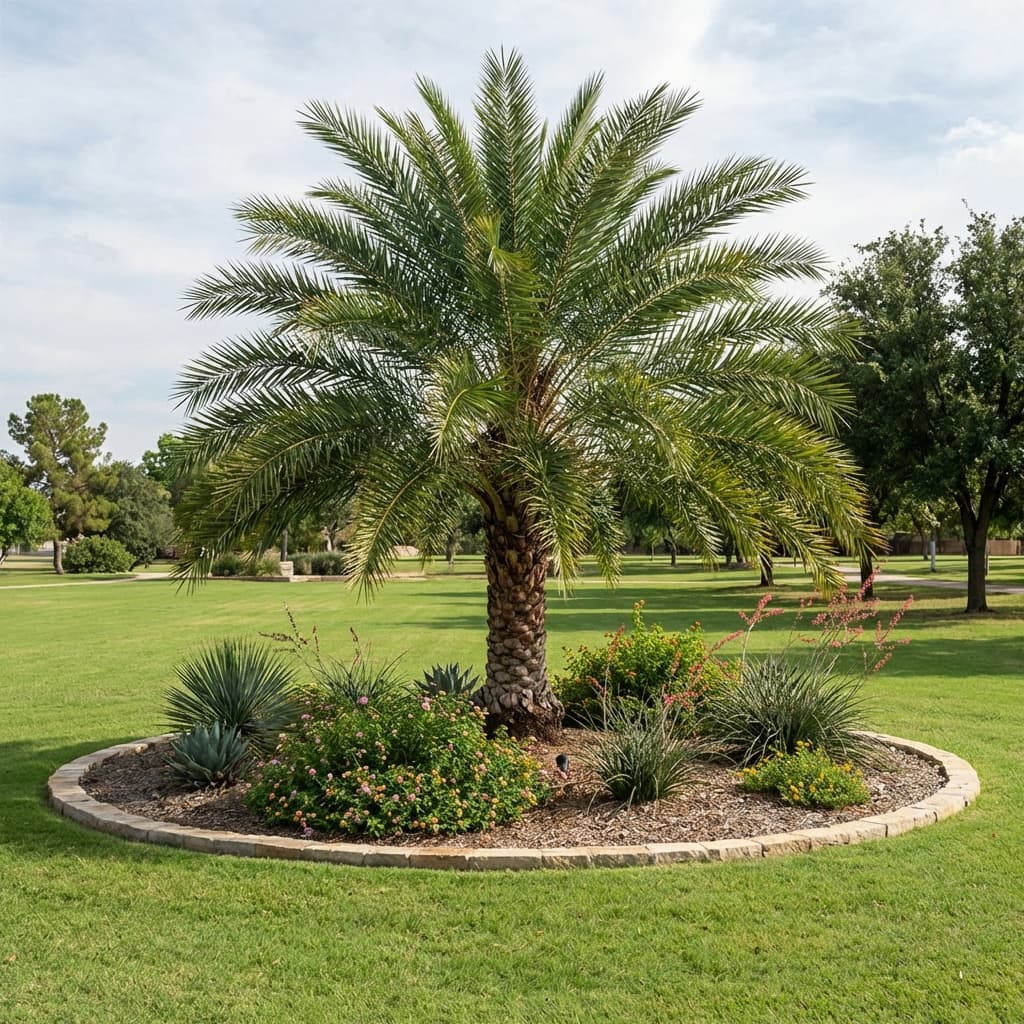
Palm Tree Guide for Jacksonville, FL Landscapes
Palm Tree Guide for Jacksonville, FL Landscapes. Review the site, scope and current written quote before deciding.
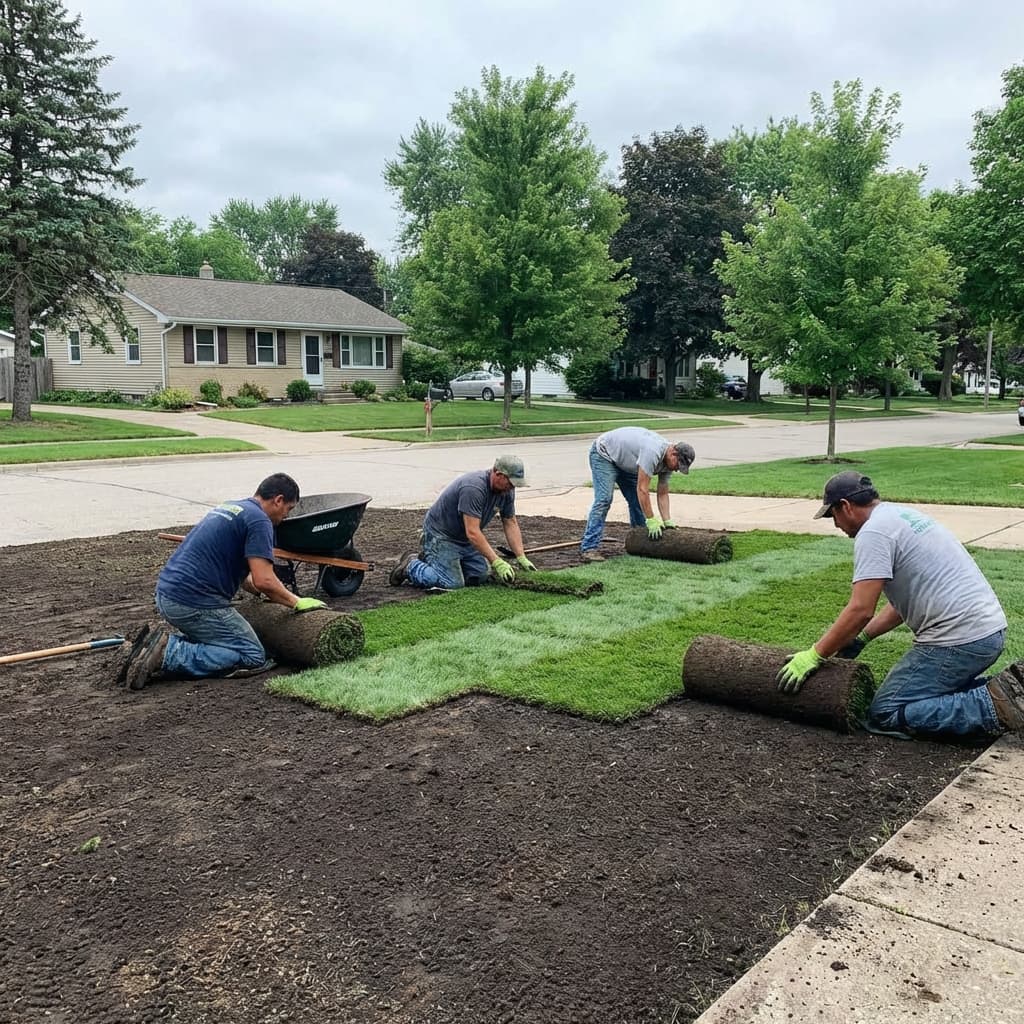
Tree Removal Cost Jacksonville FL: Pricing Factors and What to Expect
Understanding tree removal costs in Jacksonville, FL. Learn what affects pricing, when removal is necessary, and how to choose the right tree service in Northeast Florida.
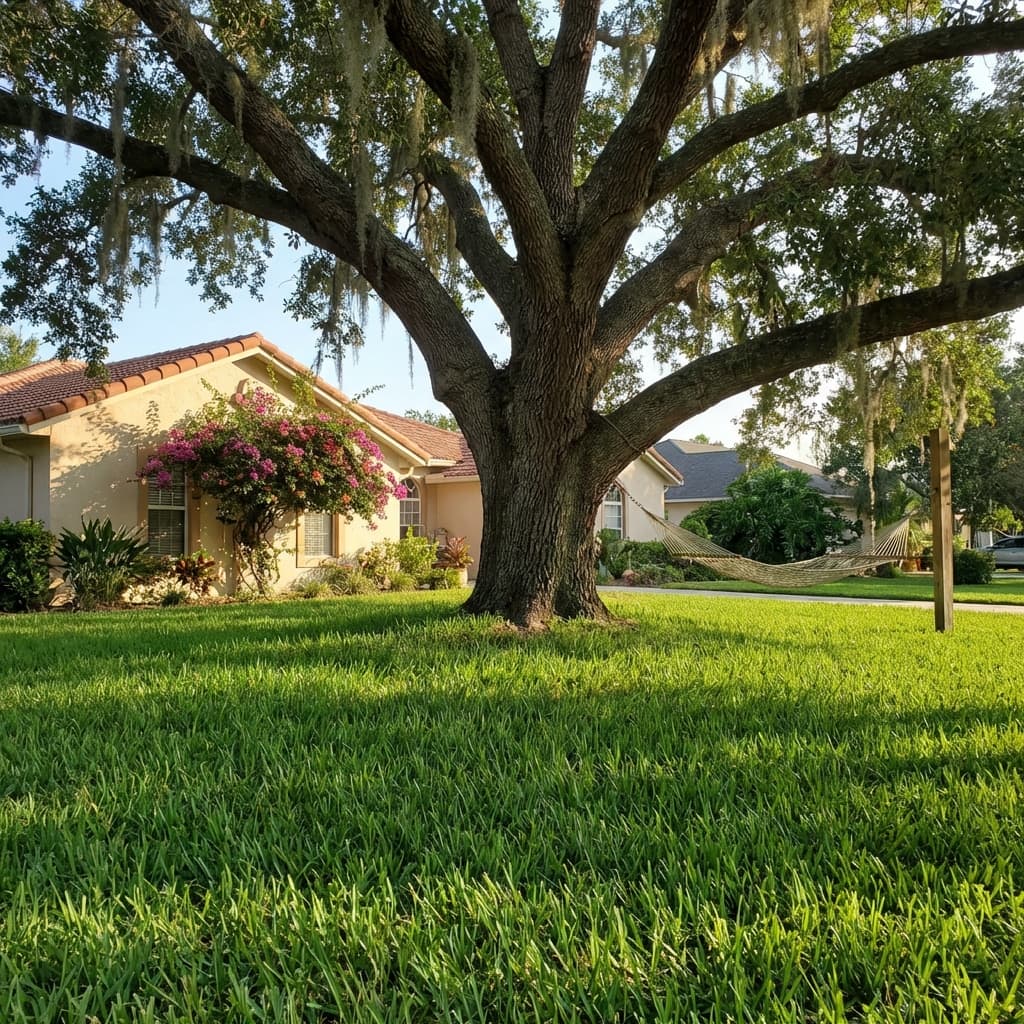
Tree Selection Guide for Jacksonville, FL — Best Shade Trees for Your Yard
Tree Selection Guide for Jacksonville, FL — Best Shade Trees for Your Yard. Review the site, scope and current written quote before deciding.
Let’s talk about your lawn
Ask our AI assistant a lawn question, or send the team a free installation estimate request.