Loading...
Back to Articles
Florida-Friendly Landscaping — Save Water and Money in Jacksonville
Irrigation & Drainage December 10, 2025 12 min read
For current costs, compare the exact product or written project scope. See what to include in a sod estimate; this guide does not establish a current price, saving or resale return.
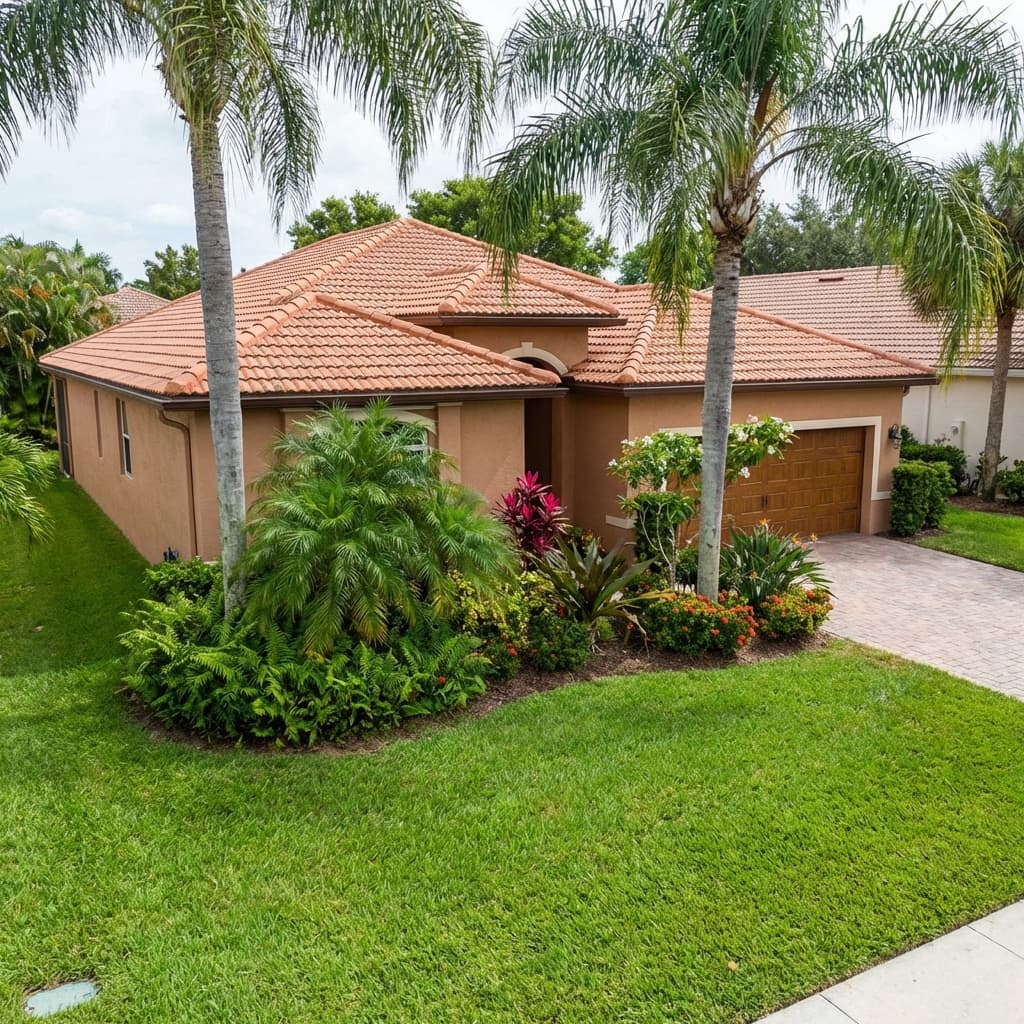
Florida-Friendly Landscaping (FFL) sounds like a marketing buzzword, but it's actually a practical framework for building landscapes that work with Jacksonville's climate instead of fighting it. The payoff is real: lower water bills, less maintenance, fewer dead plants, and a yard that looks good without constant intervention.
Jacksonville's Zone 9a/9b location gives us a huge range of plants to work with — subtropical species that can handle our summer heat and the occasional winter cold snap. The trick is choosing the right ones and putting them in the right spots.
The FFL program was developed by UF/IFAS (University of Florida's Institute of Food and Agricultural Sciences) with science-based guidelines for Florida's different climate regions. In Jacksonville, these principles are especially relevant because the St. Johns River Water Management District (SJRWMD) restricts how much we can water, and our long growing season means a bad plant choice creates a year-round maintenance headache.
The nine FFL principles
The program is built on nine principles. Here's what each one means in practice for Jacksonville homeowners:
1. Right plant, right place. Match plants to your actual site conditions — soil type, sun exposure, moisture, space. In Jacksonville, that means knowing whether you've got sandy coastal soil or heavier inland clay.
2. Water efficiently. With our wet summers, dry winters, and SJRWMD watering restrictions, you need irrigation that doesn't waste water. Good plant selection helps too — the right plants need less supplemental watering.
3. Fertilize appropriately. Our sandy soil and heavy rainfall mean nutrients wash out fast. Use the right products at the right time, and avoid runoff into the St. Johns River.
4. Mulch. It conserves moisture, moderates soil temperature, suppresses weeds, and slowly improves soil quality as it breaks down. There's no downside.
5. Attract wildlife. Beneficial wildlife (birds, pollinators, predator insects) reduces pest problems naturally. Jacksonville sits on major bird migration routes, so habitat matters here.
6. Manage pests responsibly. Use integrated pest management instead of blanket chemical treatments. Especially important in our year-round growing climate where pest pressure never really stops.
7. Recycle yard waste. Composting turns your yard debris into free soil amendments.
8. Reduce stormwater runoff. Our heavy summer rains and flat terrain make this a real issue for property protection and water quality.
9. Protect the waterfront. Jacksonville has extensive coastline and the St. Johns River system. What you put on your landscape affects water quality downstream.
Climate zones in Jacksonville
Jacksonville straddles Zones 9a (lows of 20-25°F) and 9b (lows of 25-30°F). Which zone you're in determines what'll survive winter.
Zone 9a covers the northern and western parts of Duval County — cold enough to occasionally kill borderline tropical plants. Zone 9b, closer to the coast and downtown, rarely drops below 25°F and supports a wider range of tropical and subtropical species.
Here's the interesting part: the transition between zones can happen within a single property. Low-lying spots and areas away from buildings run colder than elevated or sheltered locations. That means you can often grow a wider range of plants than your "official" zone suggests, as long as you put them in the right microclimate.
Trees for Structure and Habitat
Large trees anchor the landscape — they provide shade (which lowers your cooling bill), wildlife habitat, and property value that grows over time.
Large Canopy Trees:
Southern Live Oak (Quercus virginiana) The quintessential Northeast Florida tree. Southern Live Oaks are durable, salt-tolerant, and provide heavy shade. They can live for centuries and add real property value with minimal care once established. They also hold up in storms better than almost any other tree — the strong, flexible wood and deep root system keep them standing when other trees come down.
Bald Cypress (Taxodium distichum) Great for wet areas and tolerant of Jacksonville's variable moisture. The buttressed trunk and feathery foliage give it a distinctive look. Virtually maintenance-free and good wildlife habitat.
Laurel Oak (Quercus laurifolia) Fast-growing and adaptable, Laurel Oaks fill in quickly and provide good shade. They're shorter-lived than Live Oaks, but if you want shade sooner rather than later, they deliver.
Medium Trees:
Red Maple (Acer rubrum) Native Red Maples provide real fall color — one of the few trees that actually turns in Jacksonville's mild autumn. They handle a wide range of soil conditions, including the clay soils where drainage can be a problem.
Sweetgum (Liquidambar styraciflua) Another native with good fall color and an interesting form. Sweetgums need minimal care once established, and their star-shaped leaves add nice texture contrast in mixed plantings. (Fair warning: the spiky seed balls can be annoying to walk on.)
Southern Magnolia (Magnolia grandiflora) While requiring more space, Southern Magnolias provide year-round evergreen beauty with spectacular summer blooms. Newer compact varieties are suitable for smaller properties while maintaining the classic magnolia appeal.
Palms for Tropical Appeal
Palms give your yard a tropical feel without the high water and fertilizer demands of most landscape trees.
Cold-Hardy Palms for Zone 9a/9b:
Sabal Palmetto (State Tree of Florida) Extremely durable and salt-tolerant. Handles Jacksonville's cold snaps and coastal conditions without issue. Virtually maintenance-free once established and provides good wildlife habitat.
Needle Palm (Rhapidophyllum hystrix) The most cold-hardy palm native to Florida, Needle Palms can handle Zone 9a conditions with ease. Their unique clustering growth pattern and unusual spines create distinctive landscape accents.
Saw Palmetto (Serenoa repens) Works well in naturalistic plantings and coastal areas. Virtually no maintenance and solid wildlife habitat. The low, spreading growth habit makes them good understory plants or natural barriers.
Shrubs for Structure and Color
Good shrubs give your landscape year-round structure plus seasonal interest from blooms, berries, or foliage changes.
Large Shrubs/Small Trees:
Firebush (Hamelia patens) Blooms continuously from spring through fall, attracts butterflies and hummingbirds, and needs minimal care. It handles Jacksonville's heat and humidity without complaints — one of the best color-producers you can plant here.
Beautyberry (Callicarpa americana) Those electric-purple berries in fall are hard to miss. Needs almost no maintenance. Birds love the berries, and the informal growth habit fits right into naturalistic landscapes.
Marlberry (Ardisia escallonoides) A solid native alternative to invasive exotic shrubs. Year-round greenery with berries that birds eat. It does well in shaded areas where most flowering shrubs won't perform.
Medium Shrubs:
Coontie (Zamia integrifolia) Virtually indestructible once established. The architectural form looks great in any setting, and it's the only host plant for the endangered Atala butterfly — so you're doing some conservation work just by planting it.
Wild Coffee (Psychotria nervosa) Does well in shade and produces berries that birds go after. The glossy foliage adds nice texture contrast when mixed with other plants.
Simpson's Stopper (Myrcianthes fragrans) Fragrant flowers followed by orange berries give you year-round interest. It holds a nice shape on its own without constant pruning.
Groundcovers and Perennials
Low-growing plants fill space with color and texture while using less water and maintenance than lawn grass.
Native Groundcovers:
Beach Sunflower (Helianthus debilis) Perfect for sunny areas with poor soil. Almost continuous yellow blooms with virtually no care required. Handles salt spray well, making it a natural fit for coastal properties.
Sunshine Mimosa (Mimosa strigillosa) A low-growing native legume that fixes nitrogen in the soil — so it actually improves the ground it grows in. Pink powder-puff flowers attract butterflies. Drought-tolerant once established and tougher underfoot than most groundcover alternatives.
Wild Ginger (Asarum canadense) Good for deep shade where grass won't grow. The heart-shaped foliage spreads to create a solid groundcover.
Colorful Perennials:
Blackfoot Daisy (Melampodium leucanthum) Blooms nonstop in sunny spots. Needs minimal water once established and actually prefers poor, sandy soil — which we have plenty of in Jacksonville.
Blue Flag Iris (Iris virginica) Native to wet areas with spectacular spring blooms. Thrives in spots that are too wet for other plants, making it a natural choice for rain gardens and drainage areas.
Coral Honeysuckle (Lonicera sempervirens) Nearly continuous red blooms that hummingbirds love, with minimal care needed. Unlike the invasive exotic honeysuckles, this native version stays where you put it.
Water-Wise Design Strategies
Xeriscaping doesn't mean rocks and cacti. In Jacksonville, it means designing around natural rainfall patterns so you need less supplemental watering — while still having a yard that looks good.
Hydrozoning: Group plants with similar water requirements together to maximize irrigation efficiency. Place highest water-need plants near the house or entertainment areas where they'll receive the most attention, and use drought-tolerant plants in outlying areas.
Microclimate Management: Take advantage of natural site conditions to reduce plant stress. Use shaded north sides of buildings for plants that prefer cooler conditions, and place sun-lovers in areas that receive morning sun but some afternoon protection during Jacksonville's intense summer heat.
Topographic Considerations: Use natural or created slopes to direct water toward plant areas that need it most. In flat areas typical of much of Jacksonville, create subtle berms and swales to improve drainage and water distribution.
Soil Improvement for Water Retention
Jacksonville's diverse soil conditions require different approaches to water management, but all benefit from organic matter addition and proper drainage.
Sandy Soil Enhancement: Add compost, aged manure, or other organic materials to improve water and nutrient retention. Mulching is particularly important in sandy soils to prevent rapid moisture loss and temperature fluctuations.
Clay Soil Management: Improve drainage while maintaining moisture-holding capacity by adding coarse organic matter and ensuring proper grading. Avoid working clay soils when wet to prevent compaction that can worsen drainage problems.
Universal Improvements: Regular organic matter additions improve any soil type while supporting beneficial soil organisms that help plants access water and nutrients more efficiently. Compost, leaf mold, and other organic amendments should be added annually for optimal results.
Plant Selection for Water Efficiency
Choose plants based on their mature water requirements rather than establishment needs. Many plants that require regular watering during establishment become quite drought-tolerant once their root systems develop.
Drought-Tolerant Categories:
Succulent and Semi-Succulent Plants: Agaves, yuccas, and prickly pear cacti can handle Jacksonville's occasional dry periods while providing unique architectural form. Choose cold-hardy varieties that can handle Zone 9a/9b conditions.
Deep-Rooted Natives: Plants like Wild Bergamot, Blanket Flower, and Purple Coneflower develop extensive root systems that access deep soil moisture during dry periods.
Adapted Exotics: Non-native plants from similar climates, such as Mediterranean herbs like rosemary and lavender, can provide diversity while maintaining low water requirements.
Strategic Lawn Reduction
While well-maintained turf serves important functional purposes, reducing lawn area in non-functional locations can significantly decrease maintenance requirements and water usage.
Alternative Groundcover Options:
Mulched Areas: Pine straw, hardwood mulch, or decorative stone can replace lawn in areas that don't receive foot traffic. These materials require minimal maintenance while providing attractive, uniform coverage.
Planted Groundcovers: Native groundcovers can replace lawn in areas with challenging growing conditions, such as deep shade or slopes where mowing is difficult.
Hardscaping: Patios, walkways, and other hardscaped areas eliminate maintenance requirements while adding functional outdoor space.
Functional Lawn Areas: Maintain turf only in areas where it serves specific purposes: play areas for children and pets, entertainment spaces, and areas where the aesthetic of maintained lawn is specifically desired.
Transition Strategies
Gradual Reduction: Replace lawn areas gradually over several seasons to spread costs and allow time to determine which alternatives work best in specific locations.
Border Expansion: Slowly expand existing planting beds into lawn areas, creating more space for low-maintenance plantings while maintaining attractive proportions.
Functional Analysis: Evaluate how each area of lawn is actually used before deciding on replacement strategies. High-traffic areas may benefit from hardscaping, while low-use areas might be candidates for naturalization.
Upfront cost vs. long-term savings
Native and adapted plants sometimes cost more upfront than common nursery stock, but they save money over time in three ways:
Less ongoing input. Less fertilizer, fewer pesticide applications, less supplemental watering. Those savings add up within a couple of growing seasons.
Fewer replacements. Plants that belong here have lower mortality rates and longer lifespans. You're not replacing dead plants every year.
Less maintenance labor. Less pruning, less deadheading, less fussing — whether you do the work yourself or pay someone.
Energy Savings Through Strategic Planting
Proper plant placement can significantly reduce home energy costs, providing additional financial benefits beyond direct landscape savings.
Shade Trees: Deciduous trees planted on the south and west sides of homes provide summer cooling while allowing winter sun penetration after leaves fall. This strategic placement can lead to meaningful energy savings for typical Jacksonville homes.
Wind Breaks: Evergreen plantings can reduce winter heating costs by blocking cold north winds, though this is less critical in Jacksonville's mild winter climate.
Foundation Plantings: Appropriate plants around building foundations provide insulation effects while creating attractive transitions between structures and landscapes.
Water Bill Reduction
Irrigation Efficiency: Smart plant selection reduces the need for supplemental irrigation during most of the year, significantly lowering water bills during dry periods.
Rainwater Harvesting: Incorporating rain gardens and bioswales into landscape design captures and utilizes natural rainfall more effectively, reducing the need for supplemental irrigation.
Timing and Efficiency: Native plants adapted to natural rainfall patterns often require supplemental water only during establishment and extreme drought conditions.
Phase-Based Installation
Year One - Foundation Elements: Start with major structural elements like shade trees and large shrubs. These elements have the greatest long-term impact and require time to establish before providing full benefits.
Year Two - Mass Plantings: Add groundcovers and perennial plants that fill in larger areas and provide immediate visual impact while establishing the overall garden structure.
Year Three - Refinement: Fine-tune plant combinations, add accent plants, and make adjustments based on how initial plantings have performed.
Working with Existing Landscapes
Assessment and Integration: Evaluate existing plants for their suitability and efficiency before removing them. Many traditional landscape plants can be integrated into Florida-Friendly designs with appropriate companion plantings.
Gradual Transition: Replace plants as they decline naturally rather than removing healthy existing plantings. This approach reduces initial costs while allowing for thoughtful replacement decisions.
Professional Consultation: Consider working with landscape professionals who specialize in Florida-Friendly Landscaping for complex installations or when significant changes are planned.
Seasonal Implementation Timing
Fall Installation (October-December): Ideal for most woody plants, allowing root establishment during cooler weather before the stress of first summer.
Spring Installation (March-May): Good for perennials and groundcovers that will benefit from a full growing season of establishment.
Summer Installation (June-September): Generally avoid major installations during this period due to heat stress and establishment challenges, though container-grown plants can be installed with appropriate care.
Designing for Low Maintenance
Plant Maturity Planning: Choose plants based on their mature size rather than current nursery size to avoid overcrowding that leads to increased pruning and maintenance needs.
Natural Growth Habits: Select plants with natural forms that require minimal pruning and shaping to maintain attractive appearance.
Self-Sustaining Combinations: Use plant communities that support each other through complementary root zones, canopy layers, and beneficial relationships.
Seasonal Maintenance Efficiency
Spring Tasks: Focus on mulch renewal, fertilization where needed, and any necessary pruning before active growth begins.
Summer Management: Minimize maintenance during peak heat, focusing only on essential tasks like watering new plantings and monitoring for pest problems.
Fall Preparation: Prepare landscapes for winter with appropriate mulching and cleanup, taking advantage of comfortable working conditions.
Winter Activities: Use the cooler period for major maintenance tasks, planning, and installation of new plants.
Native Plant Communities
Establishing plant communities that mirror natural Northeast Florida ecosystems creates self-maintaining landscapes while providing valuable wildlife habitat.
Woodland Edge Community: Combine canopy trees like Live Oak with understory trees like Red Maple, shrubs like Beautyberry, and groundcovers like Wild Ginger to create diverse habitat layers.
Coastal Community: Use salt-tolerant plants like Sabal Palmetto, Sea Oats, and Beach Sunflower to create landscapes that thrive in coastal conditions while supporting shore birds and other coastal wildlife.
Wetland Edge Community: Incorporate plants like Bald Cypress, Blue Flag Iris, and Cardinal Flower in areas with seasonal moisture variation to create habitat for amphibians and water birds.
Wildlife Features
Water Sources: Provide clean water through bird baths, small ponds, or rain gardens that collect and hold water during dry periods.
Nesting Sites: Include plants with dense branching patterns and appropriate heights for different bird species' nesting preferences.
Food Sources: Choose plants that provide nectar, berries, seeds, and insects throughout different seasons to support diverse wildlife populations year-round.
Getting started
The biggest takeaway from Florida-Friendly Landscaping is simple: work with what Jacksonville gives you instead of against it. Pick plants adapted to our climate and soil, water smarter, and you'll end up with a landscape that looks better and costs less to maintain every single year.
You don't have to overhaul everything at once. Start with one area — maybe replace a struggling planting bed with natives, or swap out a section of lawn that never does well for groundcover or mulch. Each small project teaches you something for the next one.
If you're planning landscape work that includes new lawn areas, Jax Sod can help you pick grass varieties that fit a Florida-Friendly approach. We know how different turf types work alongside native plantings and can help you build something that makes sense for your yard, your budget, and Northeast Florida's climate.
Need Professional Sod Installation?
Jax Sod provides sod installation, sod replacement, and new lawn installation across Jacksonville and Northeast Florida. Free quotes!
Related Articles
Xeriscaping in Jacksonville: Water-Wise Landscaping
Xeriscaping in Jacksonville: Water-Wise Landscaping. Review the site, scope and current written quote before deciding.
Best Time to Water Your Lawn in Jacksonville
Best Time to Water Your Lawn in Jacksonville. Review the site, scope and current written quote before deciding.
Drainage Solutions for Jacksonville Yards: Fix Standing Water Problems
Discover proven drainage solutions for Jacksonville yards plagued by standing water. Learn about French drains, dry wells, grading, rain gardens, and more from local landscaping experts.
Let’s talk about your lawn
Ask our AI assistant a lawn question, or send the team a free installation estimate request.