Loading...
Back to Articles
Eco-Friendly Lawn Care Practices for Jacksonville
Lawn Care January 27, 2026 18 min read
For current costs, compare the exact product or written project scope. See what to include in a sod estimate; this guide does not establish a current price, saving or resale return.
Jacksonville's unique position at the confluence of the St. Johns River and Atlantic Ocean makes environmental stewardship in lawn care more than just good intentions—it's a practical necessity. Every drop of fertilizer-laden runoff from yards across Duval, Clay, and St. Johns Counties eventually finds its way to our waterways, affecting water quality, fish populations, and the overall health of ecosystems that define Northeast Florida. At Jax Sod, we've spent years helping homeowners create beautiful lawns, and increasingly, those homeowners want beauty that doesn't come at environmental expense.
Eco-friendly lawn care isn't about accepting a scraggly, neglected yard in the name of environmentalism. It's about working with natural systems instead of against them—choosing grass types suited to Jacksonville's climate so they require less intervention, building healthy soil that needs less fertilizer, managing irrigation efficiently to reduce water waste, and creating habitats that support beneficial insects and birds. These practices often deliver better long-term results than conventional high-input approaches while reducing environmental impact and frequently lowering costs.
The environmental case for eco-friendly lawn practices in Jacksonville is straightforward. Our St. Johns River already struggles with nutrient loading that creates algae blooms and low-oxygen zones harmful to fish. Stormwater runoff from urban and suburban areas—including residential lawns—contributes significantly to this nutrient pollution. Gas-powered lawn equipment contributes air pollution equivalent to driving cars hundreds of miles. Water consumption for landscape irrigation during summer droughts stresses aquifer resources that supply drinking water. Small changes in how 400,000+ Jacksonville households manage lawns add up to measurable regional environmental benefits.
Environmental Stewardship in Jacksonville Lawn Care
The St. Johns River flows north for 310 miles, draining a watershed that includes most of Jacksonville metro. Unlike fast-flowing rivers that flush pollution quickly downstream, the St. Johns moves slowly—averaging just 0.3 mph in many sections. This sluggish flow means pollutants entering the river stay there, accumulating over time. Excess nitrogen and phosphorus from lawn fertilizers fuel algae blooms that block sunlight, deplete oxygen, and create dead zones where fish can't survive. What happens on Jacksonville lawns matters to river health.
The Atlantic Ocean and our coastal waterways face similar pressures. Jacksonville Beach, Atlantic Beach, and Neptune Beach neighborhoods drain to the Intracoastal Waterway and ocean. Fertilizer runoff contributes to nutrient loading in coastal estuaries where it disrupts the balance of marine ecosystems. These waters support commercial and recreational fishing, tourism, and marine life including sea turtles, manatees, and dolphins. Eco-friendly lawn practices protect not just abstract environmental quality but the specific waterways and wildlife that make Northeast Florida special.
Groundwater protection matters equally in Jacksonville. Much of our drinking water comes from the Floridan Aquifer, a groundwater system beneath Northeast Florida. Sandy soil that drains rapidly means chemicals applied to lawns can percolate down to groundwater relatively quickly. Nitrate contamination from lawn fertilizers has been detected in groundwater monitoring across Florida. Reducing unnecessary chemical inputs to lawns protects the aquifer that supplies water to 1.5 million people in the Jacksonville metro area.
Air quality impacts from lawn care equipment are surprisingly significant. A gas-powered lawn mower running for one hour produces air pollution equivalent to driving a car 100-300 miles, depending on mower age and condition. Leaf blowers, string trimmers, and other two-stroke engines are even worse polluters per hour of operation. For a city like Jacksonville with hundreds of thousands of suburban lawns, the cumulative air pollution from lawn equipment during peak season rivals vehicle emissions in some neighborhoods. Electric equipment eliminates these emissions entirely.
Reducing Chemical Inputs
Organic fertilizers provide the first step toward reducing chemical inputs while maintaining healthy Jacksonville lawns. Products like Milorganite, Espoma, and composted manure release nutrients slowly as microorganisms break them down, matching the way grass actually uses nitrogen. Unlike synthetic fertilizers that dump nutrients all at once (with much of it leaching through sandy soil unused), organic fertilizers feed grass steadily over 8-12 weeks. Apply Milorganite at 32 pounds per 1,000 square feet every 8-10 weeks during growing season for comparable results to synthetic programs.
The IPM (Integrated Pest Management) approach treats pests and weeds only when damage reaches threshold levels rather than applying preventive chemicals on rigid schedules. For Jacksonville lawns, this means tolerating a few weeds instead of pursuing 100% weed-free perfection that requires multiple herbicide applications. Monitor for pest damage, identify problems correctly, and treat only when populations exceed acceptable levels. Most lawns can tolerate 5-10% weed coverage without significant appearance impact, and this tolerance eliminates 50-75% of herbicide applications in typical programs.
Proper cultural practices reduce disease and pest pressure, decreasing the need for chemical intervention. Mow at the correct height for your grass type—3.5-4 inches for St. Augustine, 2-2.5 inches for Zoysia, 1.5-2 inches for Bermuda. Proper height creates denser turf that crowds out weeds naturally and develops deeper roots for better stress tolerance. Water deeply and infrequently rather than shallow and frequent—this encourages deep rooting and reduces fungal disease pressure. Core aerate compacted areas to improve drainage and root penetration. These practices create healthier grass that naturally resists pests and diseases.
Spot-treating problems instead of blanket applications dramatically reduces total chemical use. If dollarweed appears in a 200 square foot area of your 5,000 square foot lawn, treat just that area with selective herbicide rather than spraying the entire yard. Use a pump sprayer for precision application on the 4% of lawn area that actually has weeds. This targeted approach uses 95% less chemical while controlling the problem just as effectively. The same principle applies to pest control—if chinch bugs damage a sunny section near the driveway, treat that zone specifically rather than broadcasting insecticide across areas with no bug pressure.
Water Conservation
Smart irrigation controllers reduce water waste by adjusting schedules based on weather conditions, soil moisture, and plant needs rather than running on fixed timers regardless of conditions.
Rain barrels capture roof runoff for landscape irrigation, reducing demand on municipal water supplies or wells. A typical Jacksonville home with 2,000 square feet of roof area can collect roughly 1,200 gallons from each inch of rainfall. During our 52-inch annual rainfall, that's potentially 62,000 gallons available for capture. Realistically, you'll capture a fraction of that since barrels fill quickly and must be used before the next rain, but even capturing 10-15% provides thousands of gallons for landscape watering.
The challenge with rain barrels in Jacksonville is our rainfall pattern—we get 60% of annual rain during June-September, the same period when irrigation demand peaks. Barrels fill frequently during summer but often stay empty during drier spring and fall months when you'd most value the stored water. Use rain barrels primarily for watering landscape beds, container plants, and small garden areas rather than trying to irrigate entire lawns. A 75-gallon barrel might water 500 square feet of landscape beds, stretching municipal water further and reducing total consumption.
Drought-tolerant grass selection is the single most effective water conservation strategy for Jacksonville lawns. Bermuda grass varieties like TifTuf can survive extended drought periods that would kill St. Augustine. Zoysia grass uses 30-40% less water than St. Augustine while maintaining similar appearance. Bahia grass requires minimal irrigation once established, though it has coarser texture than premium grasses. If water conservation is a priority and you're installing new sod, choosing drought-tolerant grass types reduces irrigation needs for the lawn's entire lifetime—potentially saving millions of gallons over 15-20 years.
Reducing total turf area in favor of native plantings, mulched beds, or hardscaping cuts irrigation demand proportionally. If you convert a 1,000 square foot side yard from St. Augustine turf to native plants that require no supplemental irrigation once established, you eliminate roughly 30,000 gallons of annual irrigation for that area. Native Florida plants like coontie, beautyberry, muhly grass, and saw palmetto thrive on natural rainfall in Jacksonville, creating attractive landscaping with zero irrigation requirements after the first year establishment period.
Electric vs Gas Equipment
Battery-powered electric lawn mowers have advanced dramatically in the past 5-7 years, with current models matching or exceeding gas mower performance for most Jacksonville residential lawns. Brands like Ego, Greenworks, Ryobi, and Milwaukee offer 21-inch self-propelled mowers with 60-90 minute runtimes—enough to mow 8,000-12,000 square feet on a single charge.
The environmental benefits are significant. Zero direct emissions means no exhaust fumes from the mower itself. Electricity generation does create emissions, but even accounting for power plant emissions, electric mowers produce roughly 80% less total pollution than gas mowers over their lifetime. If Jacksonville's 300,000+ households with lawns switched to electric mowers, the regional air quality improvement would be measurable—equivalent to removing tens of thousands of cars from roads during summer months.
Battery-powered string trimmers, leaf blowers, and hedge trimmers have followed similar quality improvements. Professional-grade cordless tools from Stihl, Echo, and Husqvarna now perform comparably to gas equivalents for residential use. The 40-80 volt battery platforms offer enough power and runtime for typical Jacksonville yard maintenance. A homeowner can build a complete electric lawn care toolkit—mower, trimmer, blower, hedge trimmer—all using the same battery platform, eliminating gas cans entirely.
The limitation is larger properties. If you're maintaining 1+ acres of turf, current electric mowers may require multiple battery swaps or extended charging breaks. For these situations, consider electric mowers for main lawn areas (which work well) and retain gas equipment for extended rough mowing or field cutting where runtime exceeds battery capacity. Even partial conversion to electric equipment reduces emissions significantly.
Mulching Mowers
Mulching mowers cut grass clippings into fine pieces and disperse them back into the lawn rather than bagging and removing them. The clippings decompose quickly—usually within 3-5 days in Jacksonville's warm conditions—releasing nutrients back to the soil. Grass clippings are roughly 4% nitrogen by weight, so leaving clippings provides free fertilizer equivalent to 1-2 applications per year.
The key to successful mulching in Jacksonville is mowing frequently enough that you're removing no more than one-third of grass height at each mowing. During peak growing season (May-August for most warm-season grasses), this typically means mowing weekly. If grass gets too long and you remove more than one-third, the heavy clipping load creates clumps that smother grass beneath instead of dispersing evenly. Frequent mowing keeps clippings fine and light enough to fall into the turf canopy and decompose invisibly.
Jacksonville's high rainfall and humidity make mulching particularly effective. Clippings decompose faster in warm, humid conditions compared to dry climates where clippings might persist for weeks. The rapid breakdown releases nutrients quickly when grass is actively growing and can use them. Microorganisms that decompose clippings also consume thatch, reducing thatch buildup that can become problematic on overfertilized lawns.
The one caveat is disease pressure. During periods when fungal diseases like brown patch or gray leaf spot are active (typically late spring and fall for St. Augustine lawns), bagging clippings instead of mulching can reduce disease spread. Fungal spores attach to clippings, and mulching redistributes those spores across the entire lawn. If you're actively treating a disease outbreak, bag clippings until the disease is controlled, then resume mulching. For lawns without active disease, mulching is beneficial year-round.
Composting Yard Waste
Duval County offers curbside yard waste collection that recycles grass clippings, leaves, branches, and other landscape debris into compost and mulch. Residents place yard waste in paper bags or separate containers, and the county collects it along with regular trash service. This material goes to the Jacksonville Wood Recycling facility where it's ground and composted rather than sent to landfills. The resulting compost and mulch are sold back to residents at low cost, creating a closed loop.
Home composting gives you more direct control over the process and creates finished compost you can use immediately. A basic compost bin or pile in the corner of your Jacksonville yard can handle grass clippings, leaves, small branches, garden waste, and kitchen scraps. Mix "green" materials (grass, fresh plant waste, kitchen scraps) with "brown" materials (dry leaves, small twigs, paper) in roughly equal proportions. Keep the pile moist but not saturated, turn it every 2-3 weeks, and you'll have finished compost in 2-4 months.
The compost you create is valuable soil amendment for Jacksonville's sandy soil. Use it as topdressing on lawns, incorporate it into landscape beds, mix it into vegetable garden soil, or use it as potting mix component for containers. A household composting grass clippings and leaves can produce 3-6 cubic yards of finished compost annually—enough to topdress 1,500-3,000 square feet of lawn.
Composting also diverts waste from landfills. Yard waste makes up roughly 15-20% of residential solid waste in Jacksonville. When yard waste goes to landfills, it decomposes anaerobically (without oxygen), producing methane, a potent greenhouse gas. Composting is aerobic decomposition that produces CO2 instead of methane, significantly reducing greenhouse gas impact. On a regional scale, high participation in yard waste composting creates measurable climate and waste reduction benefits.
Right-Size Your Lawn
Many Jacksonville properties have more turf than actually serves functional purposes. Front yards are often entirely grass purely for aesthetic conformity, despite nobody using them for recreation. Side yards grow grass in narrow strips difficult to maintain and never used. Steep slopes require dangerous mowing without providing usable space. Evaluating which lawn areas actually serve purposes—play space, aesthetics, traffic pathways—and which are just grass because that's what everyone does allows for strategic reduction.
Replacing little-used turf with native Florida plantings creates environmental benefits while reducing maintenance. A front yard landscape with native shrubs, groundcovers, and perennials provides color, attracts pollinators and birds, requires no irrigation once established, and needs minimal maintenance beyond occasional pruning. Native options for Jacksonville include beautyberry, coontie, coral honeysuckle, blanket flower, sunshine mimosa, and muhly grass. These plants evolved in our climate and thrive without the intensive inputs turf requires.
Mulched beds reduce maintenance compared to turf while adding visual interest. Converting a side yard from grass to mulched beds with a few shade-tolerant plants eliminates weekly mowing, frequent irrigation, and fertilizer applications. Compare this to the weekly mowing time, quarterly fertilizer costs, and irrigation water for maintaining the same area as turf.
Hardscaping with pavers, gravel paths, or decomposed granite provides functional space without living plants that need maintenance. A pea gravel seating area, flagstone pathway, or paver patio serves clear purposes while requiring zero irrigation, fertilization, or mowing. Initial installation costs are higher than sod, but long-term maintenance costs are lower. For Jacksonville properties where lawn space exceeds actual needs, thoughtful hardscaping creates useful outdoor living areas while reducing total property maintenance burden.
The key is maintaining enough high-quality turf for its intended purposes while eliminating turf that's just there out of habit. A backyard lawn for kids and dogs to play is worth maintaining. The front lawn that creates curb appeal serves a purpose. The 10-foot-wide strip of grass between the fence and the house that nobody ever sees and is difficult to mow? That's a conversion candidate for native plantings or mulched bed that reduces total property environmental impact.
Florida-Friendly Landscaping Program
The University of Florida's Florida-Friendly Landscaping (FFL) program provides nine principles for sustainable landscapes appropriate to Florida conditions. These science-based guidelines help Jacksonville homeowners create attractive landscapes that work with local climate and ecology rather than fighting them.
The nine FFL principles are: right plant right place (choose plants suited to local conditions), water efficiently (irrigate only when needed at appropriate rates), fertilize appropriately (soil test first, apply correct amounts at correct times), mulch (maintain 2-3 inch mulch layer in beds), attract wildlife (provide food, water, shelter for beneficial species), manage yard pests responsibly (IPM approach), recycle yard waste (compost or use county recycling), reduce stormwater runoff (use rain gardens, permeable surfaces), and protect the waterfront (maintain natural buffers near water).
Jacksonville homeowners can get FFL certified through a free yard evaluation from UF/IFAS Extension Master Gardener volunteers. The certification recognizes properties implementing FFL principles and provides a sign for display. More importantly, the evaluation process offers specific recommendations for improving your property's environmental performance based on actual site conditions. The Master Gardeners identify opportunities you may not have recognized and suggest specific plants, practices, or modifications suited to Northeast Florida.
Many Jacksonville neighborhoods have homes displaying FFL certification signs—San Marco, Riverside, and Avondale have particularly high participation. The program has certified thousands of properties across Northeast Florida, demonstrating that sustainable landscaping can deliver aesthetic quality matching or exceeding conventional high-input approaches. Communities with high FFL participation show measurably better water quality in nearby waterways, validating the environmental benefits of widespread adoption.
Reducing Fertilizer Runoff
Slow-release fertilizer formulations release nutrients gradually over 8-12 weeks rather than all at once. This extended release matches the way grass actually uses nitrogen—steady small amounts rather than large surges—and dramatically reduces the leaching that occurs when fast-release fertilizer dissolves in irrigation water and washes through sandy soil.
Application timing affects runoff risk significantly. Never fertilize right before heavy rain—it guarantees most of the fertilizer washes away before grass can use it. Check weather forecasts and avoid fertilization if more than 0.5 inches of rain is forecast within 24-48 hours. The ideal timing is 2-3 days before light-to-moderate rain, giving fertilizer time to dissolve and begin absorbing into grass and soil before rainfall potentially causes runoff.
Buffer zones near water features prevent direct nutrient entry into waterways. If your Jacksonville property borders a pond, creek, St. Johns River, or other water body, maintain a 10-25 foot buffer strip with no fertilizer application. Plant this buffer with native vegetation that thrives without fertilizer—the deep roots filter nutrients from runoff before it reaches water. Many local ordinances require fertilizer-free buffers near water, and even where not legally required, they're environmentally beneficial.
The application rate matters as much as product choice. Applying 1.5 pounds of nitrogen per 1,000 square feet because you want really green grass doesn't make grass 50% greener than 1.0 pound—it just means 50% more nitrogen leaches unused into groundwater. Follow recommended rates, typically 0.5-1.0 pound nitrogen per 1,000 square feet per application for Jacksonville lawns. Heavier rates don't provide proportionally better results and create surge growth that increases disease susceptibility, thatch accumulation, and mowing frequency.
Pollinator-Friendly Practices
Leaving lawn areas unmowed in spring allows clover, violets, and other flowering lawn weeds to bloom, providing early-season nectar for bees. Jacksonville lawns often have white clover, dollarweed with small white flowers, and other low-growing flowering plants. These are typically considered weeds to eliminate, but they provide valuable early-season food for native bees and honeybees when few other flowers are available. Delaying the first spring mowing by 2-3 weeks (or mowing around flowering areas) supports pollinator populations without significantly impacting overall lawn appearance.
Planting native wildflowers in lawn edges and transitions creates pollinator habitat without converting entire yards to meadow. A 3-5 foot strip along fence lines or property boundaries with blanket flower, coreopsis, black-eyed Susan, and other native wildflowers provides nectar and pollen for bees, butterflies, and hummingbirds. These strips require minimal maintenance once established—annual mowing in late winter to remove old growth is typically sufficient. The visual interest often exceeds plain turf while supporting beneficial insects.
Avoiding broad-spectrum insecticides protects beneficial insects that pollinate plants and control pest insects. Many conventional lawn insecticides kill indiscriminately—chinch bugs die, but so do lady beetles, ground beetles, spiders, and native bees that help control pests and pollinate landscape plants. If insect control is necessary, use targeted products like beneficial nematodes for grubs, Bt for caterpillars, or iron-based products for certain pests. These selective approaches control target pests while preserving beneficial insect populations.
Diverse plantings support more pollinator species than monoculture turf. A Jacksonville landscape with native shrubs, perennials, and groundcovers hosts dozens of bee and butterfly species. The same square footage as pure turf supports almost no pollinators. Strategic replacement of turf in non-functional areas with pollinator-friendly natives creates habitat without sacrificing lawn areas actually used for recreation. Even 10-20% conversion creates measurable benefits for regional pollinator populations under stress from habitat loss.
Creating Habitat for Beneficial Insects
Ground beetles, lady beetles, lacewings, and predatory wasps control aphids, caterpillars, grubs, and other lawn and garden pests. Creating habitat that supports these beneficial insects provides free pest control that reduces the need for insecticide applications. Beneficial insects need shelter, water, and alternative food sources beyond just pests. Providing these habitat elements makes your Jacksonville property more hospitable to the natural pest control workforce.
Groundcover areas with leaf litter provide beetle habitat. Instead of blowing all leaves off landscape beds, leave a 1-2 inch leaf layer in bed areas where it won't smother plants. Ground beetles shelter under this litter during the day and hunt pest insects at night. Mulch also provides shelter—the 2-3 inch mulch layer recommended for landscape beds creates habitat for beneficial insects along with the intended moisture retention and weed suppression benefits.
Flowering plants provide nectar and pollen that adult beneficial insects need even though their larvae are predatory. Many predatory wasps, for example, eat nectar as adults but their larvae parasitize caterpillars and other pests. Planting small-flowered herbs like fennel, dill, yarrow, or sweet alyssum in landscape beds provides the adult food source that sustains beneficial insect populations. These plants are low-maintenance in Jacksonville and provide continuous bloom over extended periods.
Water sources support beneficial insects, particularly during Jacksonville's hot dry periods in April-May and October-November when rainfall drops. A shallow dish with pebbles or marbles that insects can land on while drinking provides critical water access. Bird baths serve the same purpose. Even a small water feature—a tabletop fountain or shallow bowl with pebbles—helps sustain the beneficial insects that control pests in your lawn and landscape.
Duval County Yard Waste Recycling
Jacksonville Wood Recycling, operated by the City of Jacksonville, accepts yard waste from residents and commercial landscapers at facilities on Kings Road and Pecan Park Road. The facility grinds branches, logs, and brush into mulch and chips yard waste into compost. This closed-loop recycling keeps thousands of tons of yard waste out of landfills annually while producing valuable landscape products.
The facility accepts logs and branches up to 14 inches diameter, stumps under 100 pounds, palm fronds, grass clippings, and leaves. They don't accept dirt, rocks, or treated lumber. Residents can drop off yard waste free during operating hours—Monday through Saturday, 8am to 4:30pm. Commercial landscapers pay tipping fees but these are lower than landfill disposal costs, encouraging commercial participation in the recycling program.
Using the Jacksonville Wood Recycling facility for large yard cleanup projects diverts waste from landfills and provides low-cost mulch and compost for ongoing landscape needs. If you're clearing overgrown landscape beds, removing storm-damaged tree limbs, or doing major yard renovation, hauling debris to the recycling facility is environmentally responsible and often more economical than paying for private hauling to landfills.
The facility also offers free mulch and compost to Duval County residents on the third Saturday of each month. Bring your own truck or trailer, shovel, and containers. This free material program makes mulch and compost accessible to all residents, removing cost barriers that might otherwise prevent people from properly mulching landscape beds or topdressing lawns with compost. Thousands of Jacksonville homeowners take advantage of this program annually.
Making Small Changes That Add Up
Environmental improvement doesn't require perfect execution of every sustainable practice—small changes implemented consistently across many households create regional-scale impacts. If you convert to electric mowing equipment, that's measurable air quality improvement even if you still use synthetic fertilizer. If you reduce fertilizer application from six times yearly to four times, that's 33% less nutrient runoff even if you haven't converted to organic fertilizer.
The incremental approach makes sustainable lawn care accessible to more Jacksonville homeowners. The perfectionist mindset—where you need to do everything right or there's no point trying—prevents many people from making any changes. The realistic approach recognizes that partial improvement is still improvement. Start with one or two changes that fit your budget and comfort level, implement them successfully, then add more over time as you see results.
Popular starting points for Jacksonville homeowners new to eco-friendly lawn care include switching to organic fertilizer (easy, modest cost increase, immediate environmental benefit), installing a smart irrigation controller (moderate upfront cost, long-term water and cost savings), or beginning to leave grass clippings rather than bagging (zero cost, immediate benefit). These changes require minimal expertise, deliver clear benefits, and create confidence to implement additional sustainable practices over time.
The collective impact of many households making small changes exceeds the impact of a few households achieving perfection. If 10% of Jacksonville's 300,000+ residential lawns reduce fertilizer use by one-third, that prevents more nutrient pollution than 1% of lawns eliminating fertilizer entirely. Regional environmental improvement comes from widespread adoption of modest improvements, not niche adoption of radical approaches. Small changes, multiplied across thousands of properties, create the water quality improvement, air quality benefits, and resource conservation that environmental stewardship aims to achieve.
Ready to Green Your Jacksonville Lawn Care?
Environmental stewardship in lawn care isn't about sacrifice—it's about working smarter instead of harder, achieving better results with less waste, and creating landscapes that contribute to rather than degrade the Northeast Florida environment we all value. After years in the Jacksonville lawn care industry, we've watched eco-friendly practices move from fringe experiments to mainstream best practices as homeowners realize these approaches often deliver better long-term results while reducing costs and environmental impact.
Whether you're planning new sod installation and want to start with sustainable practices from day one, or you're looking to transition an existing lawn toward more environmentally-responsible maintenance, the opportunities are greater than ever. Smart irrigation technology, organic lawn care products, electric equipment, and native plant alternatives provide the tools. Florida-Friendly Landscaping principles provide the roadmap. The St. Johns River, coastal waterways, and overall environmental quality of Jacksonville provide the motivation.
Ready to create a beautiful Jacksonville lawn that's also environmentally responsible? Let's create a lawn you can be proud of—for its appearance and its environmental performance.
Need Professional Sod Installation?
Jax Sod provides sod installation, sod replacement, and new lawn installation across Jacksonville and Northeast Florida. Free quotes!
Related Articles
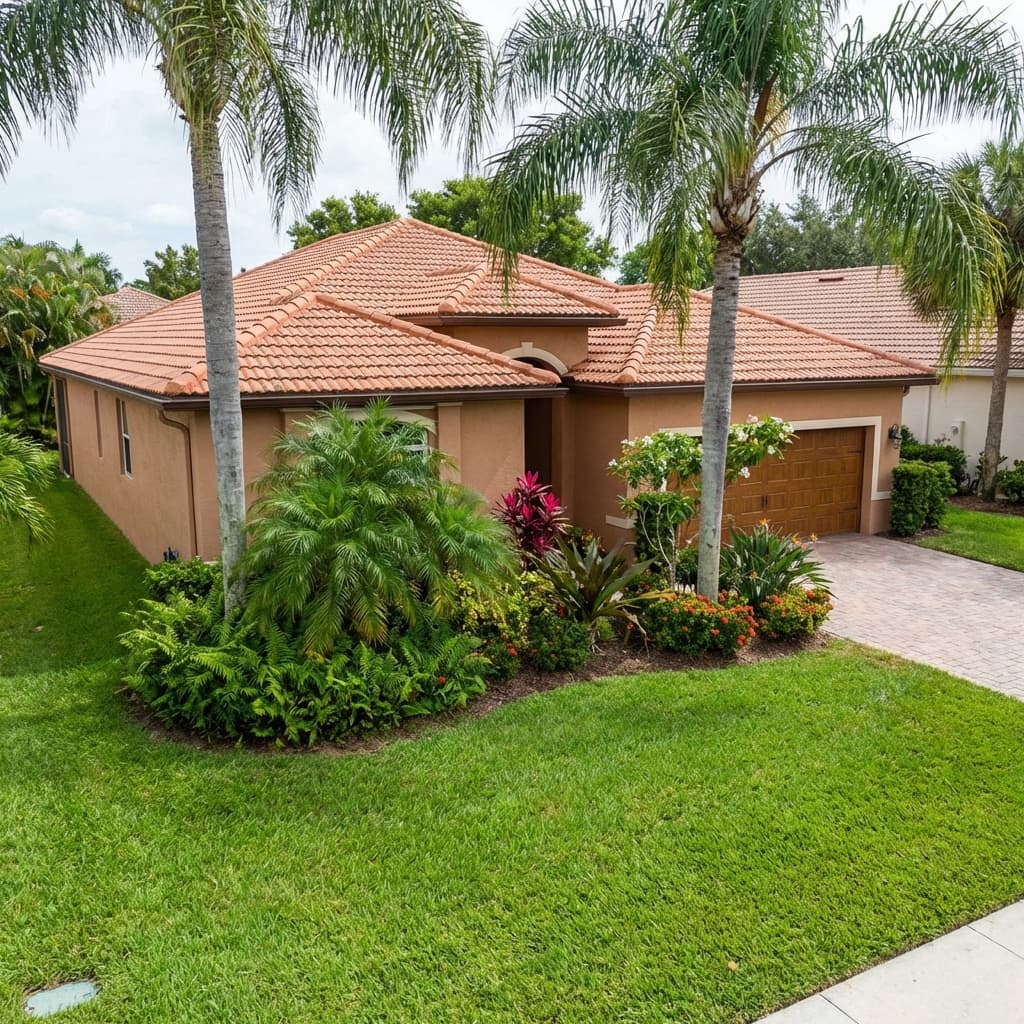
Arlington Jacksonville Lawn Care
Arlington Jacksonville Lawn Care. Review the site, scope and current written quote before deciding.
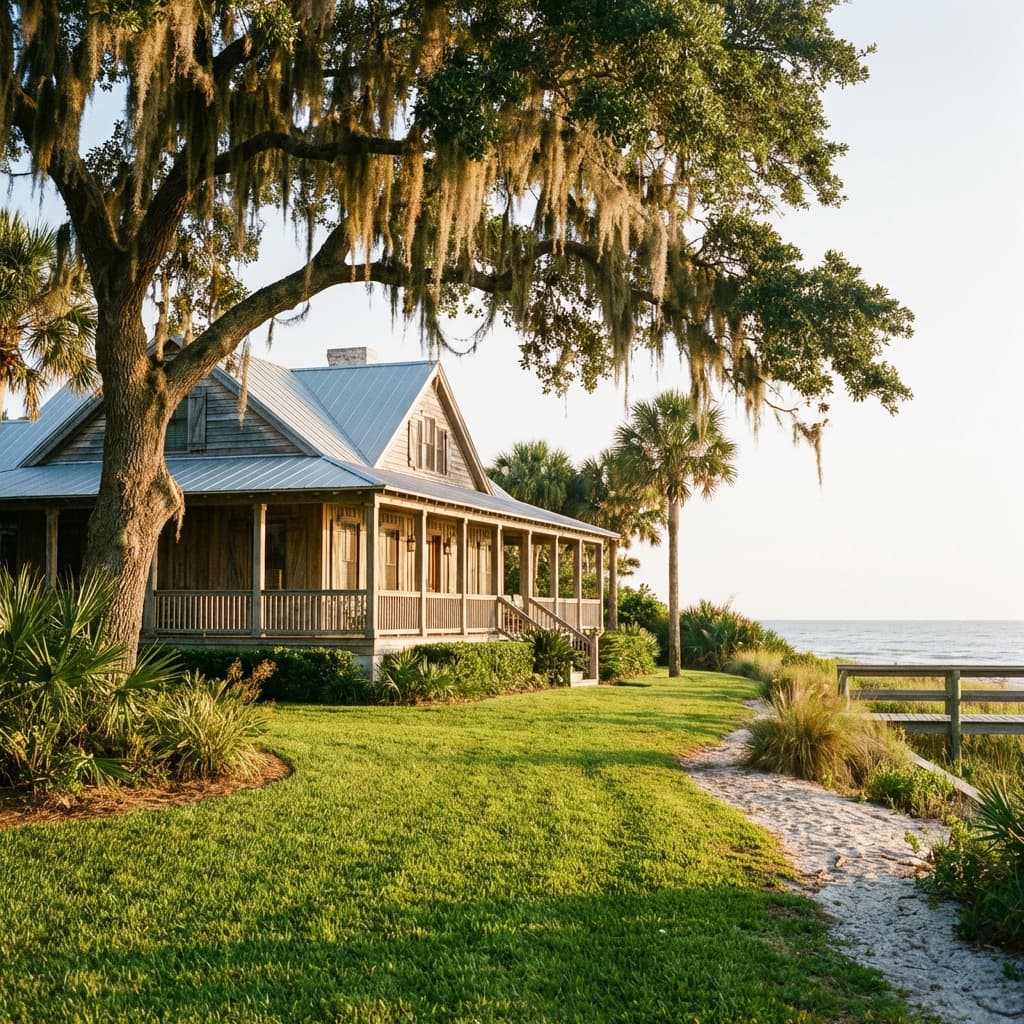
August Lawn Care Jacksonville FL: Managing Peak Stress Season
Expert August lawn care tips for Jacksonville's toughest month. Strategies to help your lawn survive extreme heat, humidity, and afternoon storms.
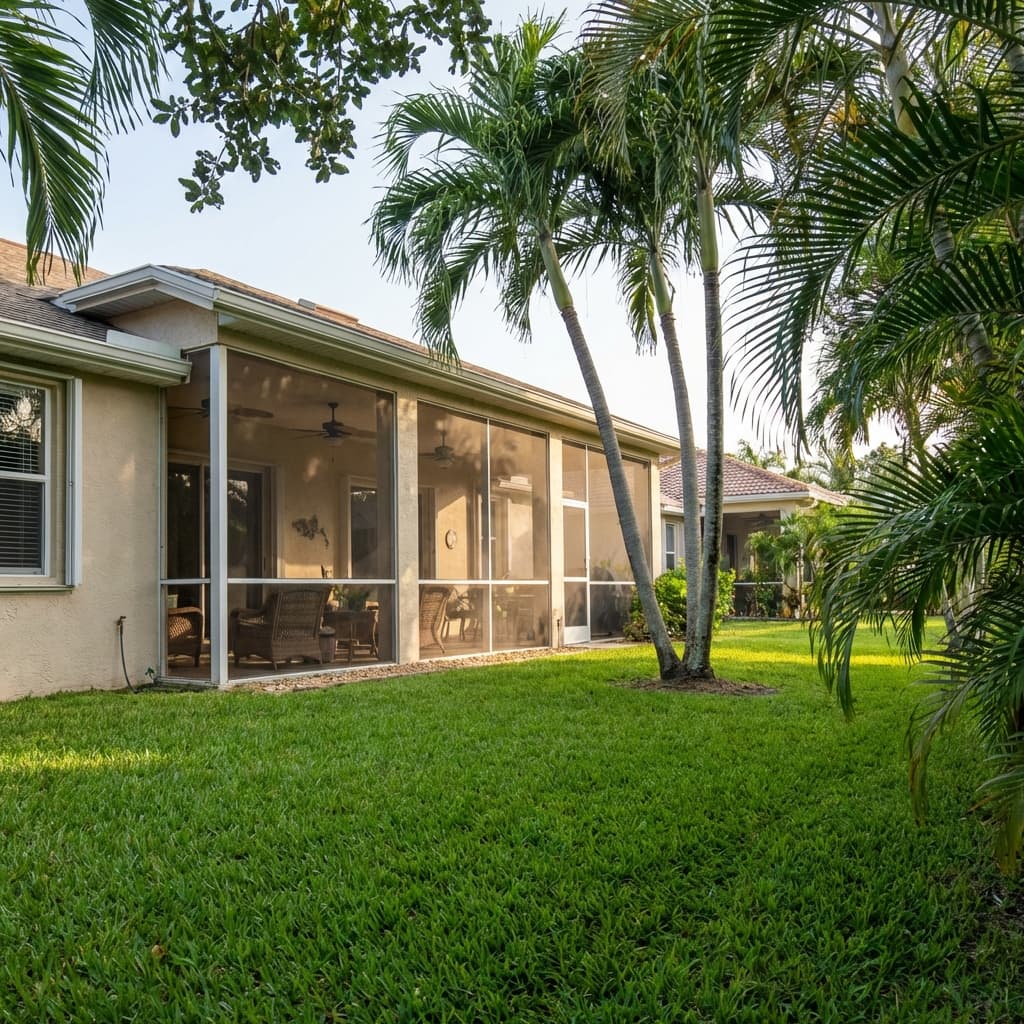
December Lawn Care Jacksonville FL: Year-End Maintenance
Complete December lawn care guide for Jacksonville, Florida. Year-end maintenance, winterization strategies, and preparation tips for St. Augustine and warm-season grasses in Zone 9a/9b.
Let’s talk about your lawn
Ask our AI assistant a lawn question, or send the team a free installation estimate request.