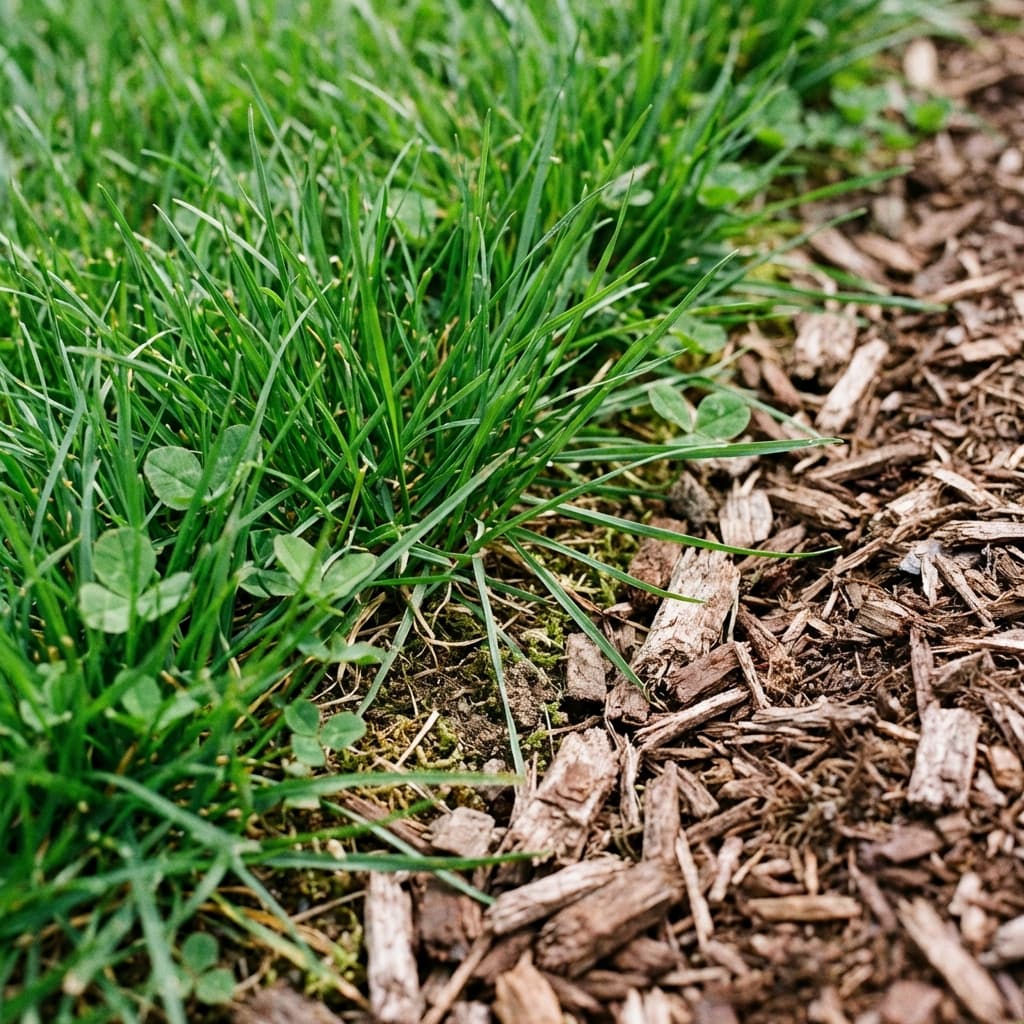
When to Install Sod in Florida: A Season-by-Season Guide
Timing Is Everything
In Florida, we're lucky: you can technically install sod any month of the year. Unlike the frozen north, our ground never freezes. But just because you can doesn't mean every month is equally ideal. Understanding the seasonal rhythms of grass growth in Northeast Florida will help you choose the optimal window for your project.
Spring (March - May): The Gold Standard
Verdict: Best time to install.
Spring is the universal sweet spot for sod installation in Jacksonville. The grass is emerging from winter dormancy, soil temperatures are rising, and the summer rains are around the corner.
- Grass is Hungry: Coming out of dormancy, grass is primed to grow. Roots establish faster because the plant is in full "growth mode."
- Moderate Temperatures: Daytime highs in the 70s-80s are ideal. The sod isn't stressed by extreme heat, and it's warm enough for rapid root development.
- Rain is Coming: By late May, Florida's afternoon thunderstorm season kicks in. This free irrigation is a huge advantage for newly installed sod that needs consistent moisture.
- Full Growing Season Ahead: Sod installed in March has 7+ months of warm weather to establish a deep, robust root system before winter dormancy.
Summer (June - August): The Double-Edged Sword
Verdict: Possible, but requires extra care.
Summer installation is common in Jacksonville—we do it all the time. However, it demands strict attention to watering.
- Extreme Heat: When daytime temps hit 95°F+, newly laid sod can dry out and die within hours if not watered. The window between "moist" and "crispy" is razor thin.
- Mandatory Watering: You must be available to water 2-3 times per day for the first 10-14 days. This is non-negotiable. If you work away from home and don't have an automatic irrigation system, summer installation is risky.
- Afternoon Storms (Bonus): The daily rain showers help, but they're unpredictable. Some days the storm misses your house entirely. Never rely solely on rain.
- Fungal Risk: The combination of heat, humidity, and constant watering creates ideal conditions for fungal diseases like Brown Patch and Grey Leaf Spot. Proper drainage and morning watering help mitigate this.
Fall (September - November): The Underrated Season
Verdict: Excellent, often our recommendation.
Many customers are surprised when we recommend fall. It's actually a fantastic time to install sod in Florida.
- Cooling Temperatures: The worst of summer heat is over. The grass is still actively growing but isn't being stressed by 95°F days.
- Reduced Watering Needs: Lower temperatures and shorter days mean less evaporation. You'll water significantly less than a summer install.
- Fewer Weeds: Warm-season weeds (crabgrass, spurge) are winding down. Your new sod faces less competition.
- Root Focus: As temperatures cool, grass prioritizes root growth over blade growth. This is exactly what you want for new sod—a deep, strong root system developing quietly over the winter.
Winter (December - February): The Wild Card
Verdict: It works, but patience required.
Winter sod installation in Jacksonville is absolutely viable, but you need to manage expectations.
- Dormancy: St. Augustine and Zoysia enter dormancy or semi-dormancy in winter. The sod will be alive but won't actively grow. It may turn slightly brown or straw-colored, which is normal.
- Slow Rooting: Without warm soil temperatures (below 65°F), root growth slows dramatically. The sod will sit on the ground for weeks before anchoring.
- Frost Risk: Jacksonville typically gets 5-10 light frosts per winter. New sod is more frost-sensitive than established turf because it lacks deep roots for insulation.
- Low Water Needs: The silver lining: you barely need to water in winter. Once or twice a week is usually sufficient.
The Key: If you install in winter, don't panic when the lawn doesn't look lush. It's sleeping, not dead. Come March, it will wake up and explode with growth.
The Bottom Line
- Best: March - May (Spring)
- Great: September - November (Fall)
- Good: June - August (Summer, with diligent watering)
- Acceptable: December - February (Winter, with patience)
No matter when you install, the most critical factor is watering during the first 2-3 weeks. Get that right, and your sod will thrive. Ready to schedule? Contact Jax Sod for your free estimate.
Need Professional Sod Installation?
Jax Sod connects you with expert installers across Jacksonville and Northeast Florida. Over 40 Years of experience. Free quotes!
Related Articles
Installing Sod During Jacksonville's Rainy Season
Learn the pros, cons, and best practices for sod installation rainy season Jacksonville. When to proceed, when to postpone, and how to succeed.
When is the Best Time to Install Sod in Florida?
Timing matters. Learn which months give your new sod the best chance of success in Florida's unique climate, and when you should avoid installation.
August Lawn Care Jacksonville FL: Managing Peak Stress Season
Expert August lawn care tips for Jacksonville's toughest month. Strategies to help your lawn survive extreme heat, humidity, and afternoon storms.
Get Started
Ready for a New Lawn?
Get a free, no-obligation quote from Jacksonville's trusted sod experts. With over 40 years of experience, we'll connect you with the right installers for a perfect lawn.
(904) 901-1457