Loading...
Back to Articles
Frost Protection for Jacksonville Lawns and Plants
Landscaping January 27, 2026 19 min read
For current costs, compare the exact product or written project scope. See what to include in a sod estimate; this guide does not establish a current price, saving or resale return.
Jacksonville's mild winters lull many homeowners into a false sense of security, but when frost arrives, it can cause significant damage to unprepared landscapes. After years of helping Northeast Florida homeowners maintain healthy lawns through every season, we've learned that Jacksonville's occasional cold snaps require specific strategies that differ from both deep South Florida and northern states. You're not dealing with months of frozen ground, but you're also not immune to frost damage. Understanding when frost occurs, how it affects different grass types, and which protection methods actually work can save you hundreds or thousands of dollars in landscape repairs.
Most Jacksonville winters bring 10-15 frost events, with occasional hard freezes that dip into the low 20s or even teens during severe cold patterns. The difference between a lawn that recovers quickly in spring and one that requires expensive repairs often comes down to preparation and appropriate response during these critical cold periods. Whether you're protecting a newly installed St. Augustine lawn in Mandarin, established Bermuda in Jacksonville Beach, or tropical landscape plants in Nocatee, frost protection strategies tailored to our First Coast climate make all the difference.
Jacksonville's Frost Reality: What to Expect
Jacksonville occupies a unique position in Florida's climate spectrum, far enough north to experience regular frost but mild enough that severe freezes remain relatively uncommon. Understanding our specific frost patterns helps you prepare appropriately without over-reacting to normal winter weather.
During a typical Jacksonville winter, you can expect 10-15 frost events between December and February. These range from light frost that barely whitens grass blades in the morning to harder freezes that damage tender plants and stress even cold-hardy varieties. Zone 9a areas inland, including most of Clay County, western Duval County, and inland St. Johns County, see the most frequent frost. Zone 9b coastal locations near Jacksonville Beach, Atlantic Beach, and Ponte Vedra experience fewer events and less severe temperatures due to the ocean's moderating effect.
A hard freeze, defined as temperatures at or below 28°F for several hours, occurs less frequently but poses the greatest threat to Jacksonville landscapes. We typically see one to three hard freezes per decade, though recent winters have brought some exceptions. The winter of 2022-2023, for example, brought temperatures into the teens across much of Northeast Florida, causing widespread damage to tropical plants and even some established lawns.
Frost in Jacksonville isn't evenly distributed. Low-lying areas near the St. Johns River and its tributaries experience temperature inversions on clear, calm nights, causing cold air to settle into valleys while higher ground stays several degrees warmer. We've seen properties in San Marco or Riverside experience heavy frost while neighborhoods just a few blocks away on higher ground escape with minimal impact. Your specific property's microclimate matters as much as the broader zone designation.
The good news is that Jacksonville frosts are almost always brief. Unlike northern climates where frozen ground persists for weeks or months, our cold snaps typically last just a few hours overnight, with temperatures rebounding quickly after sunrise. This means damage is usually limited to foliage and surface roots rather than deep root systems, giving properly selected grasses a good chance of recovery.
When Jacksonville Frost Occurs: Timing Your Protection
Knowing when to expect frost helps you prepare your lawn and landscape without wasting time on unnecessary protection during mild periods. Jacksonville's frost season follows predictable patterns, though year-to-year variation keeps us on our toes.
The frost season runs from December through February, with the coldest temperatures typically occurring in late January. This is when Jacksonville sees its lowest average temperatures and when hard freezes most commonly occur. However, early frosts can appear as soon as late November during cold patterns, and late frosts occasionally surprise us in early March, particularly in inland zone 9a locations like Orange Park or Middleburg.
December brings the first frost risk, usually light to moderate events. Grasses begin their dormancy process, and tender annuals planted for fall color may need protection. This is when we recommend preparing frost protection materials and identifying vulnerable plants that will need covering.
January is Jacksonville's coldest month, with average lows around 42°F but the potential for much colder temperatures during cold snaps. The coldest nights typically fall in the second half of January and first week of February. This is when hard freezes most often occur, and when landscape damage is most likely. Keep protection materials ready and monitor weather forecasts closely during this period.
February gradually moderates, but frost remains possible throughout the month. As the month progresses, daylight increases and cold snaps become briefer. Late February usually sees the last frost of the season, though inland areas may experience frost into early March.
Overnight timing is critical. Frost develops after sunset when temperatures drop below 32°F under clear skies with calm winds. The coldest temperatures occur just before sunrise, typically between 5 AM and 7 AM. This timing allows you to cover sensitive plants in the evening and remove coverings the next morning once temperatures rise, preventing heat buildup under covers.
Clear, calm nights pose the highest frost risk. Cloud cover acts as a blanket, trapping heat near the ground, while wind mixes air and prevents cold from settling. When forecasts call for clear skies, light winds, and temperatures near freezing, prepare for frost protection measures.
How Frost Damages Warm-Season Grass
Understanding how frost affects grass helps you distinguish between normal dormancy and actual damage, preventing unnecessary panic while ensuring you take appropriate action when real problems occur.
Warm-season grasses, including all common Jacksonville varieties like St. Augustine, Bermuda, Zoysia, and Bahia, evolved in subtropical and tropical climates. They grow actively when temperatures exceed 80°F, slow significantly below 70°F, and go dormant when soil temperatures drop below 55°F. Frost doesn't kill these grasses outright in most cases, but it does cause stress and potential damage depending on the severity and duration of cold temperatures.
Light frost (32-28°F) causes surface tissue damage. Grass blades may develop a grayish or purplish tint, and you might notice a crunchy texture underfoot in early morning. This surface damage is usually cosmetic. The grass crowns and roots, protected by soil, remain healthy. Light frost causes minimal long-term impact, and grass typically recovers within days once temperatures warm.
Hard freeze (28°F and below for several hours) penetrates deeper and can damage grass crowns, the growing point where new leaves emerge. When crowns sustain damage, grass may brown extensively and require longer recovery periods. In severe cases, particularly with less cold-hardy varieties like St. Augustine, crown damage can kill grass outright in patches, requiring sod replacement.
Repeated freeze-thaw cycles cause more damage than a single cold event. When temperatures fluctuate above and below freezing repeatedly, ice crystals form inside plant cells, rupture cell walls, and cause progressive tissue death. This is why a week of yo-yoing temperatures around freezing causes more lawn damage than one night in the low 20s followed by a return to mild weather.
Newly installed sod is particularly vulnerable because roots haven't fully established. We recommend avoiding sod installation from mid-November through mid-February specifically because young grass lacks the root system to survive cold stress. If you install sod in fall, aim for completion by early November to allow at least a month of root development before frost arrives.
Winter-stressed grass is also more susceptible to disease. Brown patch, gray leaf spot, and other fungal diseases exploit weakened grass during cold, damp periods. Frost damage that might be minor on its own can become severe when fungal infections take hold in damaged tissue.
Which Jacksonville Grasses Handle Frost Best
Not all warm-season grasses respond equally to Jacksonville's winter conditions. Selecting the right variety based on your specific location and frost exposure provides the first and best line of defense against cold damage.
Bermuda grass offers the best cold tolerance of any warm-season grass commonly grown in Jacksonville. Varieties like TifTuf, Celebration, Latitude 36, and Tifway 419 can handle temperatures well into the teens with minimal damage. Bermuda goes fully dormant in winter, turning brown from December through March, but this dormancy is a protective strategy rather than damage. The grass crowns and rhizomes remain healthy underground, and Bermuda is typically the first grass to green up in spring, often showing new growth by late March.
The tradeoff with Bermuda is its dormant appearance. Homeowners seeking year-round green lawns may dislike the brown winter color, but this dormancy is precisely what allows Bermuda to survive cold that would kill less hardy varieties. For zone 9a locations like Orange Park, Middleburg, or western Jacksonville, Bermuda makes excellent sense. Even in zone 9b coastal areas, Bermuda's durability, drought tolerance, and wear resistance make it a top choice for active families.
Zoysia grass provides middle-ground cold tolerance. Empire, Zeon, Icon, and Palisades varieties handle Jacksonville winters well in both zones 9a and 9b. Zoysia goes dormant like Bermuda, turning brown or tan in winter, but maintains slightly more color in mild winters, particularly in zone 9b. Zoysia tolerates some shade better than Bermuda, making it suitable for properties with trees. Recovery in spring is slower than Bermuda but faster than St. Augustine, with green-up typically occurring in April.
Zoysia works well in transitional areas between zones 9a and 9b, and in properties that receive morning sun but afternoon shade. It offers better cold tolerance than St. Augustine with better appearance and shade tolerance than Bermuda, though it's more expensive to install and slower to establish.
St. Augustine grass is Jacksonville's most popular choice for its lush, dark green appearance and shade tolerance, but it's also the least cold-hardy variety. Floratam St. Augustine, widely planted in Florida, can suffer significant damage when temperatures drop into the low 20s. Floratam is best suited to zone 9b coastal areas where hard freezes are uncommon.
Cold-hardy St. Augustine varieties like Palmetto, Sapphire, Seville, and CitraBlue tolerate zone 9a conditions better. These varieties can survive temperatures into the low 20s with minimal damage, though they may still brown in severe cold. They maintain better winter color than Bermuda or Zoysia in mild winters, often staying semi-green through December and January if temperatures remain moderate.
If you're committed to St. Augustine in inland Jacksonville, choose a cold-hardy variety and accept that severe winters may cause some damage requiring spring repair. The payoff is better year-round appearance and excellent shade tolerance for properties with mature trees.
Bahia grass is nearly indestructible. Argentine and Pensacola Bahia varieties handle any cold Jacksonville can deliver, thriving in both zones 9a and 9b. Bahia goes brown in winter but bounces back aggressively in spring. Its coarse texture and open growth habit don't appeal to homeowners seeking a manicured look, but for large properties, pastures, or budget-conscious landscaping, Bahia requires minimal maintenance and laughs at frost damage.
Frost Protection for Landscape Plants
While grass typically recovers from cold damage, landscape plants can suffer permanent harm or death from frost. Protecting valuable shrubs, trees, and ornamentals requires different strategies than grass protection.
Covering plants provides several degrees of frost protection. Use frost blankets, old sheets, or burlap to cover sensitive plants before sunset on nights when frost is predicted. Drape the covering over the entire plant, extending it to the ground to trap heat radiating from soil. Remove covers in the morning once temperatures rise above freezing to prevent heat buildup and allow light penetration.
Never use plastic sheeting directly touching foliage. Plastic provides no insulation, and when it contacts leaves during a freeze, it conducts cold directly to plant tissue, causing more damage than leaving the plant uncovered. If plastic is your only option, create a frame to keep it from touching foliage, but fabric covers work far better.
Mulching root zones protects the most critical part of plants, the roots and crown. Apply 3-4 inches of mulch around sensitive plants in November, creating a insulating layer that moderates soil temperature swings. Pine straw, wood chips, or shredded leaves all work well. Keep mulch a few inches away from plant trunks to prevent rot.
Watering before a freeze seems counterintuitive but actually helps. Moist soil retains heat better than dry soil, releasing warmth overnight that provides a few degrees of frost protection. Water plants thoroughly the day before a predicted freeze, ensuring soil is moist down to root depth. This strategy works best for established landscape plants, not grass, and should only be done if your irrigation system hasn't been winterized.
Strategic plant placement provides passive frost protection. Plant cold-sensitive specimens on the south side of buildings where they receive maximum sun exposure and benefit from heat radiating from walls. Avoid planting tender species in low spots where cold air settles. Use buildings, fences, and evergreen trees as windbreaks to reduce wind chill on sensitive plants.
Tropical plants in Jacksonville should always be considered borderline. Hibiscus, bougainvillea, crotons, ixora, and similar zone 10-11 plants may survive mild winters but risk severe damage or death during hard freezes. Plant these in containers that can be moved to protected locations, or accept that you're gambling on Jacksonville's winter severity and may need to replace plants after severe cold.
Jacksonville Pro Tip: Focus protection efforts on your most valuable or irreplaceable plants. Mature trees, expensive specimen plants, and family heirlooms deserve covering, while inexpensive annuals or easily replaced shrubs can be left to face the cold unprotected.
What NOT to Do: Common Frost Protection Mistakes
Well-intentioned homeowners often make frost protection mistakes that waste effort or actually increase damage. Avoiding these pitfalls improves your success rate.
Don't cover plants with plastic touching leaves. We've seen this mistake repeatedly. Plastic bags, tarps, or sheeting draped directly over plants provide zero insulation and conduct cold directly to foliage where they make contact, causing more damage than no covering at all. If you must use plastic, create a frame so plastic doesn't touch leaves, but fabric covers are always better.
Don't prune cold damage until spring. When frost damages plants, the natural reaction is to immediately prune brown, dead-looking foliage. Resist this urge. Damaged tissue, even though it looks terrible, provides insulation for lower, healthier tissue and protects plant crowns. Wait until late February or March when you're certain no additional freezes will occur and new growth begins to emerge. At that point, prune damaged tissue back to healthy wood.
Don't fertilize before or immediately after a freeze. Fertilizer stimulates new growth, and tender new tissue is extremely vulnerable to cold damage. Your last fertilizer application of the year should be in October or early November at the latest, and you shouldn't fertilize again until soil temperatures warm in March. Fertilizing cold-stressed plants doesn't help recovery and can actually increase stress.
Don't overwater dormant grass. While watering before a freeze helps landscape plants, dormant grass requires minimal irrigation. Overwatering dormant grass invites fungal diseases like brown patch, which thrive in cold, wet conditions. Follow SJRWMD watering restrictions and reduce irrigation frequency in winter, watering only enough to prevent complete drying if rainfall is scarce.
Don't panic over dormancy. Warm-season grass naturally turns brown in winter, especially Bermuda, Zoysia, and Bahia. This is not damage. Homeowners unfamiliar with warm-season grass dormancy sometimes panic and replace perfectly healthy grass that will green up naturally in spring. Wait until April before assessing damage. If grass hasn't shown new growth by late April, then you may have actual damage requiring repair.
Don't neglect irrigation system protection. Exposed pipes, backflow preventers, and sprinkler heads can freeze and rupture during hard freezes. While Jacksonville's brief cold snaps often spare irrigation systems, a prolonged freeze can cause expensive damage. If a hard freeze is forecast, drain exposed pipes if possible, cover backflow preventers with insulated bags or foam covers, and know where your main water shutoff is located in case pipes burst.
Recognizing Frost Damage vs Dormancy
Distinguishing between normal winter dormancy and actual frost damage prevents unnecessary repairs and helps you take appropriate action when real damage occurs.
Dormant grass transitions gradually as temperatures cool. Bermuda, Zoysia, and Bahia begin browning in December and reach full dormancy by January. The browning is uniform across the lawn, and grass maintains its structure. Blades may be tan or brown, but they're not mushy or slimy. The grass doesn't pull up easily when tugged. Dormant grass requires patience, not intervention.
Frost-damaged grass often shows irregular patterns. Patches of dead grass appear while other areas remain healthier. Damaged grass may have a grayish, water-soaked appearance shortly after a freeze, turning tan or brown as damaged tissue dries. Severely damaged grass pulls up easily from soil because roots and crowns are dead. You may notice a foul smell from decaying plant tissue in the worst-affected areas.
St. Augustine frost damage typically appears as browning from leaf tips downward. Mild damage affects only blade tips, which turn brown while bases remain green or tan. Moderate damage browns entire blades but spares crowns, allowing recovery from the base. Severe damage kills crowns and roots, creating patches that won't recover and require sodding.
Timing helps distinguish damage from dormancy. If browning occurs gradually over several weeks as temperatures drop, you're seeing dormancy. If browning happens rapidly within a few days after a specific cold event, especially in irregular patches, you're likely seeing damage. If grass maintains good appearance through January but suddenly browns after a late February freeze, that's damage rather than normal dormancy.
The tug test provides quick assessment. Grasp a handful of grass and pull gently. Dormant grass resists pulling and feels firmly rooted. Dead grass pulls up easily, often bringing up chunks of thatch or shallow roots. If grass pulls up readily across large areas, you have significant damage requiring professional assessment and probable repair.
Wait until April before making final judgments. Spring temperatures trigger green-up in dormant grass, usually beginning in late March or early April. By late April, you'll clearly see which areas are recovering and which areas remain brown and lifeless. At that point, damaged areas can be repaired with new sod, spot sodding, or plugging depending on the extent of damage.
Recovery Timeline by Damage Type
Understanding how long recovery takes helps set realistic expectations and guides your repair decisions.
Light surface damage (leaf tip browning, no crown damage) recovers within 2-3 weeks once temperatures warm into the 70s consistently. You'll see new green growth emerging from the base of grass plants, gradually replacing browned tips. No intervention is needed beyond normal lawn care practices.
Moderate damage (extensive browning but living crowns) requires 4-8 weeks for recovery. As soil temperatures warm in March and April, new shoots emerge from surviving crowns. Grass will look thin and weak initially, gradually filling in through late spring. Light fertilization in April can support recovery, but don't overdo nitrogen which can stress recovering grass.
Severe damage (dead crowns and roots) won't recover at all. These areas require replacement. If damaged patches are small (less than a few square feet), you can spot sod affected areas in March or April. Larger damaged areas may justify full lawn replacement, particularly if you're replacing a cold-tender variety like Floratam with a more cold-hardy option.
Bermuda recovery is typically fastest. Because Bermuda is extremely cold-hardy, most winter browning is dormancy rather than damage. Bermuda often shows new growth by late March and can reach full coverage by May if soil nutrition and moisture are adequate.
St. Augustine recovery is slowest, particularly for cold-damaged grass. Even mild damage can take until June for full recovery. St. Augustine spreads slowly compared to Bermuda, so damaged areas don't fill in quickly. Fertilization in April helps, but patience is key. If areas haven't shown significant recovery by late May, replacement is likely necessary.
Protecting Irrigation Systems from Freeze Damage
Jacksonville's irrigation systems face freeze risk during hard freezes, and ruptured pipes or damaged backflow preventers can cost hundreds or thousands to repair.
Backflow preventers are the most vulnerable components. These brass devices sit above ground on your main water line, often located near the water meter. Because they're exposed to air and hold standing water, they're prone to freezing. Many Jacksonville homes have experienced ruptured backflow preventers during hard freezes, causing flooding and requiring immediate replacement.
Insulating backflow preventers is simple and effective. Purchase foam backflow preventer covers from any hardware store, or improvise with old towels, blankets, or foam pipe insulation wrapped around the device. Install covers before freezing nights and remove them once temperatures warm.
Draining exposed pipes provides additional protection. If your system has manual drain valves, open them before a hard freeze to allow water to drain from exposed pipes. Consult your system's manual or a professional if you're unsure about proper drainage procedures. Many modern systems drain automatically, but older systems may require manual intervention.
Above-ground spray heads rarely freeze because water drains out after each cycle, but heads in low spots where water puddles can freeze and crack. If you know certain heads hold water, manually clear them before hard freezes.
Knowing your shutoff location is critical. If pipes burst during a freeze, you need to shut off water immediately to prevent flooding. The main shutoff is typically near your water meter or where the main line enters your house. Make sure all household members know this location and how to operate the valve.
After a hard freeze, check your system before the first irrigation cycle. Look for water spraying from unexpected locations, soggy spots in the yard, or visible cracks in pipes and fittings. If you discover damage, shut off water and call a professional. Running a damaged system can cause extensive water waste and additional damage.
Container Plant Protection in Jacksonville
Container plants face higher frost risk than in-ground plants because roots are exposed to air temperatures rather than insulated by ground soil. Containers freeze faster and thaw faster, creating more extreme temperature swings.
Moving containers provides the simplest protection. Bring tropical plants and tender perennials indoors or into a garage on nights when frost threatens. Even an unheated garage provides several degrees of protection compared to outdoors. If you can't move containers indoors, move them to protected locations like covered patios, against south-facing walls, or under eaves where they receive some shelter.
Grouping containers creates a microclimate. Push multiple containers close together and cover them all with a large frost blanket or sheet. The combined mass holds more heat, and plants protect each other. This works particularly well for multiple medium-sized containers that are difficult to move individually.
Wrapping containers insulates roots. Bubble wrap, burlap, or blankets wrapped around container exteriors protect roots from rapid temperature drops. This is particularly important for large containers that are impossible to move. Focus on insulating the container sides and bottom where roots are located, not just covering foliage.
Elevating containers off concrete or pavers prevents conductive heat loss to cold surfaces. Place containers on wood boards, pot feet, or bricks to create an air gap. This simple step can prevent several degrees of root zone cooling.
Reducing container plant stress before winter improves cold tolerance. Well-watered, properly fertilized plants tolerate cold better than stressed plants. Stop fertilizing by October to avoid stimulating tender new growth, but ensure containers are adequately watered through fall.
Tropical Plants Most at Risk in Jacksonville
Some landscape plants simply aren't suited to Jacksonville's occasional hard freezes. Knowing which plants are most vulnerable helps you provide extra protection or choose hardier alternatives.
Palms vary widely in cold tolerance. Coconut palms, Christmas palms, and royal palms are all zone 10-11 plants that risk severe damage or death in Jacksonville freezes. Sabal palms, saw palmetto, and needle palms are Florida natives that handle cold easily. If you're committed to tropical-looking palms in Jacksonville, stick with cold-hardy varieties or accept that tender palms may not survive severe winters.
Tropical flowering shrubs including hibiscus, ixora, croton, and bougainvillea are popular Jacksonville landscape plants that suffer in freezes. Hibiscus and bougainvillea may die back to the ground but resprout from roots in spring if roots survive. Croton and ixora are less likely to recover from severe damage. Plant these in zone 9b coastal areas with protection, or treat them as replaceable annuals in zone 9a.
Citrus trees fall into a middle category. Most citrus can handle light frosts but suffer damage below 28°F. Satsumas and kumquats are most cold-hardy and suitable for Jacksonville, while lemons, limes, and grapefruit are marginal. Many Jacksonville homeowners successfully grow citrus by planting on the south side of buildings and covering during hard freezes, but be prepared for occasional losses.
Tender annuals including impatiens, begonias, coleus, and tropical foliage plants die at the first frost. These are intended as spring-fall color, not year-round plants. Replace them with cold-hardy annuals like pansies, snapdragons, and ornamental kale for winter color.
Succulents vary in cold tolerance. Agaves and yuccas handle Jacksonville weather easily. Aloe, echeveria, and jade plants risk damage in hard freezes. Many Jacksonville gardeners successfully grow these in containers that can be moved indoors when necessary.
Conclusion
Frost protection in Jacksonville requires a balanced approach that recognizes our unique climate. We experience enough cold to require preparation and protection strategies, but not so much that extreme measures are necessary every winter. The key is understanding which grass varieties and landscape plants handle Jacksonville's 10-15 annual frost events naturally, protecting truly vulnerable specimens during the handful of hard freezes we experience, and distinguishing between normal dormancy and actual damage requiring repair.
Your grass selection determines how much winter stress you'll face. Bermuda and Zoysia handle Jacksonville winters across both zones 9a and 9b with minimal intervention, while St. Augustine requires variety selection matched to your location and acceptance of occasional damage. Landscape plants require more active protection, with covering, mulching, and strategic placement all playing important roles in preventing frost damage to valuable specimens.
Avoid common mistakes like covering plants with plastic, pruning damage prematurely, or panicking over normal dormancy. Wait until spring to assess damage, protect irrigation systems from hard freezes, and focus your protection efforts on plants that truly need it rather than trying to protect everything. Most importantly, learn from each winter. Note which areas of your property experience the worst frost, which plants struggle, and what protection methods work for your specific conditions. This accumulated knowledge makes you increasingly effective at winter landscape protection over time.
Ready to install frost-tolerant sod perfectly matched to Jacksonville's climate? With years of experience selecting and installing grass varieties across Northeast Florida, we'll help you choose grass that thrives through Jacksonville's winters with minimal maintenance and maximum durability.
Need Professional Sod Installation?
Jax Sod provides sod installation, sod replacement, and new lawn installation across Jacksonville and Northeast Florida. Free quotes!
Related Articles
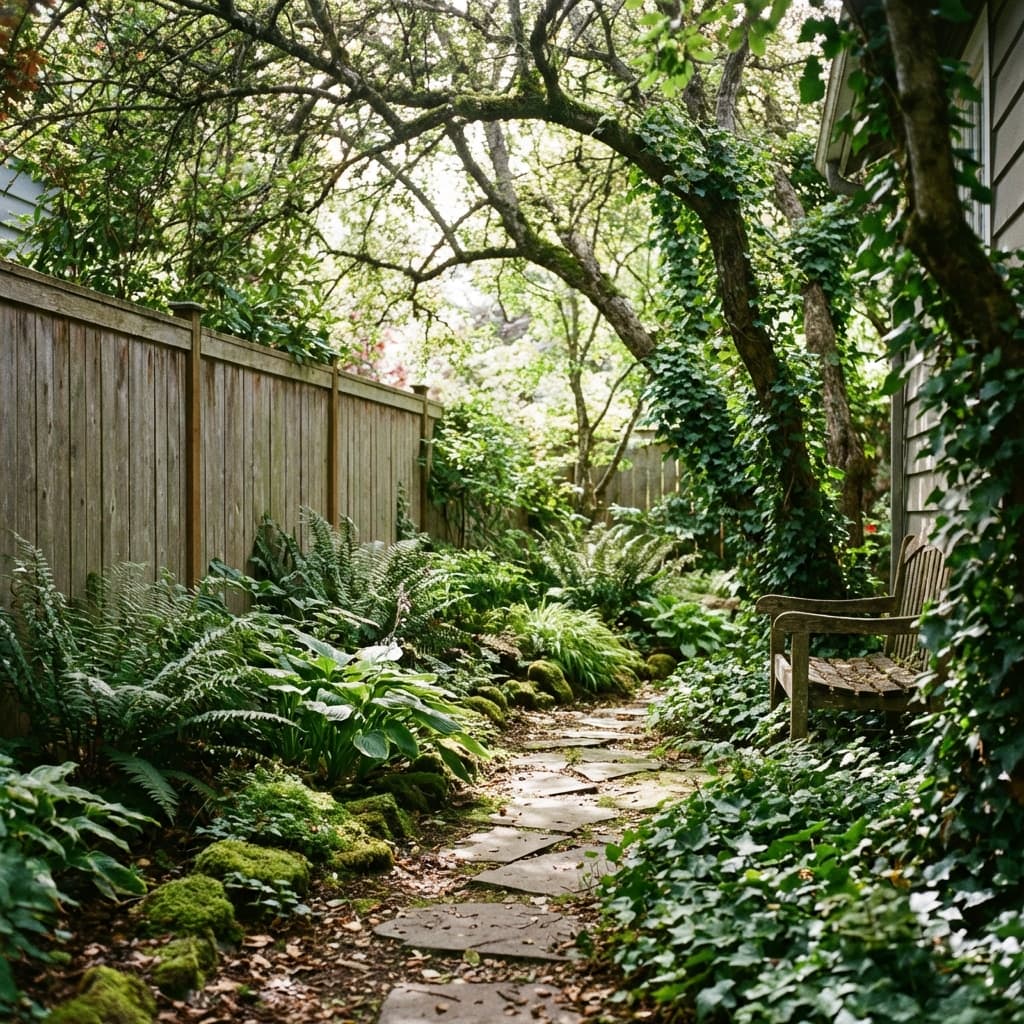
Best Plants for Shade in Jacksonville, FL — A Complete Guide
Discover the best shade plants for Northeast Florida's unique climate. Expert guide to thriving shade plants for zones 9a/9b with planting schedules and care tips.
Best Privacy Hedge Plants for Jacksonville, FL
Best Privacy Hedge Plants for Jacksonville, FL. Review the site, scope and current written quote before deciding.
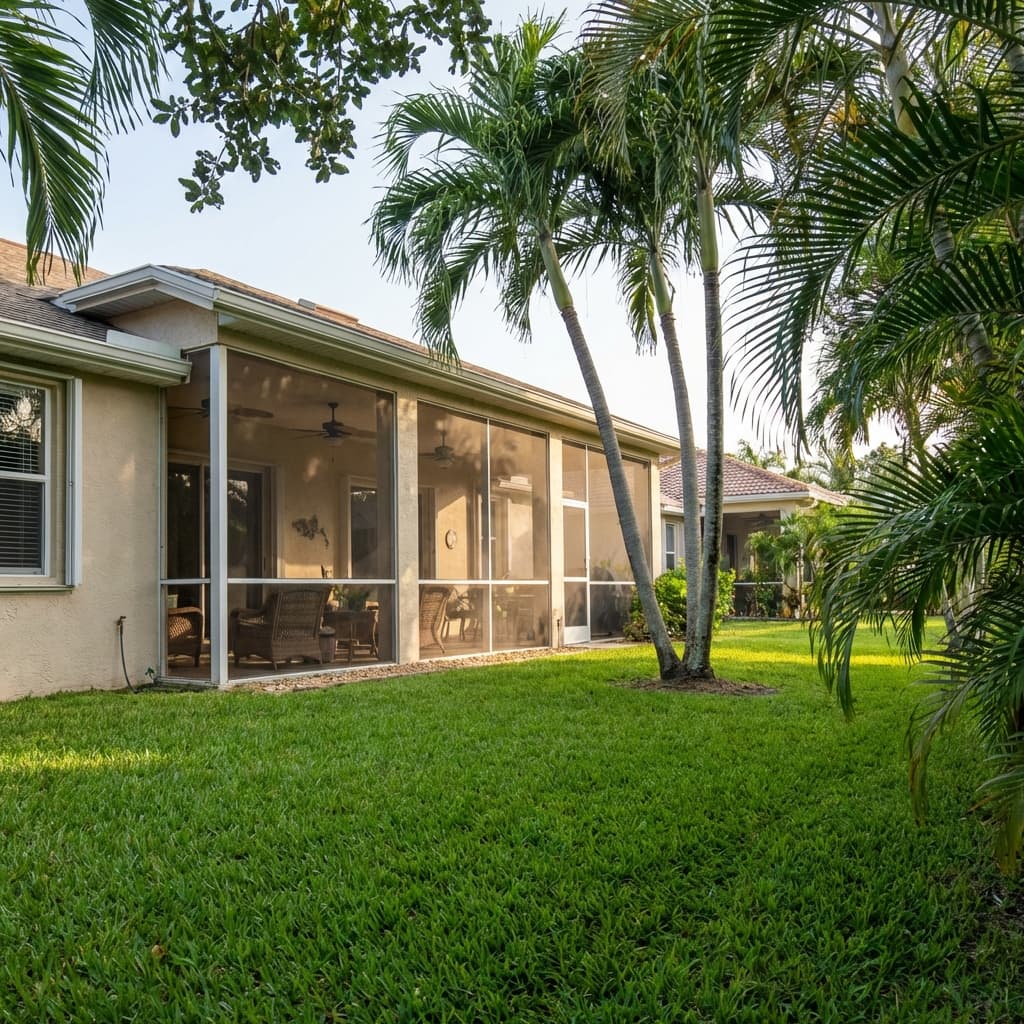
Designing a Florida Landscape: Best Plants for Jacksonville
Beyond the lawn: create a stunning, low-maintenance landscape. We share the top plants that thrive in Northeast Florida's unique climate, from vibrant crotons to hardy grasses.
Let’s talk about your lawn
Ask our AI assistant a lawn question, or send the team a free installation estimate request.