Loading...
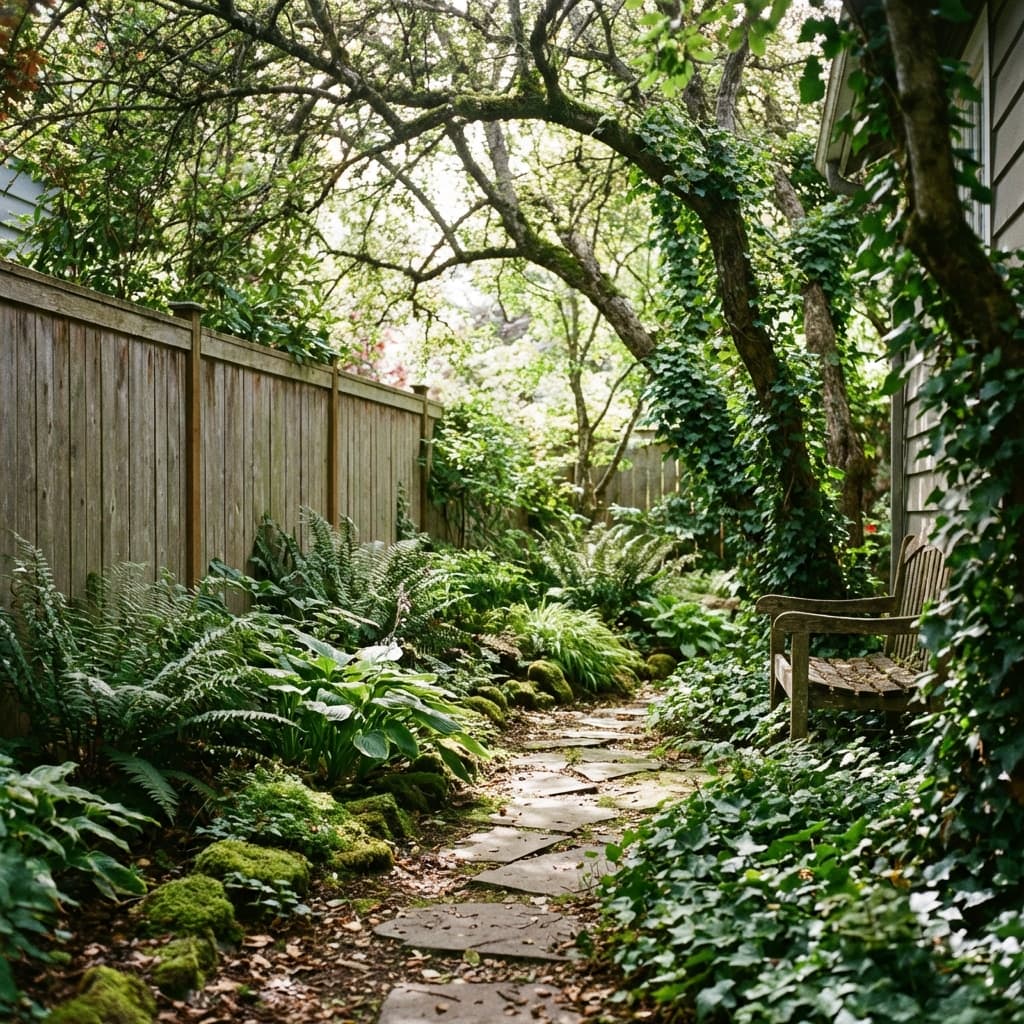
Back to Articles
Best Plants for Shade in Jacksonville, FL — A Complete Guide
Landscaping October 15, 2025 6 min read
Jacksonville's big trees are one of the best things about living here — neighborhoods like Riverside, Avondale, and San Marco have incredible canopy cover. But all that shade makes it tough to grow anything underneath. After working with Northeast Florida landscapes for over a decade, I've figured out which shade plants actually do well in our Zone 9a/9b climate and which ones just slowly die.
Whether you've got dense shade from mature live oaks or dappled light under pines, this guide covers the plants that'll actually thrive in those spots — not just survive.
Types of Shade in Northeast Florida
Not all shade is the same, and the type you have determines what'll grow there:
Deep Shade: Found under dense canopies of live oaks, magnolias, and mature trees common in neighborhoods like Ortega and Mandarin. These areas receive less than 2 hours of direct sunlight daily.
Partial Shade: Common under pine trees or between buildings, receiving 2-4 hours of direct sunlight, often in the morning or late afternoon.
Dappled Shade: Created by trees with open canopies, allowing filtered sunlight throughout the day. This is ideal for many shade plants.
Seasonal Shade: Areas that become shaded as trees leaf out in spring but receive more light in winter when deciduous trees are bare.
Soil Considerations for Shaded Areas
Jacksonville's shaded areas often present unique soil challenges:
- Sandy soil: Common throughout Duval County, drains quickly but may lack nutrients
- Clay patches: Found in areas like Southside and parts of Westside, can become waterlogged
- Acidic conditions: Created by pine needle and oak leaf decomposition
- Root competition: Shallow tree roots compete with plants for nutrients and water
Native Florida Shade Plants
These native species are perfectly adapted to our climate and provide the best long-term success:
Coontie (Zamia integrifolia)
This prehistoric-looking native cycad is Jacksonville's most reliable shade plant. Coontie thrives in deep shade and sandy soil, making it perfect for areas under large oaks where grass struggles to grow.
Planting Time: October through March for best establishment Mature Size: 2-3 feet tall and wide Care: Drought tolerant once established, requires minimal maintenance
Firebush (Hamelia patens)
A spectacular native that produces orange-red tubular flowers almost year-round, attracting butterflies and hummingbirds to your shaded spaces.
Planting Time: Late March through September Mature Size: 4-8 feet tall, 3-6 feet wide Care: Moderate water needs, prune in late winter
Wild Coffee (Psychotria nervosa)
This understory native produces glossy green leaves and bright red berries, creating year-round interest in shaded areas.
Planting Time: April through October Mature Size: 3-6 feet tall and wide Care: Prefers consistent moisture, excellent under irrigation
Hostas
While not native, certain hosta varieties perform exceptionally well in Jacksonville's climate when properly sited and cared for.
Best Varieties for Jacksonville:
- 'Sum and Substance': Large, heat-tolerant variety
- 'August Moon': Golden foliage that lights up dark spaces
- 'Francee': Green with white margins, very reliable
Planting Time: October through February Care: Requires consistent moisture and protection from afternoon sun
Caladiums
These colorful foliage plants are perfect for adding vibrant color to shaded areas during the growing season.
Best Varieties:
- 'Candidum': Classic white with green veins
- 'Red Flash': Dramatic red with green edges
- 'Pink Beauty': Soft pink with green margins
Planting Time: March through May (after last frost) Care: Lift bulbs in November, store indoors during winter
Japanese Painted Fern (Athyrium niponicum)
This elegant fern adds sophisticated silver and purple tones to shaded gardens.
Planting Time: October through March Care: Requires consistent moisture, may go dormant in extreme summer heat
Asiatic Jasmine (Trachelospermum asiaticum)
An excellent low-maintenance groundcover that forms dense mats under trees where grass won't grow.
Coverage: Spreads 4-6 feet from each plant Planting Time: March through October Benefits: Extremely drought tolerant once established
Liriope (Liriope muscari)
This grass-like perennial produces purple flower spikes and works well as edging or mass plantings in shade.
Varieties: 'Big Blue' for larger areas, 'Variegata' for accent plantings Planting Time: September through March Spacing: 12-18 inches apart for full coverage
Fall Planting (October - December)
Fall is the optimal time for planting most shade plants in Jacksonville. Cooler temperatures and seasonal rains help establish root systems before summer stress.
Best Plants to Install:
- Native shrubs and trees
- Hostas and ferns
- Cool-season annuals like impatiens and begonias
Advantages:
- Less watering required
- Plants establish strong root systems
- Reduced transplant shock
Winter Planting (January - February)
Jacksonville's mild winters allow continued planting of many shade species.
Focus Areas:
- Completing fall plantings
- Installing hardscape elements
- Preparing beds for spring plantings
Spring Planting (March - May)
Spring offers the second-best planting window, though requires more attention to watering.
Prime Candidates:
- Heat-loving annuals
- Caladium bulbs
- Container plants
Considerations:
- Avoid planting during late spring dry periods
- Increase watering frequency as temperatures rise
Summer Planting (June - September)
Limited planting during Jacksonville's intense summer heat, focus on container gardening and spot improvements.
Summer-Safe Options:
- Container plantings that can be moved
- Quick-establishing groundcovers
- Heat-tolerant annuals like torenia
Soil Preparation Tips
Improve Drainage: Add coarse sand and organic matter to clay areas prone to standing water.
Enhance Nutrition: Incorporate compost and slow-release fertilizer to compete with tree roots for nutrients.
pH Adjustment: Test soil pH and adjust if necessary—most shade plants prefer slightly acidic to neutral conditions.
Design Principles for Shaded Spaces
Layer Your Plantings:
- Canopy layer: Existing trees
- Understory: Smaller trees and large shrubs
- Shrub layer: Mid-sized plantings
- Groundcover: Low-growing plants and mulch
Use Color Strategically:
- Light-colored foliage brightens dark spaces
- Variegated plants add visual interest
- Seasonal color from flowering plants creates focal points
Create Texture Contrast:
- Combine broad-leafed plants with fine-textured grasses
- Mix glossy and matte foliage surfaces
- Incorporate different plant heights and forms
Watering Strategies
Shaded areas often receive less rainfall due to tree canopies, but also lose less water to evaporation. Monitor soil moisture carefully and water deeply but less frequently.
Fertilization Needs
Tree roots compete aggressively for nutrients. Use slow-release fertilizers and supplement with liquid fertilizer during the growing season.
Pest Management
Shaded, humid conditions can promote fungal issues. Ensure good air circulation and avoid overhead watering when possible.
Overwatering
Many gardeners assume shaded plants need constant moisture. This can lead to root rot, especially in Jacksonville's humid climate.
Choosing the Wrong Plants
Selecting plants that require more light than available leads to poor performance and eventual plant loss.
Ignoring Seasonal Changes
Deciduous trees create changing light conditions throughout the year. Plan for these variations in your plant selections.
Competing with Tree Roots
Planting too close to large trees without proper soil amendment sets plants up for failure.
Integrating Shade Plants with Your Lawn
Getting a clean transition between shaded plantings and your lawn makes the whole yard look intentional rather than haphazard. Here's how we approach it:
Border Transitions
Use graduated plant heights to create smooth transitions from lawn to shade garden. Start with low groundcovers near the lawn edge, progressing to taller shrubs toward the back.
Maintenance Accessibility
Design pathways and maintain clear edges to ensure easy access for lawn care equipment and plant maintenance.
Complementary Colors
Choose shade plants that complement your lawn variety. Cool-season grasses pair well with blue and silver foliage, while warm-season grasses work with warmer plant colors.
When to get professional help
Most shade plants are low-maintenance once they're established, but getting the right plants in the right spots — and prepping the soil properly in root-heavy areas — can be tricky. If you're not sure what'll work in your specific shade conditions, it's worth talking to someone who's dealt with it before.
At Jax Sod, we work with shaded areas all the time. We can help you pick the right plants, prep the soil, and coordinate shade garden installation with your lawn areas so everything looks like it belongs together.
If you're dealing with bare patches under trees or just want to turn a shaded area into something that looks good, give us a call — we're happy to take a look and give you honest advice about what'll work.
Have shady areas that need help? Contact Jax Sod to talk about your options.
Need Professional Sod Installation?
Jax Sod provides sod installation, sod replacement, and new lawn installation across Jacksonville and Northeast Florida. Free quotes!
Related Articles
Flowering Plants Jacksonville FL: Complete Growing Guide
Expert guide to flowering plants for Jacksonville, Florida. Perennials, annuals, and year-round color options for Zone 9a/9b gardens with heat and humidity tolerance.
Best Privacy Hedge Plants for Jacksonville, FL
Best Privacy Hedge Plants for Jacksonville, FL. Review the site, scope and current written quote before deciding.
Drought-Tolerant Plants for Jacksonville, FL
Drought-Tolerant Plants for Jacksonville, FL. Review the site, scope and current written quote before deciding.
Let’s talk about your lawn
Ask our AI assistant a lawn question, or send the team a free installation estimate request.