Loading...
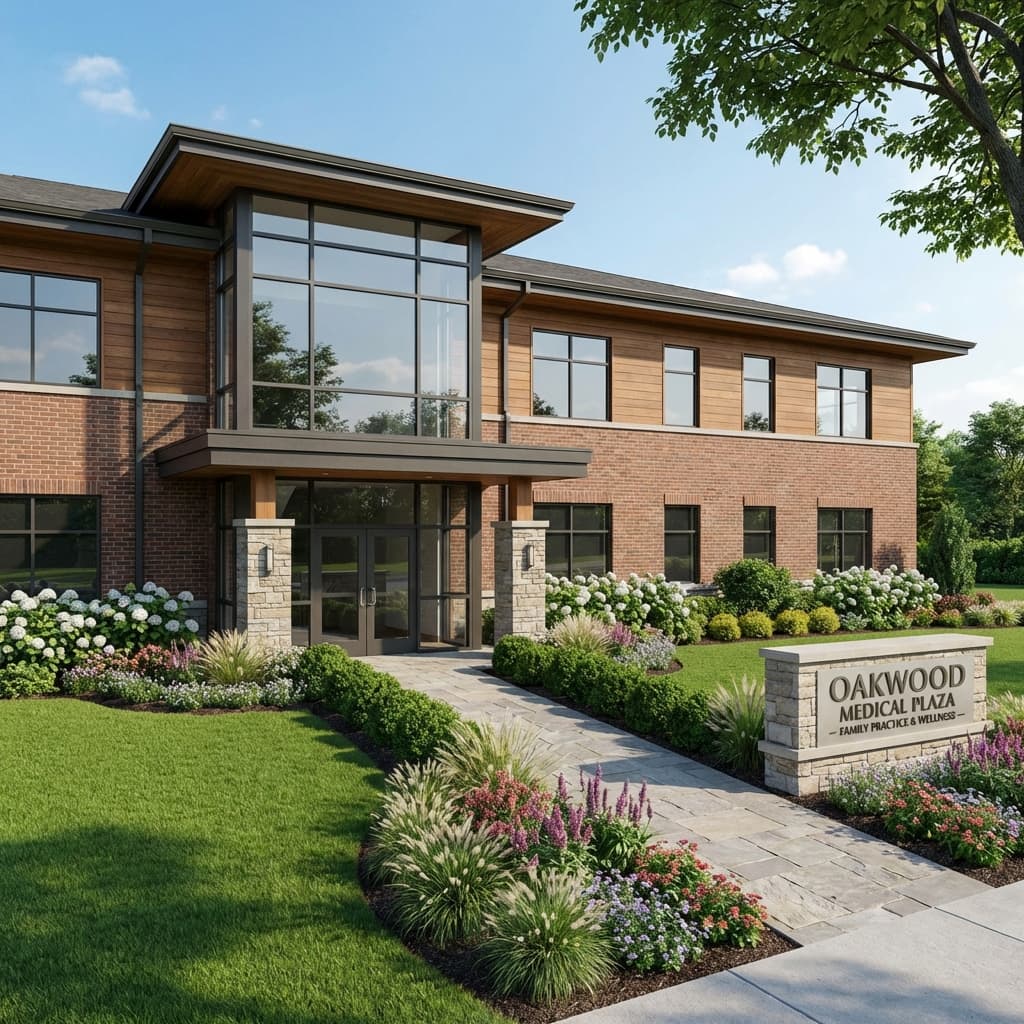
Back to Articles
Commercial Property Maintenance Jacksonville: Keep Your Business Looking Professional Year-Round
Lawn Care January 27, 2026 9 min read
For current costs, compare the exact product or written project scope. See what to include in a sod estimate; this guide does not establish a current price, saving or resale return.
First Impressions Start at the Curb
I was consulting with a business owner on Southside Boulevard last month whose office building looked tired. Overgrown shrubs blocked the entrance sign, turf had brown patches, and beds were more weeds than mulch. He mentioned losing a potential client who commented on the "rundown" appearance. Three weeks after getting the landscape sorted, he signed two new contracts. Coincidence? Maybe. But I've seen this pattern too many times to think landscaping doesn't matter.
Your commercial property's landscape is working 24/7—either attracting business or quietly turning people away. In Jacksonville's competitive market, from the Northside business parks to Deerwood's office corridors, your exterior maintenance speaks volumes about your operation before anyone walks through the door.
What Commercial Property Maintenance Actually Means
Commercial maintenance isn't just "someone comes and mows." It's a comprehensive system that keeps your property looking professional through Jacksonville's challenging conditions—brutal summer heat, surprise cold snaps, afternoon deluges, and weeks of drought.
A solid commercial maintenance program addresses turf care, shrub pruning, irrigation management, seasonal color rotation, mulch renewal, debris removal, and storm response. Miss any piece and the whole presentation suffers.
The properties that look consistently good aren't spending dramatically more—they're spending smarter, with proactive maintenance instead of reactive crisis management.
Sandy Soil and Nutrient Management
Jacksonville's sandy soil—especially prevalent in areas like Mandarin, Arlington, and along the Beaches—creates specific challenges for commercial properties. Sand drains fast, which is great for preventing standing water but terrible for holding nutrients and moisture.
This means commercial landscapes need regular fertilization and proper irrigation scheduling. You can't just install plants and expect them to thrive. Those beautiful office parks you see along Butler Boulevard? They're on consistent fertilization programs tailored to sandy soil conditions.
Heat and Humidity Extremes
Summer temperatures regularly hit the mid-90s, but with our humidity, it feels like 110°F. Plants are stressed, turf growth explodes, and irrigation demands spike. This is when poor plant choices become obvious and when maintenance intensity peaks.
Your maintenance program needs to account for this seasonal variation. What works in April won't work in August, and trying to maintain consistent service levels year-round wastes money and produces poor results.
Storm Damage and Recovery
We're not in the direct hurricane crosshairs like South Florida, but we get our share of tropical systems, plus regular thunderstorms that can down branches and scatter debris. Commercial properties need rapid response capabilities—you can't have fallen branches blocking your entrance for three days while waiting for cleanup.
Properties near the water—like those along Riverside Avenue or in the Southbank area—face additional challenges from salt spray and wind exposure. Plant selection and maintenance practices need to account for these microclimate differences.
Turf Management
Most commercial properties in Jacksonville use St. Augustine grass, and maintaining it properly makes or breaks your overall appearance. Brown, patchy turf ruins even the most expensive landscape design.
Mowing frequency varies seasonally. Peak summer growth means weekly mowing; winter might stretch to every two weeks. Height matters too—St. Augustine should be maintained at 3.5-4 inches. Those properties with super-short lawns that look scalped? They're inviting weeds and stress.
Fertilization should happen 4-5 times per year in our climate. I recommend slow-release formulations that provide consistent feeding without the boom-bust cycle of quick-release fertilizers. Spring, early summer, late summer, and fall applications keep turf healthy without excessive growth.
Irrigation is where most commercial properties waste money. St. Augustine needs about an inch of water weekly, including rainfall. More than that and you're paying for water, increased mowing, and inviting disease. Install rain sensors and adjust timers seasonally—there's no reason to irrigate the same in February as in July.
Pest and disease management requires vigilance. Chinch bugs love our hot summers and can destroy large turf areas quickly. Gray leaf spot shows up during humid periods. Catch these early and treatment is straightforward; miss them and you're looking at expensive replacement.
Shrub and Tree Care
Overgrown shrubs scream neglect. Proper pruning maintains the design intent while keeping plants healthy and in proportion to the space.
Most shrubs need pruning 2-4 times yearly depending on growth rate. Clusia hedges—popular around Jacksonville—grow aggressively and need frequent attention. Loropetalum and Indian hawthorn are more moderate. Know your plants' growth habits and schedule accordingly.
Never shear everything into tight balls—that outdated style looks artificial and stresses plants. Proper pruning maintains natural form while controlling size. When you see those office complexes near St. Johns Town Center with beautifully shaped shrubs that still look natural? That's proper pruning technique.
Trees need different attention. Young trees require corrective pruning to develop strong structure. Mature trees need occasional thinning to reduce wind resistance and remove dead wood. Palms—especially sabal palms common in commercial landscapes—need annual frond removal to look maintained.
Bed Maintenance
Landscape beds frame your property and set off planted areas from turf. When bed maintenance slips, the entire landscape looks unkempt.
Mulch should be refreshed twice yearly—spring and fall. A fresh 2-3 inch layer suppresses weeds, retains moisture, moderates soil temperature, and makes everything look cared for. Pine bark or melaleuca mulch last longer in our climate than cheaper alternatives.
Edging keeps beds defined and prevents turf from invading. Clean bed lines make properties look professional. This should be addressed during every maintenance visit—not just when it gets out of hand.
Weed control requires both pre-emergent and post-emergent approaches. Pre-emergent applications prevent most weed seeds from germinating; hand-pulling or spot-treating takes care of the rest. Those properties with weed-free beds aren't lucky—they're on consistent programs.
Seasonal Color Programs
Many commercial properties rotate annual color to maintain consistent visual impact. This isn't essential, but it elevates appearance and shows attention to detail.
Spring/Summer options for Jacksonville include pentas, zinnias, torenia, and sun-tolerant coleus. These handle our heat and humidity when properly located and irrigated.
Fall/Winter brings pansies, violas, snapdragons, and dianthus. These thrive in our mild winters and provide color when many other plants are dormant.
Rotating color three times annually—spring, summer, and fall—keeps beds looking fresh. This requires planning and coordination, but the impact is significant for properties where appearance drives business.
Weekly Services
Core maintenance happens weekly during growing season:
- Mowing and edging turf areas
- Blowing debris from hardscapes
- Spot-treating weeds
- Quick inspection for issues
This keeps properties consistently presentable and catches problems before they escalate.
Monthly Services
Some tasks make sense monthly:
- Detailed shrub pruning
- Irrigation system checks
- Pest and disease monitoring
- Fertilization (during application months)
Quarterly Services
Larger tasks happen quarterly:
- Mulch refresh (spring and fall)
- Irrigation system audits
- Tree pruning and thinning
- Deep bed renovation
Storm Response
Have a clear plan for storm cleanup. Properties should be debris-free within 24-48 hours of a storm event. This requires contractors who prioritize your property and have adequate equipment and staff.
Smart Design Reduces Maintenance Costs
If you're planning renovations or new construction, design choices dramatically impact long-term maintenance costs.
Choose appropriate plants—not what looks good at the nursery, but what thrives in your specific microclimate. That spot with reflected heat from parking lot asphalt? It needs different plants than the shaded area behind your building.
Reduce turf areas where possible. Turf requires the most intensive (and expensive) maintenance. Expanding bed areas with groundcovers and shrubs often looks better and costs less long-term.
Install quality irrigation from the start. Cheap irrigation systems fail regularly and waste water. Proper design, quality components, and smart controllers save money every month.
Plan for maintenance access—Don't place plants where they'll eventually block access to electrical panels, HVAC units, or building maintenance needs. I've seen too many properties where mechanicals are hidden behind plants that then require constant pruning or eventual removal.
What to Look For
Not all landscape companies understand commercial maintenance. Residential landscaping and commercial work require different approaches, equipment, and scheduling.
Look for companies with commercial-specific experience in Jacksonville. They should understand our climate, common plant problems, and the pest/disease issues we face locally.
Proper insurance and licensing aren't optional—you're liable for accidents on your property. Verify coverage before signing contracts.
Consistent crews matter more than you'd think. When the same people service your property, they know its quirks, catch problems early, and take pride in results. High crew turnover often signals company problems.
Communication and Accountability
Establish clear communication protocols. You need a responsive point of contact who can address issues quickly—not a black hole where concerns go to die.
Many properties benefit from scheduled property walks with account managers—monthly or quarterly reviews where you walk the property together, address concerns, and plan upcoming needs.
Photo documentation helps track progress and hold everyone accountable. Before/after photos of problem areas, seasonal changes, and improvement projects create clear records.
Contract Considerations
Good contracts specify exactly what services happen at what frequency. Vague contracts lead to disputes and disappointment.
Include response time requirements for routine service and storm cleanup. If your property needs to be serviced by 8 AM before customers arrive, that needs to be in writing.
Address seasonal variation in pricing and service levels. Fixed-price contracts covering summer and winter equally often mean you're overpaying in winter or getting inadequate service in summer.
Budgeting for Commercial Maintenance
Commercial landscape maintenance typically runs 15-40 cents per square foot annually, depending on intensity level, property characteristics, and service inclusions.
Properties with more hardscape and less turf generally cost less to maintain. High-visibility properties requiring premium appearance cost more than industrial sites with basic maintenance needs.
Deferred maintenance always costs more long-term. Skipping that shrub pruning means more expensive renovation later. Ignoring irrigation repairs means water waste and stressed plants. The properties with the best-looking landscapes at the lowest cost are the ones with consistent maintenance—not the ones cutting corners.
Capital Reserve Planning
Beyond ongoing maintenance, plan for eventual replacement and upgrades. Landscapes have lifespans—plants mature and decline, irrigation systems age, hardscapes deteriorate. Budget for these eventual needs instead of facing surprise expenses.
Office Buildings
Professional appearance is critical. Tenants and clients form impressions immediately. Office buildings typically need higher maintenance intensity with special attention to entrance areas and front elevation.
Retail Centers
High visibility and customer experience drive maintenance decisions. Parking lot islands, entrance landscaping, and signage visibility require consistent attention. Customer safety—maintaining clear sightlines and preventing trip hazards—is paramount.
Medical Facilities
Healthcare properties need meticulous maintenance. Patients and families associate property appearance with care quality. Avoid plants with heavy pollen loads or strong fragrances near entrances. Accessibility and ADA compliance around planted areas needs constant attention.
Industrial Properties
Even industrial sites benefit from basic maintenance. Clean, maintained properties attract better tenants, reduce liability, and maintain property values. Maintenance can be less intensive than office properties, but shouldn't be neglected entirely.
Sustainability and Water Management
Jacksonville's increasing focus on water conservation affects commercial properties. Smart irrigation controllers, drought-tolerant plant selections, and efficient maintenance practices reduce water use while maintaining appearance.
Properties with Florida-Friendly Landscaping™ certification often see reduced operating costs alongside environmental benefits. The principles—right plant, right place; efficient irrigation; proper fertilization—align with good commercial maintenance practice.
The Bottom Line
Commercial property maintenance in Jacksonville requires understanding our unique climate, consistent service execution, and proactive problem-solving. The properties that look great year-round have systems in place—not just someone who shows up to mow.
Whether you're managing a single office building in Riverside or multiple properties across Jacksonville, the principles remain the same: choose appropriate plants, maintain consistently, work with knowledgeable professionals, and address problems before they become crises.
Your commercial landscape isn't an expense—it's an investment in your property value, tenant satisfaction, and business success. Treat it accordingly, and the returns are substantial. Neglect it, and you're silently turning away the very people you're trying to attract.
Need Professional Sod Installation?
Jax Sod provides sod installation, sod replacement, and new lawn installation across Jacksonville and Northeast Florida. Free quotes!
Related Articles
December Lawn Care Jacksonville FL: Year-End Maintenance
Complete December lawn care guide for Jacksonville, Florida. Year-end maintenance, winterization strategies, and preparation tips for St. Augustine and warm-season grasses in Zone 9a/9b.
Evergreen Shrubs Jacksonville FL: Year-Round Privacy & Beauty
Discover the best evergreen shrubs for Jacksonville's Zone 9a/9b climate. Get expert recommendations for privacy hedges, foundation plantings, and low-maintenance landscapes that thrive in North Florida.
Multi-Family Property Lawn Care Jacksonville: Maintaining Curb Appeal That Attracts and Retains Residents
Multi-Family Property Lawn Care Jacksonville: Maintaining Curb Appeal That Attracts and Retains Residents. Review the site, scope and current written quote before deciding.
Let’s talk about your lawn
Ask our AI assistant a lawn question, or send the team a free installation estimate request.