Loading...
Back to Articles
Office Park Landscaping Jacksonville FL: Creating Professional Environments That Attract and Retain Tenants
Landscaping January 27, 2026 10 min read
For current costs, compare the exact product or written project scope. See what to include in a sod estimate; this guide does not establish a current price, saving or resale return.
Set irrigation from site conditions and the current rules for your property and water source. For new sod, use the dated care planner; a fixed schedule in an older guide is not permission to water.
Why Office Park Landscaping Matters More Than Ever
Drive through Deerwood or along Southside Boulevard, and you'll notice something: the office parks with beautiful, well-maintained landscapes stay full while properties with tired, neglected grounds struggle with vacancies. This isn't coincidence.
In today's competitive office market—especially with remote work changing how companies think about space—physical environments matter enormously. Your landscape isn't decoration; it's a key component of tenant attraction and retention. Employees want to work in environments that feel cared for, and companies increasingly understand that workplace quality affects recruitment and satisfaction.
I've watched office parks in Jacksonville transform through landscape improvements, seeing occupancy rates climb and tenant renewals increase. The investment pays off, but it requires understanding what makes office park landscaping different from other commercial properties.
Multiple Stakeholders, Multiple Needs
Your landscape needs to satisfy all these stakeholders while staying within budget. That's more complex than it sounds, because what matters to ownership (curb appeal, property values) sometimes differs from what matters to tenants (shade, pleasant outdoor spaces for breaks).
The best office park landscapes address both—creating visual impact that drives leasing while providing functional outdoor environments that keep tenants happy.
Scale and Complexity
Office parks typically manage large areas with diverse landscape zones: building entrances, parking lot islands, perimeter buffers, common areas, retention ponds, and sometimes amenity spaces like courtyards or walking trails.
Each zone has different maintenance needs and visibility levels. Smart office parks tier maintenance intensity, focusing resources on high-impact areas while maintaining functional zones efficiently.
Jacksonville's Climate Impact
Our Zone 9a/9b climate, sandy soil, and weather extremes create specific challenges for office park landscapes. Summer heat stresses plants and turf, afternoon thunderstorms dump inches of rain, and occasional freezes knock back tropical specimens.
Office parks designed for other climates often fail here. That's why you see some properties constantly replacing plants while others thrive with minimal issues—plant selection and design appropriate for Jacksonville's specific conditions makes the difference.
Creating Positive First Impressions
Your entrance landscape makes or breaks first impressions. Prospective tenants form opinions within seconds of arriving, and that entrance experience influences their entire perception.
Monument signage surrounded by well-designed, immaculately maintained plantings signals quality. This isn't where you use builder-grade shrubs and call it done. Signature plantings here—maybe a well-placed crape myrtle cluster, architectural grasses, or distinctive palms—create memorable entrances.
Seasonal color at entrances provides visual interest year-round. Rotating pansies in winter and heat-tolerant options like pentas in summer keeps things fresh. Yes, this costs more than permanent plantings alone, but the impact on perception significantly exceeds the cost.
Clear wayfinding integrated with landscaping helps visitors navigate easily. Frustration trying to find Building C doesn't create positive associations with your property.
Building Entrance Landscaping
Each building entrance needs thoughtful attention. These are transition zones between parking and interior—where employees arrive, where clients enter, where food delivery happens dozens of times daily.
Appropriate scale matters. Shrubs should frame entrances without overwhelming them or requiring constant pruning to maintain clearances. I see too many properties where plantings were fine at installation but grew into entrances within three years.
Safety considerations include maintaining clear sightlines, adequate lighting, and preventing slip hazards. That gorgeous groundcover that's great elsewhere might create liability issues on slopes near entrance walks.
Weather protection helps too. A well-placed tree providing afternoon shade makes the walk from parking lot to building more pleasant during Jacksonville summers. That matters for employee satisfaction.
Parking Lot Islands and Buffers
Parking lot landscapes serve multiple purposes: breaking up asphalt expanses, providing shade, managing stormwater, and creating visual interest.
Shade trees in parking areas reduce heat island effects and make a surprising difference in comfort. Cars parked under live oaks emerge tolerable; cars baking in full sun become ovens. This seemingly small detail affects daily employee experience.
Low-maintenance plantings make sense here. Parking islands get harsh conditions—reflected heat, occasional vehicle damage, compacted soil, salt exposure in the rare times we get winter treatment. Choose tough plants: coontie palms, muhly grass, shore juniper.
Stormwater management often happens in parking areas through bioswales or retention features. These can be attractive landscape elements when properly designed, not just utilitarian drainage.
Common Areas and Amenity Spaces
Progressive office parks increasingly include outdoor amenity spaces—courtyards, walking trails, seating areas—that support tenant attraction and employee wellness.
Outdoor work spaces with shade, seating, and WiFi are becoming standard expectations. A few well-placed tables under a tree canopy provide flexible workspace that employees value.
Walking trails around property perimeters or through landscaped areas support employee wellness and provide break-time amenities that companies appreciate. Even a quarter-mile loop makes a difference.
Gathering spaces for casual meetings, lunches, or breaks benefit from landscape elements that create sense of enclosure and comfort—not just picnic tables in the middle of mowed turf.
Trees for Structure and Shade
Trees provide the biggest landscape impact but require long-term thinking. What you plant today shapes your property for decades.
Live oaks remain the gold standard for Jacksonville landscapes when you have space. They provide massive shade, live centuries, and handle our climate beautifully. Yes, they get large—that's the point. Plan for mature size or don't plant them.
Crape myrtles offer manageable size, seasonal interest, and reliable performance. Newer varieties resist powdery mildew better, which matters in our humidity. Use them as medium-sized specimens or in clusters for impact.
Palms provide instant "Florida" character. Sabal palms are native, cold-hardy, and virtually bulletproof. Sylvester date palms offer more tropical appearance but need occasional freeze protection. Avoid queen palms—they're declining from lethal bronzing disease across Florida.
Avoid Bradford pears (weak structure, storm damage), leyland cypress (decline issues, disease), and anything not cold-hardy to Zone 9a unless you're prepared for occasional replacement.
Foundation Shrubs That Actually Work
Foundation plantings frame buildings and provide visual weight. They need to look good year-round and handle our climate without constant attention.
Dwarf yaupon holly is nearly indestructible—drought-tolerant once established, handles sun or part shade, minimal pest problems. Use it where you need reliable, evergreen structure.
Loropetalum (purple or green) provides color and texture without the rigid appearance of some alternatives. It handles Jacksonville's conditions well and requires only occasional pruning to maintain shape.
Indian hawthorn offers spring flowers, manageable size, and good heat tolerance. Pink or white varieties are available. Give it decent drainage and it'll thrive.
Skip plants that struggle here: boxwood (too humid, pest issues), azaleas in full sun (stress and lace bug problems), and anything requiring constant shearing to look decent.
Groundcovers and Grasses
Groundcovers provide alternatives to turf in appropriate locations, reducing maintenance while adding texture and interest.
Asiatic jasmine is the workhorse groundcover for Jacksonville—handles shade, spreads reliably, outcompetes weeds, and looks decent year-round. Not exciting, but dependable.
Coontie palm works as a groundcover at larger scale. It's native, drought-tolerant when established, and has wonderful texture. Perfect for parking islands and lower-maintenance zones.
Muhly grass provides seasonal drama—especially in fall when pink seed heads glow in sunlight. Use it in masses for impact, not as scattered specimens.
Liriope handles shade well and creates defined edges. It's overused, but there's a reason—it works reliably in difficult situations.
System Design Considerations
Office park irrigation systems need to handle diverse zones efficiently. Turf areas, shrub beds, trees, and parking islands all have different water needs.
Zoning by water needs prevents waste. Your drought-tolerant coontie palms don't need the same irrigation as turf areas. Separate zones allow appropriate watering for each plant community.
Controllers and sensors should be sophisticated—rain sensors at minimum, smart controllers that adjust for weather even better. The technology exists to dramatically reduce water waste; use it.
Regular maintenance prevents minor issues from becoming expensive problems. Broken sprinkler heads, misaligned zones, and controller malfunctions waste water and stress plants.
Seasonal Adjustments
Irrigation needs change dramatically through Jacksonville's seasons. Running the same program in February as August wastes water and money.
But water early morning—pre-dawn irrigation allows grass to dry during the day, reducing fungal problems.
Winter programs can often drop to once weekly or less. St. Augustine goes dormant, and our winter rainfall usually provides adequate moisture. There's zero reason to irrigate when it rained yesterday.
Transition seasons (spring and fall) need moderate programs. These are also good times for irrigation audits—check system performance before peak demand hits.
Core Services
Office parks need comprehensive maintenance programs that keep properties consistently presentable:
Weekly services during growing season include mowing, edging, bed maintenance, debris removal, and basic monitoring. This maintains baseline appearance and catches problems early.
Monthly services typically include detailed shrub pruning, irrigation system checks, and thorough property inspections.
Quarterly services address larger needs: mulch refresh, tree pruning, irrigation audits, deep bed renovation.
Storm response should be clearly defined. Office parks need debris cleared quickly—blocked entrances or downed branches create safety issues and look terrible.
Quality Control
Consistency matters more than intensity. Properties maintained at moderate levels consistently look better than those alternating between intensive service and neglect.
Regular property walks with maintenance contractors allow proactive planning. Identify issues before they become problems—that declining shrub gets replaced before it dies, irrigation issues get fixed before sections of turf die.
Photo documentation tracks conditions over time. Before/after photos of problem areas, seasonal changes, and improvement projects create clear accountability.
Tenant feedback provides ground-truth perspective. The people working in your buildings notice things property managers might miss—irrigation overspray on cars, debris accumulation, pest issues.
Sustainability and Green Building Standards
Many office tenants now expect environmental responsibility. LEED certification and similar standards often include landscape requirements.
Water conservation through efficient irrigation, drought-tolerant plants, and smart controllers addresses both environmental and economic concerns.
Native plant integration where appropriate supports local ecosystems while typically reducing maintenance needs.
Integrated pest management minimizes chemical use through monitoring, cultural practices, and targeted treatments only when necessary.
Food Service Areas
Office parks with cafeterias or outdoor dining need landscapes that complement these spaces without creating maintenance issues.
Avoid plants that drop debris constantly—crape myrtles near outdoor dining areas create cleaning headaches. Skip anything with aggressive roots near paving or utilities.
Include shade for comfort, perhaps strategic screening for privacy, and plants that aren't magnets for stinging insects.
Parking Garage Plantings
Parking garages present unique challenges—limited soil depth, reflected heat, reduced light, structural load limits.
Container plantings often work better than in-ground beds. They're more flexible, easier to maintain, and avoid structural concerns.
Tough plant choices only. Conditions are harsh, and maintenance access can be difficult. If it can't handle neglect, it won't work in garage applications.
Understanding Costs
Office park landscape maintenance costs vary based on property size, maintenance intensity, and landscape complexity. Large properties with extensive turf and high-visibility requirements naturally cost more than smaller properties with predominantly low-maintenance plantings.
As a rough guide, expect annual maintenance to run 15-45 cents per square foot depending on intensity and site characteristics. Capital improvements and renovations are additional.
Capital Reserve Planning
Beyond ongoing maintenance, plan for major landscape investments: irrigation system replacement, mature tree removal or replacement, complete bed renovations, and storm damage.
Properties that budget for these eventual needs avoid crisis spending. A irrigation system has a 15-20 year lifespan; plan for eventual replacement rather than treating it as a surprise expense.
Quality landscaping affects property values and tenant retention.
Properties with professional, well-maintained landscapes lease faster, command higher rates, and retain tenants longer. Deferred maintenance saves money short-term but costs significantly more long-term through lower occupancy and property values.
Selecting Contractors
Choose contractors with specific office park experience in Jacksonville. Managing properties of this scale and complexity requires different capabilities than residential work.
Check references from similar properties. Ask about communication, problem resolution, service consistency, and how they handle unexpected situations.
Verify credentials—proper licensing, insurance, and safety programs. Office parks have significant liability exposure; your contractor's professional practices protect your property.
Contract Structures
Most office parks use comprehensive service contracts covering regular maintenance, specified materials, and defined response times. This provides budget predictability and service consistency.
Clearly define service frequencies, quality standards, and performance expectations. Vague contracts lead to disputes.
Include seasonal variation in pricing or service levels. Fixed prices across seasons often mean overpaying in winter or inadequate service in summer.
Address storm response, emergency repairs, and major project management. Having these protocols established before you need them prevents confusion during crises.
The Bottom Line
Office park landscaping in Jacksonville requires understanding our specific climate, strategic resource allocation, and consistent maintenance execution. The properties that succeed long-term invest appropriately, plan proactively, and work with knowledgeable professionals.
Your landscape significantly impacts property performance—affecting tenant attraction, retention, and property values. Treat it as the strategic asset it is, not just an operating expense to minimize.
Whether you're managing an established office park in Deerwood or a new development near Town Center, these principles apply: design for Jacksonville's climate, maintain consistently, focus resources strategically, and plan for long-term success.
The office parks that thrive are the ones where landscaping gets the attention and resources it deserves. They're not spending more—they're spending smarter, with better results for ownership, tenants, and employees alike.
Need Professional Sod Installation?
Jax Sod provides sod installation, sod replacement, and new lawn installation across Jacksonville and Northeast Florida. Free quotes!
Related Articles
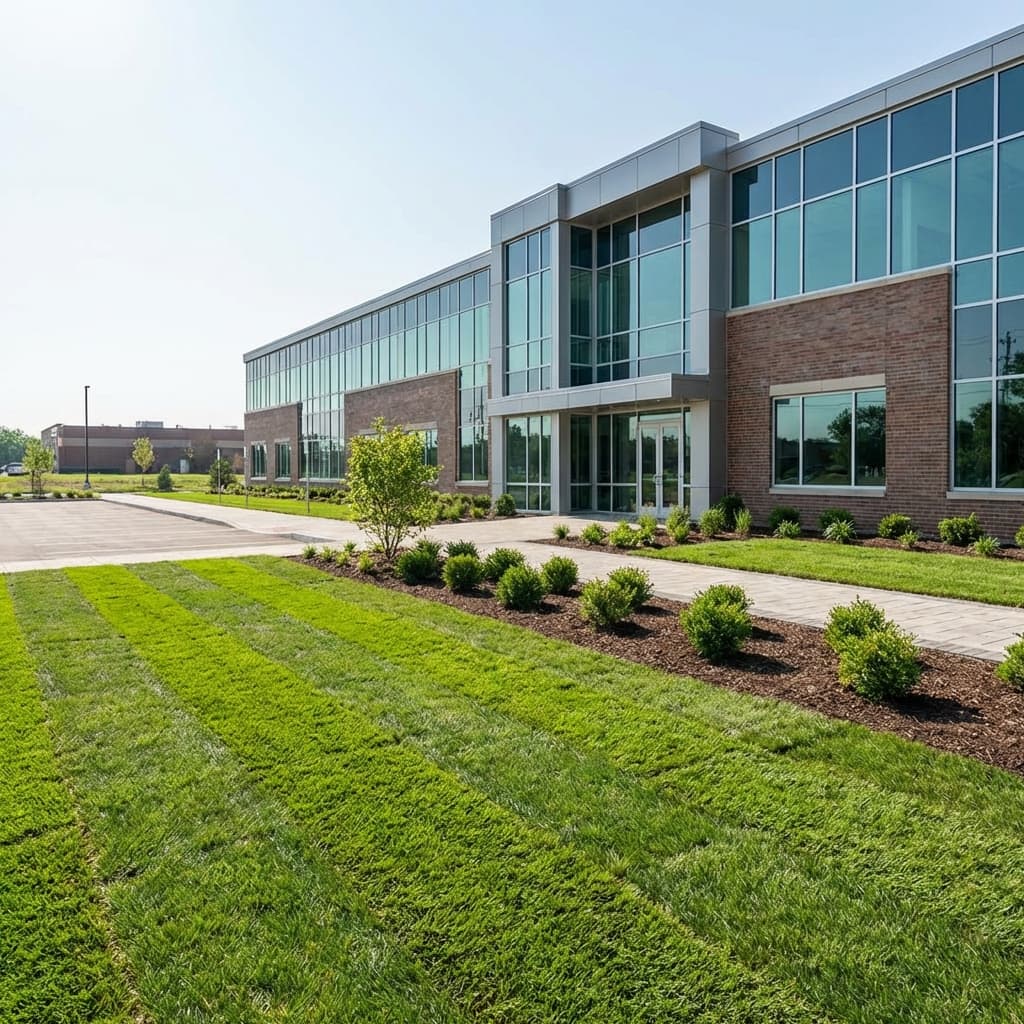
Apartment Complex Landscaping Jacksonville: Creating Curb Appeal That Lasts
Expert guide to apartment complex landscaping in Jacksonville. Learn how to design low-maintenance, attractive landscapes that handle Florida's Zone 9a/9b climate and keep residents happy.
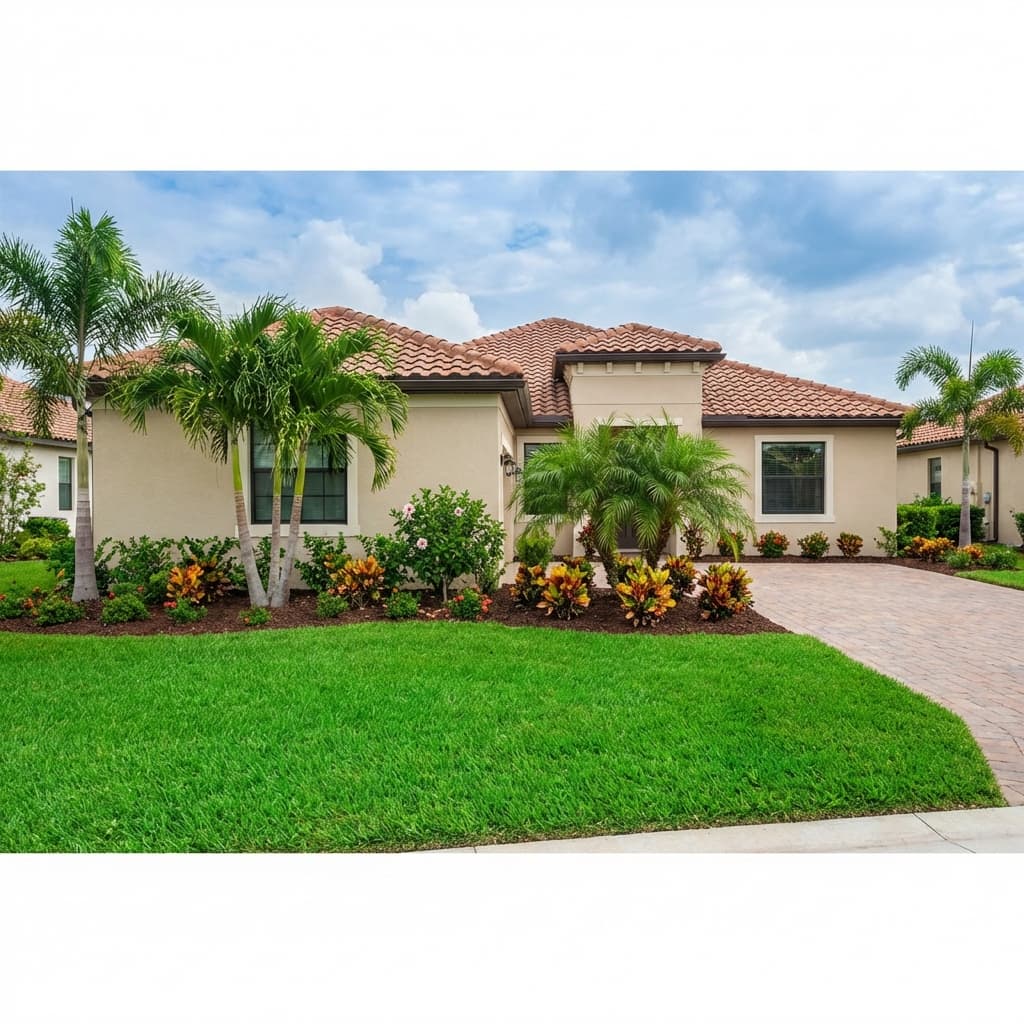
Retail Center Landscaping Jacksonville: Creating Shopping Experiences That Drive Traffic
Retail Center Landscaping Jacksonville: Creating Shopping Experiences That Drive Traffic. Review the site, scope and current written quote before deciding.
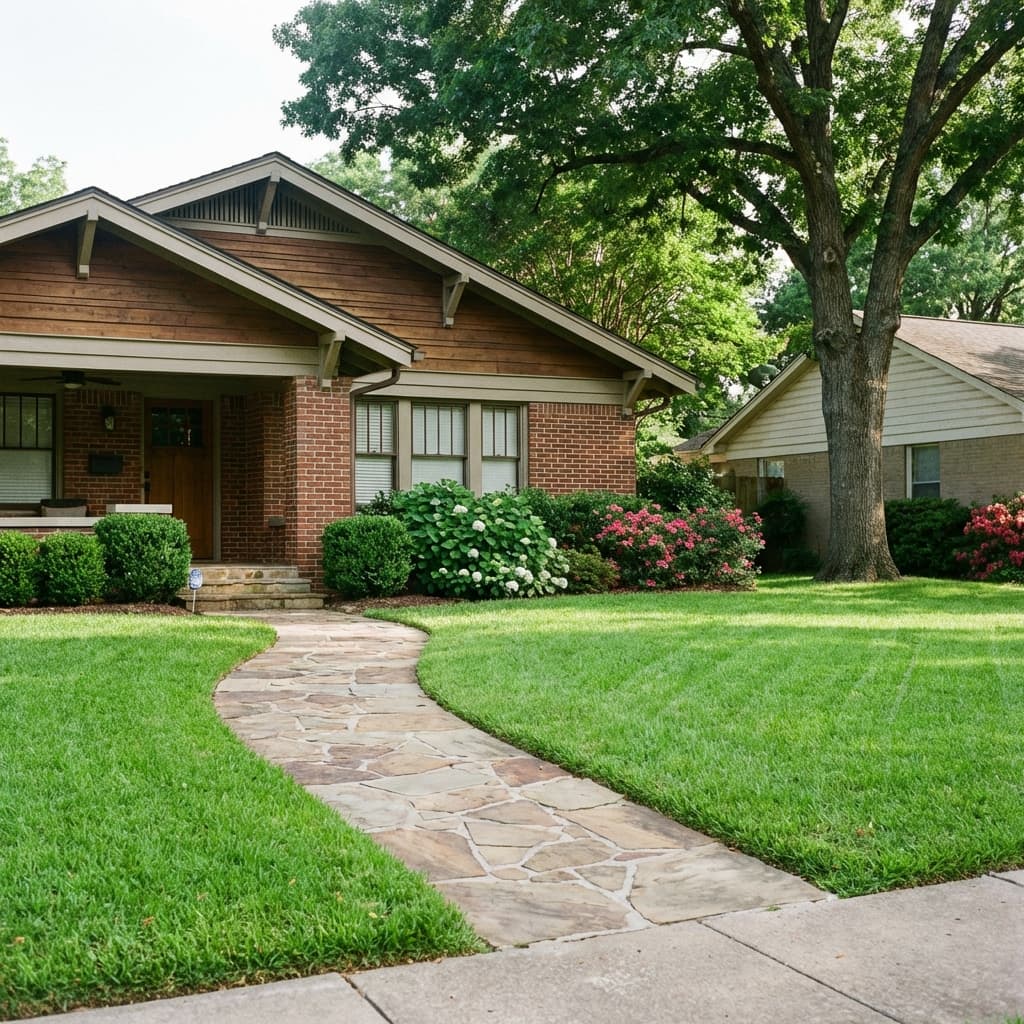
Pool Landscaping Ideas for Jacksonville, FL Homes: Creating Your Backyard Paradise
Discover expert pool landscaping ideas specifically designed for Jacksonville's unique climate. From the best poolside grass options to low-maintenance plants and effective drainage solutions.
Let’s talk about your lawn
Ask our AI assistant a lawn question, or send the team a free installation estimate request.