Loading...
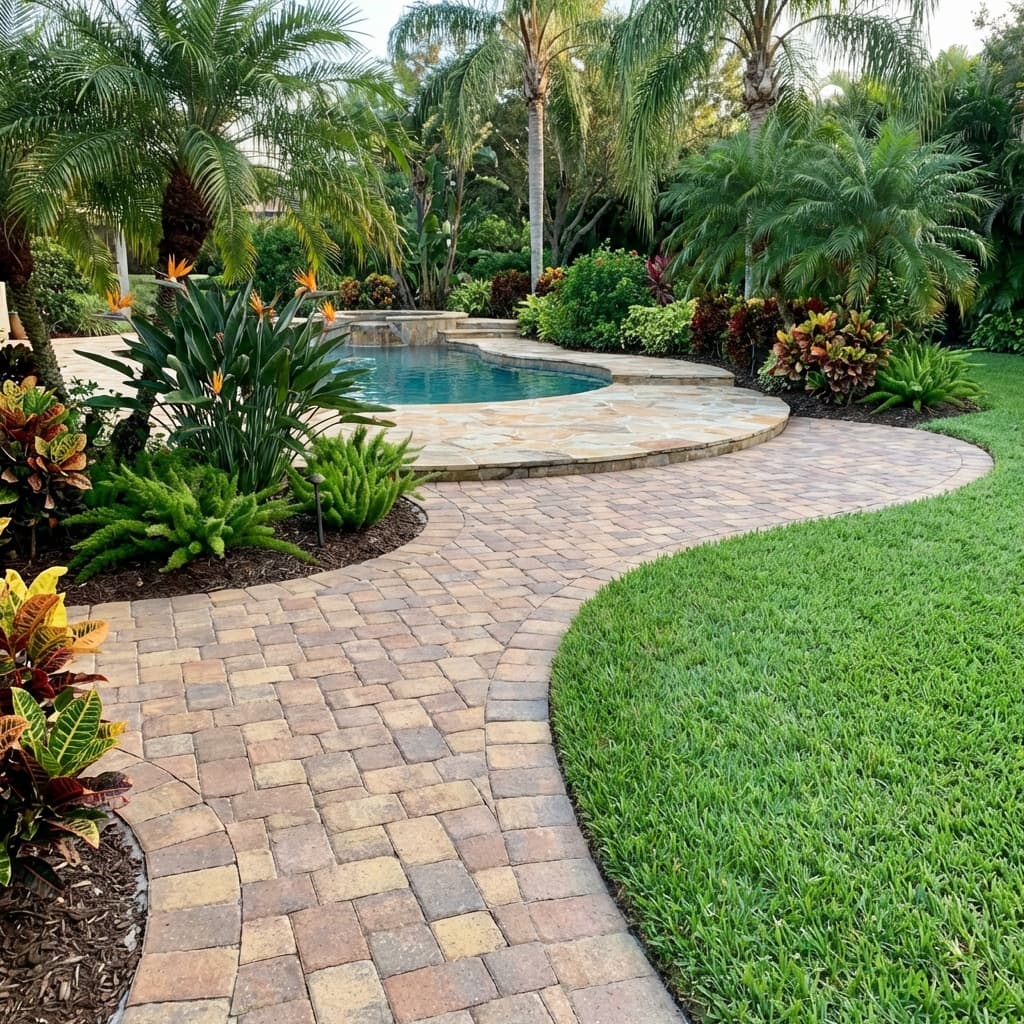
Stepping stones add charm and function to any Jacksonville yard. Whether you're creating a path through your garden in Riverside, connecting your driveway to the front door in Mandarin, or making a shortcut across the lawn at your Atlantic Beach cottage, stepping stones solve the muddy-feet problem we all know too well after summer storms.
I've laid hundreds of stepping stone paths across Jacksonville, and I can tell you—our sandy soil makes this project easier than you'd think. The key is working with our climate and drainage patterns, not against them.
Why Stepping Stones Work Well in Jacksonville
Our sandy soil drains quickly, which is great for stepping stone installation. You won't fight standing water or heavy clay like folks do in other parts of the country. The downside? Sand shifts. A poorly installed path will settle unevenly, creating trip hazards and wobbling stones.
Stepping stones also keep foot traffic off your turf, which matters if you've invested in St. Augustine sod or recently overseeded. They create visual interest, guide visitors through your landscape, and reduce compaction in high-traffic areas.
Material Options
Natural Stone: Flagstone, bluestone, and fieldstone work beautifully in Jacksonville landscapes. They handle heat well, don't fade, and develop character over time. Flagstone is common around here—you'll see it in upscale neighborhoods like Deerwood and Nocatee.
Concrete Pavers: More affordable and available in various shapes and colors. Modern concrete pavers mimic natural stone convincingly. They're uniform in size, which makes spacing easier.
Reclaimed Materials: Old bricks, salvaged pavers, or flat river rocks add a rustic touch. I've used reclaimed coquina stone (a Florida native limestone) for paths near historic homes in San Marco and Springfield.
Size and Shape
For comfortable walking, stepping stones should be at least 12-16 inches across. Smaller stones work for decorative paths where you're not carrying groceries or tools.
Irregular shapes (like flagstone) create an organic look. Uniform shapes (like square pavers) feel more formal. Match your choice to your home's style.
Thickness Matters
Stones should be at least 1.5-2 inches thick to avoid cracking under weight. Thicker stones (3-4 inches) handle heavy traffic better and are less likely to shift in our sandy soil.
Planning Your Path
Before buying materials, plan your route:
Determine Your Path's Purpose
- Functional paths: From driveway to front door, side gate to backyard, garage to shed. These need consistent spacing and a straight or gently curved route.
- Decorative paths: Meandering through garden beds, around trees, near ponds or water features. These can be more artistic with irregular spacing.
Measure and Mark
Walk your intended path naturally. Have someone watch your stride and mark where your feet land. This gives you realistic spacing—usually 18-24 inches between stone centers for adults.
Use spray paint, flags, or a garden hose to outline the path. Live with the layout for a few days. Walk it multiple times. Does it feel natural? Do you cut corners? Adjust before committing.
Check for Underground Utilities
Call 811 before digging. Even shallow excavation can hit irrigation lines, electrical conduit, or cable. I once helped a homeowner in Baymeadows who sliced through their sprinkler mainline with a shovel—not a fun repair.
Gathering Materials and Tools
Materials:
- Stepping stones (calculate based on your path length and spacing)
- Coarse sand or decomposed granite (for base layer)
- Landscape fabric (optional, helps prevent weed growth)
- Polymeric sand or fine gravel (for joints, optional)
Tools:
- Spade or flat shovel
- Hand tamper or rubber mallet
- Level
- Tape measure
- Rake
- Wheelbarrow
- Work gloves
- Knee pads (trust me on this one)
Most of these are available at local hardware stores. For natural stone, check out landscape supply yards on San Jose Boulevard or Beach Boulevard—they usually have better selection and bulk pricing.
Step 1: Prepare the Site
Clear the path area of grass, weeds, and debris. If you're cutting through St. Augustine turf, use a flat spade to remove sod in neat sections. You can replant these elsewhere in your yard.
For paths through mulched areas or bare soil, just clear the surface layer.
Step 2: Excavate for Each Stone
Rather than trenching the entire path, I prefer excavating individual holes for each stone. This method works well in Jacksonville's sandy soil and gives you more control over leveling.
Dig each hole about 1-2 inches deeper than your stone's thickness. The hole should be slightly larger than the stone itself—about an inch wider on all sides.
Step 3: Create a Sand Base
Pour 1-2 inches of coarse sand into each hole. This creates a stable, adjustable base that drains well—perfect for our climate.
Tamp the sand firmly with a hand tamper. Don't skip this step. Loose sand will settle over time, and your stones will sink unevenly.
Step 4: Set the Stones
Place each stone in its hole and press down firmly. The top surface should sit just at or slightly above ground level—about 1/2 inch above surrounding turf or soil.
Why slightly elevated? Mulch builds up, grass grows, and soil settles. Starting a bit high prevents stones from disappearing over time.
Step 5: Level and Adjust
Use a level to check each stone. They should sit flat without rocking. If a stone wobbles, lift it out and adjust the sand base underneath.
For paths across slopes (common in neighborhoods like Ortega or near the Intracoastal), step stones down gradually. Each stone should be level individually, even if the overall path descends.
Step 6: Backfill Around Stones
Fill gaps around each stone with the excavated soil or additional sand. If your path runs through turf, pack soil around the stones and fill with matching grass plugs or seed (though remember, St. Augustine doesn't grow from seed—you'll need plugs or sod).
For mulched areas, backfill with soil and top with fresh mulch to match the surrounding bed.
Step 7: Compact and Finish
Walk on each stone and test for movement. Wiggle them gently. If any rock or shift, lift them out and add more sand underneath, then re-level.
If you're using polymeric sand (a sand that hardens when wet), sweep it into the joints between stones and mist lightly with water. This locks everything in place and reduces weed growth.
Sandy Soil and Settling
Our soil drains fast but doesn't hold shape well. Over time, stepping stones can sink, especially in high-traffic areas. To minimize settling:
- Compact the sand base thoroughly before setting stones
- Use larger, heavier stones that resist movement
- Check your path seasonally and add sand under any sunken stones
Summer Storms and Drainage
Jacksonville gets serious rain from June through September. Water shouldn't pool around stepping stones. If it does, you've got a low spot. Lift the stone, add more sand, and re-level.
For paths that cross natural drainage routes, consider adding French drains or redirecting water flow. I've seen entire stepping stone paths wash out during tropical storms when water wasn't managed properly.
Heat and Bare Feet
Dark stones get scorching hot in summer sun. If you're building a path to a pool or outdoor shower, choose lighter-colored materials (limestone, light pavers) or keep the path in shade.
Flagstone and natural stone stay cooler than dark concrete.
Moss and Algae Growth
Shaded paths—especially under oak trees or near north-facing walls—can develop moss or algae. This makes stones slippery when wet.
Clean stones annually with a stiff brush and soapy water. Avoid pressure washers on thin stones; they can crack or dislodge them.
Formal Straight Paths
Use uniform rectangular pavers in a straight line. This works well for front walkways or paths to side gates. Space them evenly for a clean, modern look.
Pair with low-growing groundcovers like Asiatic jasmine or mondo grass between stones.
Curved Garden Paths
Create gentle curves through flower beds or around trees. Use irregular flagstone for an organic feel.
I love seeing these in neighborhoods with mature landscapes—places like Avondale or Ortega where magnolias and azaleas line winding paths.
Mixed Material Paths
Combine stepping stones with decomposed granite, pea gravel, or mulch. The stones provide stable footing, while the infill material defines the path edges.
This style works great in cottage gardens or naturalized areas near the river or marsh.
Grass Between Stones
For a softer look, set stones 4-6 inches apart and let turf grow between them. St. Augustine fills in quickly and creates a lush, green path.
This works best in full sun areas where grass thrives. Shaded paths won't maintain healthy turf between stones.
Maintenance and Longevity
Stepping stone paths are low-maintenance, but they're not zero-maintenance:
Seasonal Checks: Walk your path every few months and test for wobbling or settling. Lift sunken stones, add sand, and re-level.
Weed Control: Pull weeds that sprout around stones. Polymeric sand reduces weeds, but nothing's foolproof. A quick pass with a hand weeder keeps things tidy.
Cleaning: Sweep or blow off leaves and debris regularly. In fall, oak leaves pile up fast. Wet leaves on stone create slippery surfaces.
Replanting Around Stones: Groundcovers or grass around stones may thin out over time. Replant as needed to maintain the path's appearance.
Storm Cleanup: After hurricanes or heavy storms, check for displaced stones or washout. Our storms are powerful—even heavy flagstone can shift if water flow is strong enough.
Common Mistakes to Avoid
Insufficient Base Preparation: Skipping the sand base or not compacting it leads to uneven settling. Take the extra 10 minutes per stone to do this right.
Stones Too Close Together: Stones spaced less than 12 inches apart feel cramped and awkward to walk on. Spacing too far (over 30 inches) forces an uncomfortable stride.
Ignoring Drainage: Stones placed in low spots or drainage paths will pool water and sink. Observe your yard during a rainstorm before finalizing your path route.
Mismatched Stone Heights: Inconsistent stone thickness creates a tripping hazard. If you're using irregular natural stone, try to match thicknesses or adjust base depth for each stone.
Forgetting About Mowing: If your path runs through turf, stones that sit too high will damage your mower blades. Keep them at or slightly above ground level—no more than 1 inch.
When to Call a Professional
Most stepping stone paths are DIY-friendly, but consider hiring help if:
- You're installing a long path (over 50 feet)
- Your yard has significant slope or drainage issues
- You're working with very heavy natural stone (some flagstone pieces weigh 75+ pounds)
- You need grading or soil amendment before installation
- You want complex patterns or inlays
A professional installer can complete a typical residential path in a day or two and ensure proper base preparation and drainage integration.
Final Thoughts
Laying stepping stones in Jacksonville is one of the most satisfying landscape projects you can tackle. The result is immediate, the process is straightforward, and our sandy soil makes excavation easier than most places.
Take your time with planning and leveling. A well-installed path will last decades with minimal maintenance. I've walked on paths I installed 15 years ago in Springfield and Riverside that still look great and function perfectly.
And there's something special about creating a path through your own yard—choosing the route, placing each stone, watching it come together. It's your mark on the landscape, one stone at a time.
Need Professional Sod Installation?
Jax Sod provides sod installation, sod replacement, and new lawn installation across Jacksonville and Northeast Florida. Free quotes!
Related Articles
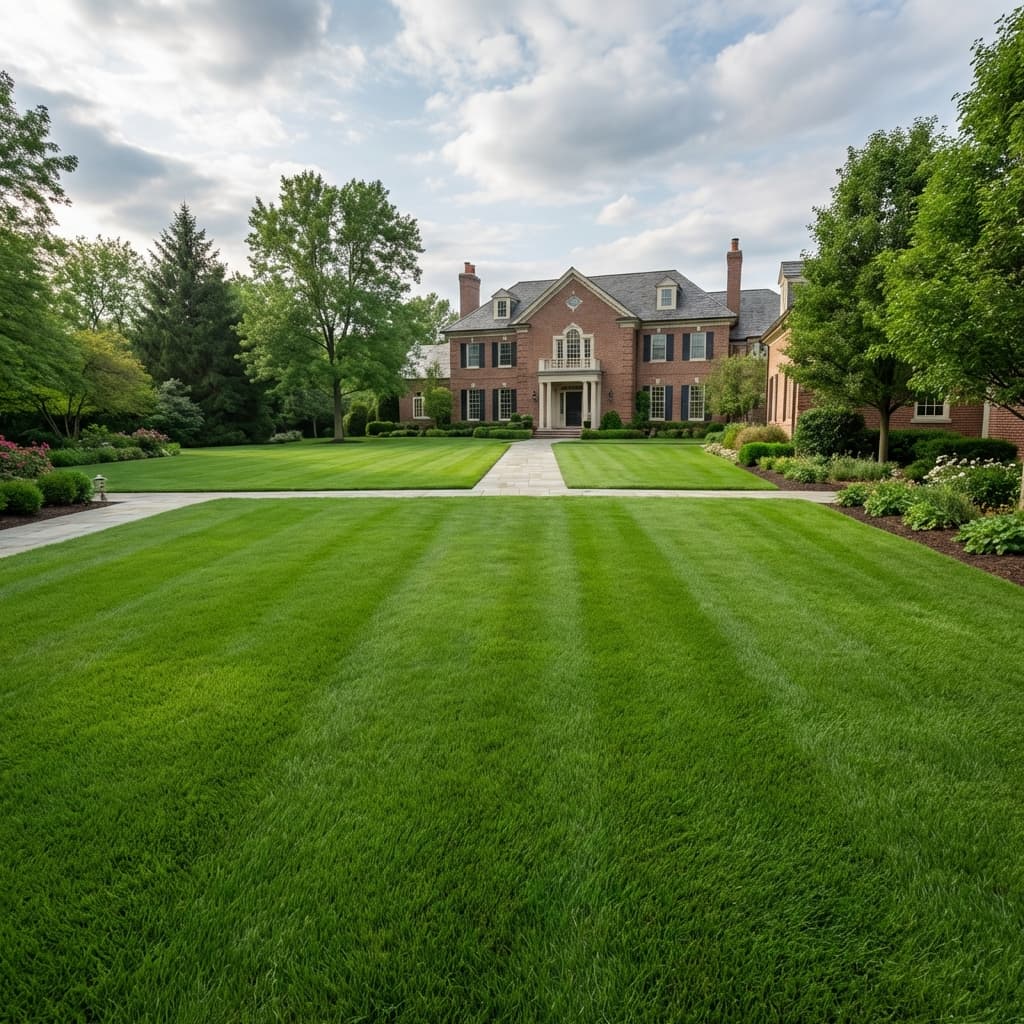
5 Signs Your Lawn Needs to Be Replaced (Not Just Repaired)
Is your lawn beyond saving? Learn when it makes more sense to start fresh with new sod instead of fighting a losing battle with repairs.
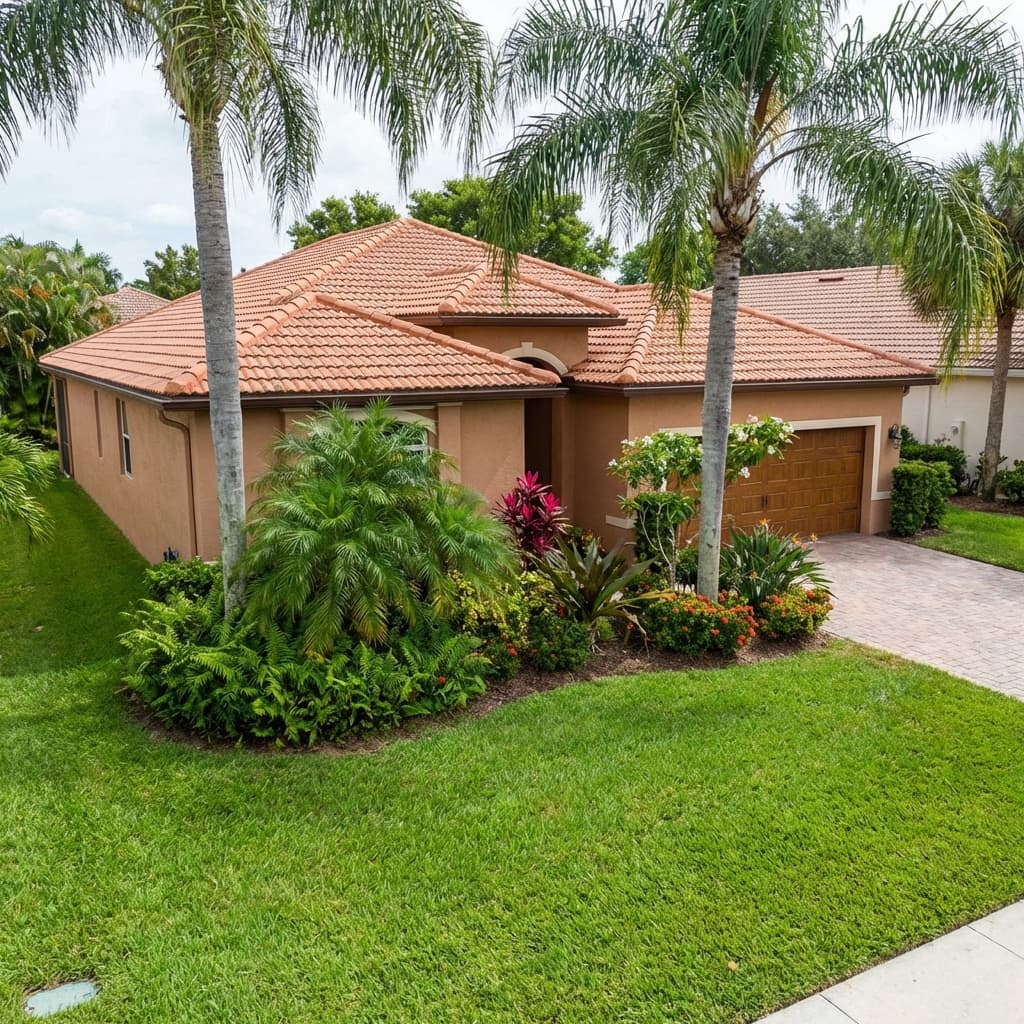
Arlington Jacksonville Lawn Care
Arlington Jacksonville Lawn Care. Review the site, scope and current written quote before deciding.
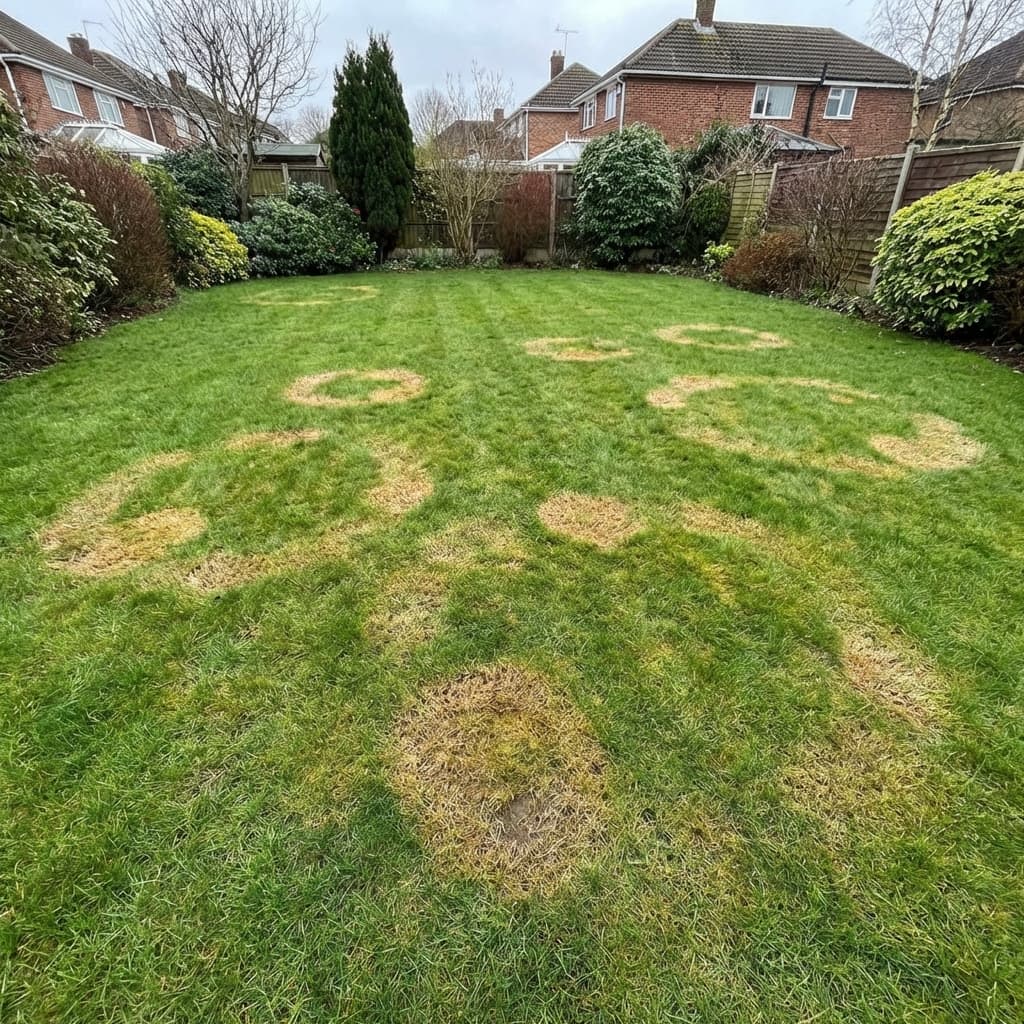
Armyworm Damage in Jacksonville Lawns: Detection and Control
Armyworm damage Jacksonville lawn problems peak August-November. Learn to detect fall armyworms, conduct soap flush tests, and apply effective treatments fast.
Let’s talk about your lawn
Ask our AI assistant a lawn question, or send the team a free installation estimate request.