Loading...
Back to Articles
How to Create a Butterfly Garden in Jacksonville
Lawn Care January 27, 2026 18 min read
For current costs, compare the exact product or written project scope. See what to include in a sod estimate; this guide does not establish a current price, saving or resale return.
Few things bring as much life and joy to a landscape as butterflies floating from flower to flower on a warm Jacksonville morning. After years working in Northeast Florida yards, we've learned that butterfly-friendly landscaping isn't just about planting pretty flowers—it's about understanding the complete lifecycle these remarkable insects need and providing the right resources in the right locations.
The good news for Jacksonville homeowners: our mild climate, long growing season, and native plant diversity make Northeast Florida exceptional butterfly habitat. We host over 150 butterfly species throughout the year, from the iconic monarch to the zebra longwing (Florida's state butterfly) to gorgeous swallowtails that rival tropical species. The better news: creating a butterfly garden Jacksonville FL style doesn't require exotic plants or complicated techniques. It requires the right plants in the right combinations, patience, and a willingness to tolerate a few chewed leaves.
Whether you're designing a dedicated butterfly garden in Mandarin, adding butterfly-friendly plants to your Ponte Vedra landscape, or converting a section of struggling lawn in Riverside into a wildlife habitat, this guide covers everything you need to know. We'll explore the butterflies you'll attract, the difference between host plants and nectar sources, specific plant recommendations for Jacksonville's climate, and design strategies that maximize butterfly activity while maintaining aesthetic appeal.
Understanding Butterfly Lifecycles: Host Plants vs. Nectar Plants
Before diving into plant lists, let's clarify a concept that confuses many homeowners: butterflies need two distinct types of plants, and understanding this distinction is critical to butterfly garden success.
Nectar plants provide food for adult butterflies. These are typically flowers with accessible nectar that butterflies reach with their proboscis (the straw-like mouthpart). Adult butterflies are generalists—many different butterfly species visit the same nectar sources. Plant pentas, and you'll see swallowtails, monarchs, fritillaries, and others all feeding on the same flowers.
Host plants are where butterflies lay eggs and where caterpillars feed. Here's the key difference: caterpillars are specialists. Monarch caterpillars eat only milkweed. Gulf fritillary caterpillars eat only passionvine. Swallowtail caterpillars eat only specific plants in the parsley family. Without the correct host plant, female butterflies won't lay eggs in your garden, and you'll only see transient adults stopping briefly for nectar.
A successful butterfly garden includes both nectar sources (for adult food) and host plants (for reproduction and caterpillar development). Miss either component, and your butterfly garden provides only partial habitat.
One more critical point: caterpillars eat plants. They chew holes in leaves, sometimes defoliating entire plants. This is the goal, not a problem. If you're not seeing chewed host plants, you're not successfully hosting butterflies—you're just providing a nectar bar for passing adults. Embrace the damage. It's temporary, and the reward is butterflies emerging in your landscape rather than someone else's.
Jacksonville Pro Tip: The most common butterfly garden mistake in San Marco, Riverside, and Avondale is planting abundant nectar sources but no host plants. You'll see butterflies visiting, but none will complete their lifecycle in your garden. Include both nectar and host plants for true butterfly gardening success.
Jacksonville's Butterfly Species: Who You'll Attract
Northeast Florida's mild climate and diverse plant communities support a remarkable butterfly population. Here are the primary species you'll attract with proper plant selection:
Monarch (Danaus plexippus)
The iconic orange and black monarch needs no introduction. These long-distance migrants pass through Jacksonville in two waves: northbound in spring (March-May) and southbound in fall (October-November), though residents can spot monarchs year-round in our area.
Monarchs require milkweed as host plants—nothing else will work. Plant milkweed, and you'll see monarchs laying eggs within days or weeks. The caterpillars (striped yellow, black, and white) grow for 2-3 weeks before forming the distinctive jade-green chrysalis marked with gold spots. Ten days later, adults emerge.
Gulf Fritillary (Agraulis vanillae)
The Gulf fritillary, with its bright orange wings marked with black and silver spots underneath, is one of Jacksonville's most common and reliable butterfly species. Unlike migratory monarchs, Gulf fritillaries are year-round residents in Northeast Florida, making them the backbone of butterfly gardens in Mandarin, Baymeadows, and Southside.
Gulf fritillaries lay eggs exclusively on passionvine (also called maypop). The spiny, orange caterpillars with black spines are impossible to misidentify. In Jacksonville's climate, Gulf fritillaries complete multiple generations per year, meaning consistent presence in your garden spring through fall.
Zebra Longwing (Heliconius charithonia)
Florida's state butterfly features striking black wings with yellow stripes. Unlike most butterflies that live days or weeks as adults, zebra longwings can live several months, roosting communally at night in the same trees or shrubs. This longevity means individual butterflies become familiar fixtures in your garden.
Zebra longwings also use passionvine as host plants, often sharing the same plants with Gulf fritillaries. The caterpillars are white with black spots and spines. Adult zebra longwings show interesting behavior: they're one of the few butterflies that consume pollen (not just nectar), giving them extra protein and longevity.
In Jacksonville landscapes from Atlantic Beach to Orange Park, zebra longwings are reliable year-round residents if passionvine is available.
Swallowtails (Papilio species)
Several swallowtail species grace Jacksonville gardens with their large size (3-5 inch wingspans) and graceful flight:
Eastern Tiger Swallowtail features yellow wings with black tiger stripes. Females sometimes display a dark morph (mostly black). These butterflies use various trees as host plants (tulip poplar, sweet bay magnolia, cherry, ash), meaning they're often around even without specific host plant planting.
Black Swallowtail showcases black wings with yellow and blue markings. This is the species to attract with herb gardens—they lay eggs on parsley, fennel, dill, and other plants in the carrot family (Apiaceae).
Giant Swallowtail is North America's largest butterfly, with dark wings marked with yellow bands. The caterpillars (called "orange dogs" for their appearance) feed on citrus trees, making them common in Jacksonville areas with ornamental or fruit-bearing citrus.
Spicebush Swallowtail displays dark wings with pale green and blue markings. They use sassafras and spicebush as hosts, both native to Northeast Florida woodlands.
Sulphurs and Yellows (Colias and Phoebis species)
These medium-sized yellow or orange butterflies flutter through Jacksonville gardens year-round. Several species occur here, with cloudless sulphur and sleepy orange being most common. They lay eggs on various legumes, particularly cassia (senna) species, partridge pea, and clover.
Painted Lady (Vanessa cardui)
This cosmopolitan species occurs worldwide and appears in Jacksonville in variable numbers depending on migration patterns. The mottled orange, brown, and white wings are distinctive. Painted ladies use various host plants, particularly thistles, mallows, and sunflowers.
Several other species—red admiral, buckeye, hackberry emperor, question mark, cloudywing skippers, and more—appear regularly in Jacksonville butterfly gardens with appropriate plants.
Essential Host Plants for Jacksonville Butterfly Gardens
Now let's get specific. These host plants attract and support butterfly populations in Jacksonville's climate:
Milkweed (Asclepias species): For Monarchs
Milkweed is non-negotiable if you want monarchs. Several species work well in Jacksonville:
Tropical milkweed (Asclepias curassavica) is the easiest to find at nurseries and establishes quickly, blooming with red and yellow flowers spring through fall. The controversy: it doesn't die back in Jacksonville's mild winters like native milkweeds, potentially disrupting monarch migration patterns by encouraging year-round breeding. Current recommendations suggest cutting tropical milkweed back to the ground in November and again in February to force dormancy.
Native milkweeds are preferable long-term choices:
- Swamp milkweed (Asclepias incarnata): Pink flowers, tolerates wet soil, attracts monarchs reliably
- Butterfly weed (Asclepias tuberosa): Orange flowers, drought-tolerant once established, native to Florida
- White milkweed (Asclepias perennis): Small white flowers, tolerates wet to average soil
Plant milkweed in full sun (6+ hours) in well-draining soil. Jacksonville's sandy soil suits milkweed perfectly. Space plants 18-24 inches apart for a monarch-attracting display. Expect caterpillars to defoliate plants—this is success, not failure.
Passionvine (Passiflora incarnata): For Gulf Fritillary and Zebra Longwing
Passionvine, also called maypop, is a native Florida vine that supports two of Jacksonville's most common butterflies. The plant produces intricate purple and white flowers followed by edible (but bland) fruit. The foliage provides food for Gulf fritillary and zebra longwing caterpillars.
Passionvine is vigorous—it will climb fences, trellises, or sprawl as groundcover. Possible supports include:
- Chain-link fences (completely covers them in one season)
- Dedicated trellises in butterfly gardens
- Naturalized areas where it can spread freely
The vine dies back to the ground during hard freezes but regrows from roots each spring. In mild winters, it remains semi-evergreen. Plant in full sun to partial shade. Provide support for climbing or let it ramble as groundcover.
Warning: passionvine spreads via underground runners and can become aggressive in ideal conditions. Plant where spread is acceptable or be prepared to remove wandering shoots. The butterfly benefits outweigh the minor invasiveness for most butterfly gardeners.
Parsley, Fennel, and Dill: For Black Swallowtails
The Black Swallowtail is unique among butterfly species for using common herbs as host plants. Plant parsley, fennel, or dill in your Nocatee, Fruit Cove, or Fleming Island garden, and Black Swallowtails will find it.
The caterpillars (green with black bands marked with yellow spots) start small and inconspicuous, then grow dramatically in their final instar (growth stage). One large caterpillar can defoliate a parsley plant in days. Plant extras—some for cooking, some for caterpillars.
Bronze fennel (Foeniculum vulgare 'Purpureum') combines caterpillar food with ornamental value. The feathery, bronze-purple foliage reaches 4-5 feet tall, creating a beautiful backdrop in mixed plantings. Let it flower (yellow umbels) for additional nectar sources.
Parsley (both curly and flat-leaf), dill, and fennel grow easily in Jacksonville's spring (February-May) and fall (September-November). They struggle in summer heat. Plant in full sun in well-draining soil.
Jacksonville Pro Tip: When you spot Black Swallowtail caterpillars on your herbs, relocate them to sacrificial plants rather than sharing your culinary herbs. Plant extra fennel or dill specifically for caterpillars, keeping your cooking herbs separate.
Cassia (Senna species): For Sulphurs
Various cassia species attract sulphur butterflies common in Jacksonville. Two work particularly well:
Wild senna (Senna hebecarpa) is a native perennial shrub reaching 4-6 feet with yellow flowers in summer. It dies back to the ground in winter, regrowing from roots each spring.
Bahama cassia (Senna mexicana var. chapmanii) is an evergreen shrub in Jacksonville's mild winters, growing 4-8 feet with bright yellow flowers much of the year.
Both handle full sun and Jacksonville's sandy soil without issue. The caterpillars blend in with foliage (green with yellow markings), so you may not notice them until butterflies emerge.
Citrus Trees: For Giant Swallowtails
If you're growing citrus in your Mandarin, Fruit Cove, or St. Johns County landscape (lemon, lime, orange, grapefruit, kumquat), you're already providing Giant Swallowtail habitat. The caterpillars (orange dogs) look like bird droppings when young, developing into brown and white mottled caterpillars with an orange forked organ (osmeterium) they display when threatened.
Most citrus trees handle moderate caterpillar feeding without impact on fruit production. If you see caterpillars, leave them—they'll develop into Florida's largest butterfly.
Native Trees and Shrubs: For Tiger Swallowtails and Others
Several Jacksonville native trees and shrubs host various butterfly species:
- Tulip poplar: Eastern Tiger Swallowtail
- Sweet bay magnolia: Tiger Swallowtail
- Sassafras: Spicebush Swallowtail
- Spicebush: Spicebush Swallowtail
- Hackberry: Hackberry Emperor, Question Mark
- Pawpaw: Zebra Swallowtail (rare in Jacksonville but present)
If your landscape includes these native trees, you're likely hosting butterflies already without knowing it. The caterpillars blend in, and damage is rarely noticeable on large trees.
Best Nectar Plants for Jacksonville Butterfly Gardens
While host plants determine which butterflies breed in your landscape, nectar plants determine how many butterflies you see day-to-day. These Jacksonville-proven nectar sources attract numerous butterfly species:
Pentas (Pentas lanceolata)
If we could recommend only one nectar plant for Jacksonville butterfly gardens, pentas would win. These tropical perennials bloom nearly year-round in our climate (frost kills them back, but they recover quickly) with star-shaped flower clusters in red, pink, white, or lavender.
Butterflies mob pentas. On a single pentas plant, you might see swallowtails, monarchs, fritillaries, and sulphurs all feeding simultaneously. The flowers provide easily accessible nectar perfect for butterflies.
Pentas grow 18-30 inches tall and wide, thriving in full sun to partial shade. They tolerate Jacksonville's summer heat and humidity without issue. Deadheading (removing spent flowers) encourages more blooms, but even neglected pentas flower reliably.
Plant pentas in groups of 3, 5, or more for maximum butterfly attraction. Space 18-24 inches apart. They work in beds, borders, or containers.
Lantana (Lantana camara)
Lantana is controversial in Florida—it's non-native, potentially invasive, and on noxious weed lists in some counties. That said, sterile cultivars pose minimal spread risk, and butterflies absolutely love it. The flat-topped flower clusters (available in yellow, orange, red, pink, white, and multicolor combinations) bloom heavily spring through fall.
Choose sterile cultivars like 'Miss Huff' (orange/pink), 'New Gold' (yellow), or 'Patriot' series for Jacksonville landscapes. These produce little or no viable seed, addressing invasiveness concerns.
Lantana handles full sun, drought, poor soil, and Jacksonville's summer heat without complaint. It grows 2-4 feet tall and wide, making it substantial enough for foundation plantings or mass plantings. Butterflies, particularly swallowtails and sulphurs, visit lantana constantly.
Plant in full sun for best flowering. Established lantana survives on rainfall alone during typical Jacksonville summers.
Firebush (Hamelia patens)
This Florida native shrub is butterfly gold. The tubular orange-red flowers bloom spring through fall (year-round in mild winters), attracting butterflies and hummingbirds. Firebush grows 4-8 feet tall and wide in Jacksonville, creating substantial presence in mixed borders.
Firebush handles full sun to partial shade, average to dry soil, and our summer heat without issue. It dies back during hard freezes but recovers quickly from roots. In mild winters, it remains semi-evergreen.
In Riverside, Avondale, and San Marco gardens, firebush provides large-scale structure while supporting butterflies. The fall fruit (dark purple berries) attracts birds, adding wildlife value.
Plant firebush 4-5 feet apart for screening or as individual specimens. Prune in late winter if freeze damage occurs.
Porter Weed (Stachytarpheta spp.)
Porter weed, particularly blue porter weed (Stachytarpheta jamaicensis), is a Florida native that butterflies can't resist. The purple-blue flower spikes bloom nearly year-round, providing consistent nectar when other plants aren't flowering.
Growing 2-4 feet tall and wide, porter weed works as a mid-border plant or mass planting. It tolerates full sun to partial shade and handles Jacksonville's sandy soil perfectly. The plant self-seeds moderately (not aggressively), gradually expanding its footprint.
Monarchs, swallowtails, fritillaries, and skippers visit porter weed continuously. In Jacksonville Beach, Atlantic Beach, and coastal areas, porter weed tolerates salt spray.
Salvia (Salvia species)
Various salvia species work well in Jacksonville butterfly gardens:
Tropical sage (Salvia coccinea) produces red, pink, or white flowers on 2-3 foot plants that bloom spring through fall. It self-seeds reliably, naturalizing in favorable conditions.
Blue anise sage (Salvia guaranitica) offers true-blue flowers on 3-5 foot plants. It's more cold-hardy than tropical sage, overwintering as roots in Jacksonville.
Mexican bush sage (Salvia leucantha) produces purple and white velvety flower spikes in fall. Growing 3-4 feet, it creates substantial late-season butterfly food when other plants decline.
All salvias prefer full sun and well-draining soil—perfect for Jacksonville's conditions. Plant in groups for impact. Butterflies, particularly swallowtails, prefer the tubular flowers salvias provide.
Jatropha (Jatropha integerrima)
This tropical shrub produces clusters of bright red flowers year-round in Jacksonville's mild climate (slowing during winter but never stopping completely). Butterflies visit jatropha constantly, and the plant requires minimal maintenance.
Jatropha grows 4-6 feet tall and wide, making it suitable for foundation plantings or mixed borders. It handles full sun, drought, and poor soil. Prune annually in late winter to maintain shape.
The sap is toxic, so plant away from areas where children play. Otherwise, jatropha is a butterfly garden superstar for Jacksonville landscapes.
Additional Nectar Sources
Other reliable nectar plants for Jacksonville butterfly gardens include:
- Zinnia: Annual flowers in every color, easy from seed
- Marigold: Annual, tolerates heat, widely available
- Cosmos: Annual, feathery foliage, pink/white/red flowers
- Butterfly bush (Buddleia davidii): Shrub with fragrant flower spikes (sterile varieties only to prevent invasiveness)
- Blanket flower (Gaillardia): Perennial, red and yellow flowers, drought-tolerant
- Black-eyed Susan (Rudbeckia): Perennial, yellow daisy-like flowers, native
Butterfly Garden Design for Jacksonville
Successful butterfly gardens balance aesthetic appeal with habitat function. Here's how to design gardens that look intentional while providing everything butterflies need:
Site Selection: Sun is Essential
Choose locations with 6+ hours of direct sun daily. Butterflies are cold-blooded and need sun to warm flight muscles. Nectar plants flower most prolifically in full sun. Host plants grow most vigorously with ample sun.
South- or west-facing areas work best. Avoid deep shade beneath trees. Partial shade (4-6 hours of sun) works for some plants like pentas and porter weed, but full sun locations produce better results.
Design Layout: Layers and Masses
Create visual depth by layering plants by height:
- Back layer: Tall plants like firebush, salvia, cassia (4-6 feet)
- Middle layer: Medium plants like pentas, lantana, milkweed (2-3 feet)
- Front layer: Low plants like zinnia, marigold (12-18 inches)
Plant in groups (odd numbers: 3, 5, 7) of the same species rather than one of everything. Butterflies are attracted to masses of color more than scattered individual plants. Three pentas together create more impact than three different plants.
Include Host Plants and Nectar Sources Together
Don't segregate host plants in one area and nectar plants elsewhere. Female butterflies need nectar while searching for host plants to lay eggs. Combining them in the same bed keeps butterflies in your garden longer.
Example combination for a 10x10 foot Jacksonville butterfly bed:
- 3 tropical milkweed (host)
- 1 passionvine on trellis (host)
- 5 pentas (nectar)
- 3 lantana (nectar)
- 2 porter weed (nectar)
- 3 fennel (host and nectar from flowers)
This provides both host and nectar plants with continuous bloom spring through fall.
Water Sources
Butterflies need water but can't land in birdbaths or open water. Create shallow water sources:
- Saucer filled with sand or pebbles, kept moist
- Mud puddles (butterflies "puddle" to extract minerals)
- Fountain or water feature with rocks creating shallow, accessible areas
Place water sources in sunny locations near flowers. Refresh water regularly to prevent mosquitoes.
Shelter and Basking Sites
Include flat rocks or logs where butterflies can bask in morning sun, warming their flight muscles. Plant some host plants near walls or fences that provide wind protection—caterpillars are vulnerable to wind damage.
Leave some leaf litter in naturalized areas where chrysalises can form. Some butterflies overwinter as chrysalises or adults, needing protected spots.
Avoid Pesticides
This is non-negotiable. Pesticides, including common insecticides like malathion, sevin, and many systemic products, kill butterflies and caterpillars. Even "organic" options like neem oil harm butterflies. If you want a butterfly garden, accept that you're creating a pesticide-free zone.
Fungicides and herbicides also harm butterflies, either directly or by eliminating host plants. Spot-spray persistent weeds rather than blanket applications.
Seasonal Butterfly Activity in Jacksonville
Jacksonville's mild climate means year-round butterfly activity, though abundance and species vary by season:
Spring (March-May)
Peak butterfly season in Jacksonville. Monarchs migrate through, swallowtails become active, fritillaries and sulphurs multiply rapidly. Plant growth is vigorous. Most nectar plants begin blooming heavily. This is when your butterfly garden shines brightest.
Ensure nectar sources are available early—pentas, salvias, and porter weed from overwintered plants provide critical early food.
Summer (June-September)
Hot, humid weather slows some butterfly activity during midday heat, but mornings and evenings remain active. Resident species (Gulf fritillary, zebra longwing, sulphurs) breed continuously. Second and third generations emerge.
Maintain nectar sources during summer—deadhead spent flowers, water during dry spells, fertilize lightly to encourage continuous bloom. Host plants handle heavy caterpillar feeding during summer—allow plants to be defoliated; they'll recover.
Fall (October-November)
Second peak butterfly season. Monarch fall migration brings waves of butterflies through Jacksonville. Swallowtails are abundant. Cool temperatures bring comfortable garden viewing.
Fall-blooming plants (Mexican bush sage, porter weed, firebush) become critical nectar sources. Don't cut back "finished" summer plants too early—many butterflies need late-season food.
Winter (December-February)
Reduced butterfly activity, but Jacksonville's mild winters mean some species remain active during warm spells. Zebra longwings and fritillaries occasionally appear. Chrysalises formed in fall overwinter, emerging as adults in spring.
Cut back tropical milkweed in November and again in February to prevent year-round breeding that disrupts monarch migration. Leave dried seed heads and vegetation for overwintering pupae unless appearance is unacceptable.
Creating a Certified Butterfly Garden
The North American Butterfly Association (NABA) offers butterfly garden certification that recognizes gardens providing appropriate habitat. Requirements include:
- Variety of nectar sources with continuous bloom
- Host plants for multiple butterfly species
- Water sources
- Shelter (shrubs, trees, windbreaks)
- No pesticide use
- Minimal outdoor lighting (bright lights disrupt butterfly behavior)
Certification is voluntary and primarily educational, but it formalizes your commitment to butterfly conservation. Information is available at www.naba.org.
Similarly, the Florida-Friendly Landscaping program recognizes landscapes incorporating native plants, reducing pesticide use, and protecting wildlife habitat—principles aligned with butterfly gardening.
Combining Butterfly Gardens with Florida-Friendly Landscaping
Butterfly gardening naturally complements Florida-Friendly Landscaping (FFL) principles promoted by UF/IFAS Extension. Both emphasize:
- Right plant, right place (native and adapted plants)
- Water efficiently (drought-tolerant plants once established)
- Mulch appropriately (maintaining soil moisture, reducing weeds)
- Attract wildlife (butterflies, bees, birds)
- Manage yard pests responsibly (avoid pesticides)
- Protect the waterway (reducing chemical runoff into St. Johns River)
Jacksonville homeowners in Mandarin, Baymeadows, Fruit Cove, and throughout Duval, Clay, and St. Johns Counties can create butterfly gardens that also qualify for FFL recognition by selecting native plants like milkweed, cassia, porter weed, and firebush, pairing them with non-invasive nectar sources, eliminating pesticide use, and managing irrigation efficiently.
Year-Round Butterfly Gardening in Jacksonville's Climate
Jacksonville's USDA zone 9a/9b climate offers unique advantages for butterfly gardening: our mild winters mean some butterfly species remain active year-round, and we can grow both tropical and temperate plants, expanding host and nectar options beyond what northern gardeners access.
Take advantage of this by:
Planting perennial nectar sources that bloom year-round or most of the year in our climate: pentas, porter weed, jatropha, salvia.
Including both cold-hardy and tropical host plants to support butterflies across seasons. Passionvine dies back in winter but returns in spring; tropical milkweed stays evergreen with protection.
Succession planting annuals for continuous bloom: zinnias, marigolds, and cosmos in multiple waves from spring through fall.
Not cutting back all plants in fall—leave some dried vegetation for overwintering pupae and adult butterflies using your garden as shelter.
Planning for winter interest—even when butterfly activity slows, an attractive garden keeps your interest. Include evergreen shrubs, ornamental grasses that provide winter structure, and early-blooming bulbs that signal spring's return.
Common Butterfly Gardening Mistakes in Jacksonville
After decades of working with Jacksonville landscapes, we've seen these repeated mistakes:
Planting only nectar sources with no host plants: You'll see visiting butterflies but never complete lifecycles in your garden. Include host plants.
Expecting instant results: Butterfly populations build over seasons as female butterflies discover your host plants. Year one may disappoint; year two and beyond will amaze.
Removing "pest" caterpillars: Those caterpillars eating your plants are exactly what you want in a butterfly garden. Leave them. The adult butterflies are your reward.
Using pesticides: Even "targeted" applications harm butterflies. Accept that butterfly gardens require pesticide-free management.
Planting insufficient quantities: Three milkweed plants won't create butterfly haven. Plant in masses: 5-10 milkweed, extensive passionvine coverage, multiple nectar sources.
Giving up after caterpillar damage: Yes, caterpillars defoliate host plants. The plants recover. This is the process—embrace it.
Only planting exotic non-native plants: While some non-native nectar sources work, focusing on native host plants ensures you're supporting local butterfly populations adapted to Jacksonville's ecosystem.
Conclusion: Bringing Butterflies Home to Jacksonville
Creating a butterfly garden in Jacksonville transforms your landscape from static decoration into living, dynamic habitat. The investment—a few dozen host plants and nectar sources, thoughtful design, and a commitment to pesticide-free management—returns exponential rewards in butterfly activity, environmental benefits, and personal satisfaction.
Start small if needed: a 4x8 foot bed with milkweed, passionvine, pentas, and lantana creates functional butterfly habitat. Expand over time as you learn which plants perform best in your specific location and which butterflies visit. Take notes, photograph your visitors, and share observations with fellow gardeners.
Jacksonville's climate gives us nearly year-round butterfly season—an advantage few northern gardeners enjoy. Our native plant diversity provides numerous host plant options. Our mild winters allow tropical nectar sources like pentas to perform for nine months or more. We're uniquely positioned to create world-class butterfly habitat in residential landscapes.
Whether you're converting a small corner of your Jacksonville Beach yard, replacing struggling lawn areas in Mandarin with butterfly meadows, or designing a comprehensive wildlife landscape in Nocatee, butterflies will respond to proper habitat. Plant it, and they will come—monarchs, swallowtails, fritillaries, sulphurs, and dozens of other species.
Use these ideas to plan a butterfly garden with plants suited to your site. For garden design or planting work, consult a suitable landscape professional.
Need Professional Sod Installation?
Jax Sod provides sod installation, sod replacement, and new lawn installation across Jacksonville and Northeast Florida. Free quotes!
Related Articles
5 Signs Your Lawn Needs to Be Replaced (Not Just Repaired)
Is your lawn beyond saving? Learn when it makes more sense to start fresh with new sod instead of fighting a losing battle with repairs.
Arlington Jacksonville Lawn Care
Arlington Jacksonville Lawn Care. Review the site, scope and current written quote before deciding.
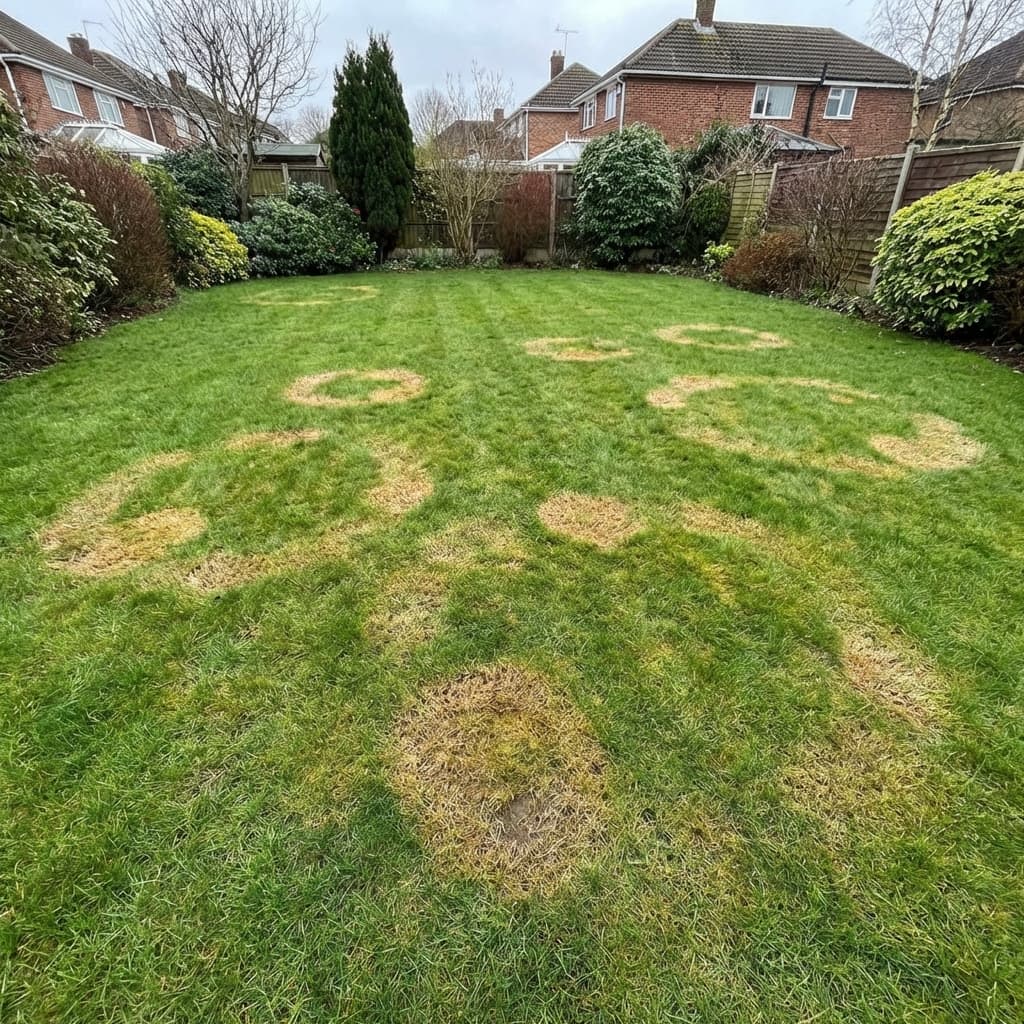
Armyworm Damage in Jacksonville Lawns: Detection and Control
Armyworm damage Jacksonville lawn problems peak August-November. Learn to detect fall armyworms, conduct soap flush tests, and apply effective treatments fast.
Let’s talk about your lawn
Ask our AI assistant a lawn question, or send the team a free installation estimate request.