Loading...
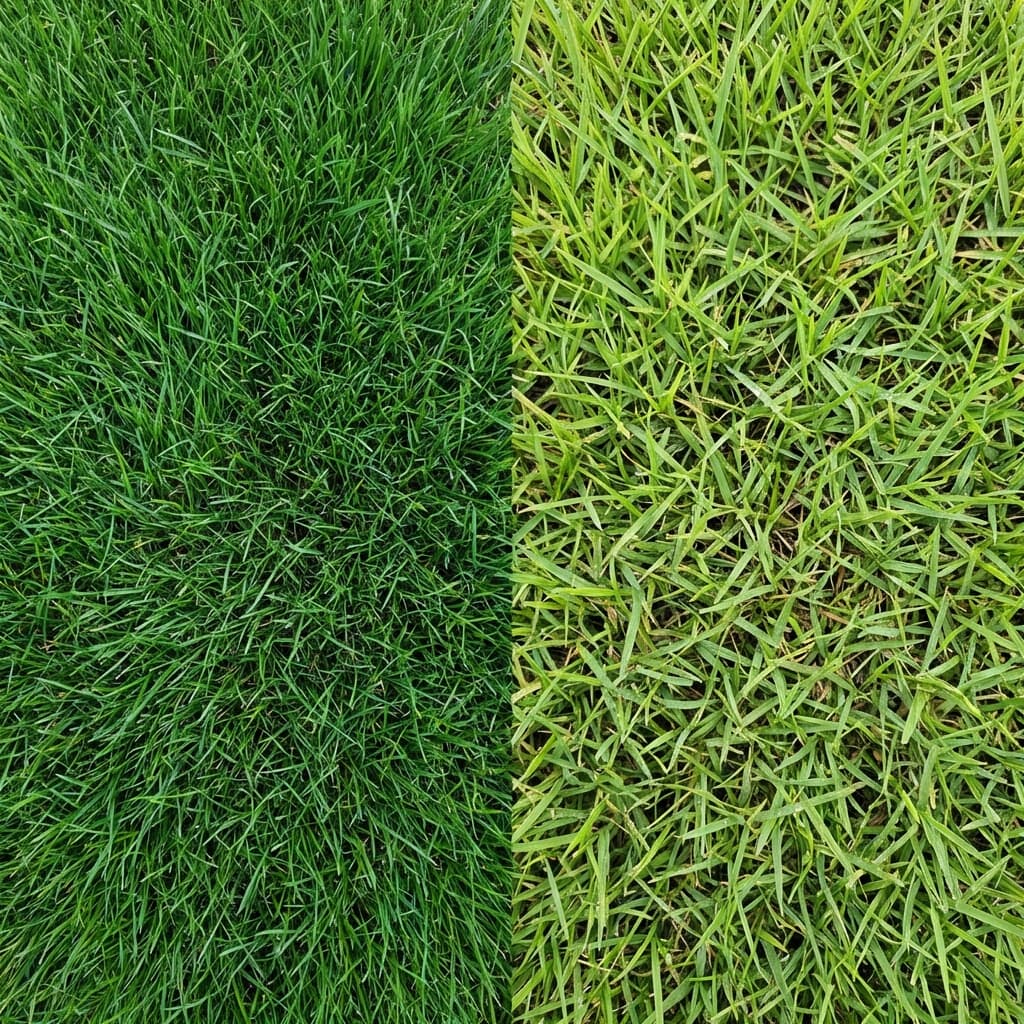
Set irrigation from site conditions and the current rules for your property and water source. For new sod, use the dated care planner; a fixed schedule in an older guide is not permission to water.
You just spent good money on new sod for your Jacksonville lawn, and within a few weeks, you're seeing weeds pop up. Frustrating, right? I get calls about this all the time from homeowners in Nocatee, Southside, and the Beaches who expected pristine green grass but got a mix of grass and unwanted plants.
Here's the reality: some weeds in new sod are normal. They can come from the sod farm, from your existing soil, or from wind-blown seeds that land on freshly watered ground. The good news is that most weed issues in new sod are temporary and manageable if you handle them correctly.
Where Weeds Come From in New Sod
Understanding the source helps you deal with them effectively.
Weeds from the Sod Farm
Even reputable sod farms have some weed seeds in their fields. St. Augustine sod is typically cut with about 1-2 inches of soil attached. That soil can contain dormant weed seeds that germinate after installation. This is especially true if the sod was harvested from a field that was recently sodded itself rather than established for multiple years.
Common culprits from sod farms include annual grasses like crabgrass, dallisgrass, and various broadleaf weeds like dollarweed and Florida pusley. These are opportunistic plants that thrive in Jacksonville's humid climate.
Weeds from Your Existing Soil
When you prep a yard for new sod, you typically grade and level the existing soil. That process brings buried weed seeds to the surface where they can germinate. Seeds can remain viable in soil for years waiting for the right conditions.
The constant watering needed for new sod establishment creates perfect germination conditions for these seeds. Areas that had heavy weed pressure before sodding often see weeds emerge through or around the new grass.
Airborne and Animal-Deposited Seeds
Jacksonville's windy afternoons and frequent thunderstorms spread seeds everywhere. Birds, particularly the grackles and crows that congregate in neighborhoods like Riverside and Springfield, deposit seeds through droppings. Your neighbor's weedy lawn can quickly become your problem when seeds blow across property lines.
New sod gets watered frequently, creating a constantly moist environment that weed seeds love. While your grass is establishing roots, weeds are often faster to germinate and grow.
Common Weeds in Jacksonville New Sod
Knowing what you're dealing with helps you treat it correctly.
Crabgrass
This annual grass germinates when soil temperatures hit 55-60°F, which happens in Jacksonville around late February or March. It's a warm-season annual, so it dies in winter but reseeds prolifically. Crabgrass has wider blades than St. Augustine and grows in a sprawling pattern.
Dallisgrass
This perennial grass is coarser and taller than St. Augustine. It forms clumps and has seed heads that stick up above your mowed lawn. It's tough to kill and spreads by both seeds and underground rhizomes.
Dollarweed (Pennywort)
Round leaves that look like mini lily pads characterize this perennial weed. It loves moisture and thrives in overwatered lawns or areas with poor drainage. Common in yards throughout Jacksonville, especially in low spots.
Spurge
Both spotted spurge and prostrate spurge appear in Jacksonville lawns. These low-growing weeds spread quickly during summer heat. They have small leaves and produce a milky sap when broken.
Florida Pusley
This succulent-like weed has small, thick leaves and spreads flat along the ground. It's incredibly heat and drought tolerant, which makes it well-adapted to Jacksonville summers.
Chamberbitter
This annual weed looks deceptively like a small fern or mimosa. It grows upright and produces tons of seeds that spread easily. Very common in Jacksonville lawns and difficult to control once established.
Sedges (Nutsedge)
These aren't technically grasses—they're in their own plant family. Yellow nutsedge and purple nutsedge both appear in Jacksonville lawns. They grow faster than grass, have a triangular stem, and form underground tubers that make them persistent.
When and How to Treat Weeds in New Sod
Timing is critical. Apply weed control too early, and you'll damage or kill your new sod. Wait too long, and weeds establish and spread.
The Waiting Period
New sod needs time to root before you can safely apply herbicides. The grass is stressed from being cut, transported, and replanted. Adding chemical stress too soon can prevent proper rooting or kill patches of grass.
General guidelines for Jacksonville:
- Wait at least 30 days after installation before applying any weed control products
- Wait 60-90 days before using pre-emergent herbicides
- Mow 2-3 times before applying post-emergent weed killers
The sod should be firmly rooted. Test this by gently pulling on the grass—if it lifts easily, it's not ready. Properly rooted sod resists your pull.
Hand Pulling for Early Weeds
For the first month, hand-pulling is your safest option. Water the area first to soften soil, then pull weeds gently to get the entire root. This works well for broadleaf weeds and individual grass clumps.
Do this in the morning when soil is moist from irrigation and temperatures are cooler. Wear gloves, especially for spurge (that milky sap can irritate skin).
Post-Emergent Herbicides
Once your sod is established (rooted and mowed multiple times), you can use selective herbicides that kill weeds without harming your grass.
For St. Augustine sod (most common in Jacksonville):
-
Atrazine: Effective on many broadleaf weeds and some annual grasses. Can be tough on St. Augustine in extreme heat, so apply when temperatures are below 85°F.
-
2,4-D combinations: Products like Weed-B-Gon work on broadleaf weeds. Follow label directions carefully—some formulations can damage St. Augustine in hot weather.
-
Metsulfuron: Good for sedges and many tough perennial weeds. Gentle on established St. Augustine.
-
Celsius or Certainty: Excellent broad-spectrum options for St. Augustine lawns. More expensive but effective on many problem weeds including sedges.
Application tips:
- Apply in early morning when dew is present or use a wetting agent
- Temperatures should be 65-85°F for best results
- Don't mow for 2-3 days before or after application
- Don't apply before rain or irrigation for 24 hours
- Expect to see results in 7-14 days
Pre-Emergent Herbicides
These prevent weed seeds from germinating. They're not useful for existing weeds but prevent new ones from appearing.
For new sod, wait 60-90 days before applying pre-emergent. The grass needs time to establish and fill in. Pre-emergent can prevent grass spread from stolons and rhizomes if applied too early.
In Jacksonville, apply pre-emergent:
- Late February/early March before soil temps hit 55°F (prevents summer annuals like crabgrass)
- September before fall and winter weeds germinate
Common products include Prodiamine, Dithiopyr, and Dimension. Follow label rates carefully—more is not better and can damage your grass.
Cultural Practices to Reduce Weeds
How you care for your new sod determines how well it competes with weeds.
Proper Watering
This keeps the soil consistently moist, which unfortunately also favors weed germination.
Once established (usually 3-4 weeks), transition to deep, infrequent watering. About 1 inch per week total (including rain) is right for Jacksonville. This keeps grass healthy but doesn't create the constantly wet surface weeds love.
Overwatering is the number one problem I see in new lawns in areas like Ponte Vedra and Jacksonville Beach. Homeowners keep watering like it's week one, creating perfect conditions for dollarweed and sedges.
Mowing Height and Frequency
Mow St. Augustine at 3.5-4 inches high. Taller grass shades the soil, preventing weed seed germination and creating better conditions for grass growth.
Start mowing when grass is about 1/3 taller than desired height. For new sod, this is usually 10-14 days after installation, depending on how quickly it's growing. Keep blades sharp—dull blades tear grass and create stress.
During establishment, mow frequently enough that you're never removing more than 1/3 of the blade height at once. This keeps grass growing actively and filling in gaps where weeds might establish.
Fertilization
Wait 30 days after sod installation before fertilizing. The sod comes from the farm with fertilizer already applied. Adding more too soon can burn new grass.
After 30 days, apply a balanced slow-release fertilizer appropriate for St. Augustine. Something like 15-0-15 or 16-4-8 works well in Jacksonville's sandy soil. Follow label rates carefully.
Well-fed grass grows thick and crowds out weeds naturally. Plan for 3-4 applications per year: spring, early summer, late summer, and fall.
Weeds Worse Than Expected
If your new sod has significantly more weeds than grass, something went wrong. This could be old sod stock that sat too long before installation, contaminated sod from the farm, or poor soil prep.
Contact your sod installer to discuss the issue. Photos and the installation date can help explain what you are seeing.
Weeds Growing Through Seams
Gaps between sod pieces let weeds establish easily. This is common in the first few weeks before the sod knits together. Keep seams moist to encourage the grass to spread and close gaps. Hand-pull weeds from seams until the grass fills in.
If gaps are larger than 1/2 inch, fill them with sand or sandy topsoil. This helps grass spread and blocks weed growth.
Recurring Dollarweed or Sedge
These water-loving weeds indicate drainage or overwatering issues. You can treat them chemically, but they'll return if conditions stay wet. Address drainage problems through grading improvements, aeration, or reduced irrigation.
In low areas that stay naturally damp (common near retention ponds in developments like Durbin Crossing or Bartram Park), consider accepting that perfect turf is difficult. Reduce lawn area and use landscaping that tolerates moisture better.
Prevention for Future Seasons
Once your sod is established, maintain it well to prevent weed problems.
Annual Pre-Emergent Schedule
Apply pre-emergent in late February and again in September. This prevents the majority of annual weeds from germinating. Mark your calendar so you don't miss application windows.
Monitor and Spot-Treat
Walk your lawn weekly. Catch weeds early when they're small and easy to treat. A single dollarweed plant treated immediately is easier than a 10-foot patch treated later.
Keep a pump sprayer with mixed herbicide ready for spot treatments. This is more economical and environmentally friendly than blanket applications.
Maintain Grass Health
Thick, healthy grass is your best weed defense. Proper mowing, fertilization, and watering create conditions where grass outcompetes weeds naturally.
Edge and Border Control
Weeds creep in from non-lawn areas. Keep edges trimmed and consider landscape fabric or pre-emergent in mulched beds adjacent to your lawn. That decorative bed full of weeds next to your grass is a seed source waiting to spread.
The Bottom Line
Some weeds in new sod are normal and expected. Give your grass time to establish before applying herbicides, but don't let weeds completely take over either. Hand-pull early weeds, wait 30-60 days, then treat with appropriate herbicides for what you're seeing.
Most importantly, focus on creating conditions where your grass thrives. Proper watering, mowing, and fertilization mean grass outcompetes weeds naturally. The healthier your lawn, the fewer weed problems you'll face long-term.
Jacksonville's climate is tough—hot, humid, and rainy. That grows great grass, but it also grows weeds fast. Stay on top of it early, establish good habits, and your new sod investment will pay off with a lawn you're proud of.
Need Professional Sod Installation?
Jax Sod provides sod installation, sod replacement, and new lawn installation across Jacksonville and Northeast Florida. Free quotes!
Related Articles
Why Is My New Sod Turning Brown? Jacksonville Fix Guide
Troubleshoot and fix brown new sod in Jacksonville. Learn causes from underwatering to heat stress, diagnostic tests, and recovery solutions.
How to Kill Weeds Without Killing Your Jacksonville Lawn
Learn how to safely eliminate dollarweed, crabgrass, torpedograss, and other common Jacksonville weeds without damaging your St. Augustine, Bermuda, or Zoysia grass. Expert tips from local lawn care professionals.
Lawn Renovation vs New Sod: Which Does Your Jacksonville Yard Need?
Lawn Renovation vs New Sod: Which Does Your Jacksonville Yard Need. Review the site, scope and current written quote before deciding.
Let’s talk about your lawn
Ask our AI assistant a lawn question, or send the team a free installation estimate request.