Loading...
Back to Articles
Landscape Rock and Stone Options for Jacksonville
Landscaping January 27, 2026 15 min read
For current costs, compare the exact product or written project scope. See what to include in a sod estimate; this guide does not establish a current price, saving or resale return.
When it comes to landscape rock Jacksonville homeowners have discovered what professionals have known for years: the right stone can transform a yard from ordinary to extraordinary. After years of working with Northeast Florida landscapes, we've seen firsthand how rock and stone installations perform in our unique climate, from the scorching summer heat to those rare winter freezes that remind us we're not quite tropical.
The decision between organic mulches and landscape rock isn't always straightforward. While our sandy soil drains beautifully, Jacksonville's heavy summer rainfall, intense UV exposure, and salt spray in coastal areas create specific challenges that certain rock types handle better than others. Whether you're looking to create a low-maintenance xeriscape in Ponte Vedra, build a dry creek bed for drainage in Mandarin's flat terrain, or simply want a clean, modern look around your San Marco bungalow, understanding your rock options is the first step.
In this guide, we'll walk you through the landscape rock and stone varieties that work best in Jacksonville, when to choose rock over mulch, installation techniques for our sandy soil, and the real costs you can expect per cubic yard. Let's dig in.
River Rock
River rock remains one of the most popular choices for Jacksonville landscapes, and for good reason. These smooth, rounded stones range from marble-sized pebbles to fist-sized rocks and come in natural earth tones: tans, grays, browns, and even reddish hues. The polished appearance comes from centuries of water tumbling them smooth.
River rock also works beautifully as a contrasting border against St. Augustine or Zoysia lawns. The 2-4 inch size range provides good weed suppression without looking industrial.
Pea Gravel
Pea gravel consists of small, rounded stones about the size of peas (hence the name), typically 1/4 to 3/8 inch in diameter. The tiny size creates a dense, comfortable walking surface that works perfectly for pathways, dog runs, and play areas. Unlike larger rocks, pea gravel compacts slightly when walked on, creating a semi-stable surface.
For Jacksonville Beach and Neptune Beach homes, pea gravel offers a casual, coastal aesthetic that complements beach-house architecture. We often install pea gravel in side yards where grass struggles in shade or high-traffic areas where even our toughest Bermuda varieties wear thin. The drainage is phenomenal, which matters during those August thunderstorms.
The downside? Pea gravel migrates. You'll find stones in your lawn, flowerbeds, and driveway. Installing metal or plastic edging is non-negotiable. Also, Jacksonville's oak trees will drop leaves that get trapped between the tiny stones, requiring a leaf blower rather than a rake.
Crushed Shell and Coquina
Here's where Jacksonville has a distinct advantage over inland areas: crushed shell and coquina are native to Northeast Florida. Coquina, a sedimentary rock made of compacted shells and coral, has been used in local construction since the Spanish built Castillo de San Marcos in St. Augustine. The cream and tan coloring feels authentically coastal.
Crushed shell (often oyster shell) and coquina share similar properties. They're highly alkaline, which can benefit plants that prefer higher pH but may cause issues for acid-loving azaleas and camellias. Both materials compact well, making them excellent for driveways and pathways. The light color reflects heat rather than absorbing it, a significant benefit when Jacksonville temperatures hit the low 90s for weeks on end.
We've found crushed shell particularly popular in Nocatee, Fruit Cove, and other St. Johns County communities where the coastal aesthetic is desired. One note: crushed shell breaks down faster than rock, requiring replenishment every 3-5 years in high-traffic areas.
Lava Rock
Lava rock brings a dramatic, reddish-brown color that creates bold contrast in landscape beds. The porous, lightweight nature means you get more coverage per pound compared to river rock. A cubic yard of lava rock covers approximately 125 square feet at 2-3 inches deep.
In Jacksonville's full-sun areas, lava rock's heat absorption becomes a double-edged sword. While it retains warmth (beneficial for heat-loving plants like tropical hibiscus), it can literally become too hot to touch in July and August. We don't recommend lava rock near pool decks, patios, or anywhere kids and pets will be barefoot.
That said, lava rock excels in low-water cactus and succulent gardens. If you're creating a xeriscape in Town Center or Deerwood, lava rock paired with agave, yucca, and ornamental grasses creates a Southwest-inspired look that requires minimal irrigation.
Decomposed Granite
Decomposed granite (DG) is finely crushed granite that compacts into a smooth, natural-looking surface. It's become increasingly popular for modern, minimalist landscapes. The material comes in gold, tan, gray, and reddish tones.
For Jacksonville applications, stabilized decomposed granite (mixed with a polymer binder) works better than natural DG. Our heavy summer rains wash away unstabilized DG, leaving bare patches and muddy runoff. Stabilized DG, once compacted and watered in, creates a permeable surface that handles rain without washing away.
Flagstone and Fieldstone
Flagstone refers to flat, split sedimentary stone cut into irregular shapes perfect for patios, walkways, and stepping stone paths. Fieldstone describes rounded or angular rocks typically 4-18 inches across, used decoratively or for retaining walls.
In Jacksonville, flagstone installations require concrete or mortar bases to prevent shifting in our sandy soil. Dry-laid flagstone (set in sand) will settle unevenly within a year or two. When properly installed over a concrete base, flagstone patios in Mandarin and Orange Park create elegant outdoor living spaces that complement traditional Southern architecture.
Fieldstone works beautifully as accent boulders in landscape beds, creating visual anchors among palms and ornamental grasses. Large fieldstone pieces can also edge raised beds or define property borders in Fleming Island and Middleburg properties.
Both require professional installation for best results.
Rock vs Mulch: Making the Right Choice
Choose rock when you want:
- Permanence (rock lasts indefinitely; mulch decomposes)
- Low maintenance (no annual replenishment needed)
- Modern or minimalist aesthetics
- Maximum weed suppression with proper underlayment
- Solutions for wet areas where mulch floats away
- Long-term cost savings (higher upfront, lower ongoing costs)
Choose mulch when you have:
- Acid-loving plants (azaleas, camellias, gardenias, blueberries)
- Areas where you'll be digging and replanting regularly
- A desire for soil improvement (mulch breaks down into organic matter)
- Budget constraints (mulch costs less initially)
- Traditional or cottage garden aesthetics
Heat absorption deserves special attention in Jacksonville. Dark mulches absorb less heat than dark rocks, but both retain warmth. In our experience, the 2-4 inches of space between the rock and soil surface, combined with proper plant spacing, prevents most heat-stress issues. The bigger concern is ensuring adequate irrigation, since rock doesn't retain moisture like organic mulch.
Jacksonville Pro Tip: In beds surrounding St. Augustine sod, rock creates a clear boundary that prevents grass runners from invading planted areas. Mulch, being organic, doesn't stop aggressive grasses as effectively.
Heat Absorption and Jacksonville Summers
Let's address the elephant in the yard: Jacksonville summers are brutal, with heat index values often exceeding 105°F. Will landscape rock turn your beds into convection ovens?
The honest answer is: it depends on the rock type and application. We've measured surface temperatures on various materials during peak July afternoons:
- Light-colored crushed shell: 115-125°F
- River rock (tan): 130-145°F
- Lava rock (reddish-brown): 145-160°F
- Decomposed granite: 120-135°F
- Dark rubber mulch: 140-155°F (for comparison)
- Pine bark mulch: 100-115°F
Yes, rock gets hot. But so does asphalt, concrete, and even dark mulch. The key is understanding how plants respond. Most established palms, ornamental grasses, and Florida-native shrubs handle rock heat fine because:
- Their root zones are 4-12 inches deep, below the heated surface layer
- Proper irrigation keeps root zones cool
- The air gap between rocks allows some heat dissipation
Where rock heat becomes problematic: newly planted materials with shallow roots, containers sitting directly on rock (use pot feet), and barefoot traffic areas.
Our solution for heat-sensitive applications in Jacksonville: choose light-colored rocks like crushed shell or light river rock, install 3-4 inches deep rather than 2 inches (more insulation for roots), and ensure irrigation systems provide adequate water during summer months.
Landscape Beds Around Palms and Tropical Plants
Palm trees and landscape rock are practically made for each other. Since palms don't benefit from the organic matter mulch provides (they're nutrient efficient), rock around Sabal palms, Windmill palms, and Pindo palms in Jacksonville landscapes makes perfect sense.
We typically install river rock or crushed shell in 4-6 foot diameter circles around palm trunks, creating clean, low-maintenance beds. The rock prevents string trimmer damage to trunks while showcasing the palm's architectural form. For multi-palm groupings in Southside or Jacksonville Beach yards, connecting the rock beds creates a cohesive, resort-style look.
Pair palm/rock combinations with bold accent plants: bromeliads, agave, birds of paradise, or colorful crotons for pops of foliage color against neutral stone.
Dry Creek Beds for Drainage
Jacksonville's flat terrain and clay hardpan layers create drainage challenges, especially in Mandarin, Baymeadows, and Arlington. Dry creek beds solve two problems: they channel water away from structures during heavy rain, and they create beautiful landscape features during dry periods.
Proper dry creek bed construction requires:
- Excavating a swale following natural water flow patterns
- Lining with landscape fabric to prevent rock from sinking into sandy soil
- Placing larger fieldstone or river rock (4-8 inches) along edges and bottom
- Filling with medium river rock or crushed stone
- Planting moisture-tolerant plants along edges: muhly grass, blue flag iris, canna lilies
Pathways and Walkways
Rock pathways work beautifully in Jacksonville's sandy soil. Unlike traditional brick or concrete that can shift and crack, properly installed rock paths adapt to minor settling.
For formal pathways in Riverside or Avondale, flagstone set in mortar over compacted base provides an elegant solution. For casual garden paths in Nocatee or Fruit Cove, stepping stones surrounded by pea gravel or river rock create a softer, cottage-garden feel.
The key to long-lasting rock pathways in Jacksonville: excavate 4-6 inches deep, install compacted road base, add landscape fabric, then top with your rock of choice. Edge the path with metal or thick plastic edging to contain materials. This construction prevents the shifting that would occur if rock were simply laid over sand.
Rock Mulch in High-Traffic Areas
Anywhere foot traffic or vehicle access repeatedly compresses mulch, rock becomes the better choice. Side yards with air conditioning units, areas around garbage bins, dog runs, and utility access paths all benefit from rock installation.
Pea gravel or 3/4-inch crushed stone works well for these utilitarian applications. The material won't decompose, won't float away during rain, and tolerates traffic without creating muddy messes during Jacksonville's wet season.
Installing Rock Over Jacksonville's Sandy Soil
Our sandy soil creates unique installation requirements. Without proper preparation, rock simply sinks into the sand over time, requiring periodic additions to maintain depth. Here's the professional approach:
Step-by-Step Rock Installation
1. Excavation and Edging Remove existing grass, weeds, and debris to a depth of 4-6 inches. Install sturdy edging material: steel for permanent installations, thick plastic for budget-friendly projects. The edging must extend 2-3 inches above the final rock level to contain materials.
2. Weed Barrier Application This step is non-negotiable for Jacksonville installations. Commercial-grade landscape fabric (3-4 oz minimum) prevents weeds while allowing water to drain. Overlap seams by 6-12 inches and secure with landscape staples every 2 feet.
Many Jacksonville homeowners ask about double-layering fabric. In our experience, a single layer of quality fabric outperforms double layers of cheap material. Brands like DeWitt or Mutual Industries work well in our climate.
3. Rock Depth and Coverage For weed suppression and visual appeal, install rock 2-4 inches deep. Calculate coverage:
- 1 cubic yard covers 100 sq ft at 3 inches deep
- 1 cubic yard covers 75 sq ft at 4 inches deep
Order 10-15% extra to account for settling and edge gaps.
4. Distribution Spread rock evenly using a rake. Around plants, leave 2-3 inches of clearance from trunks and stems to prevent moisture retention against bark (which can promote fungal issues even in rock mulch).
Jacksonville Pro Tip: In coastal areas like Atlantic Beach and Ponte Vedra, occasional saltwater intrusion can cause landscape fabric to degrade faster. Consider commercial-grade woven polypropylene fabric rated for coastal applications.
Combining Rock with Plants and Sod
The transition between rock beds and lawn areas requires thoughtful design. Abrupt edges where rock meets grass create maintenance headaches: rocks migrate into turf, grass runners creep into rock beds, and edging maintenance becomes constant.
Our recommended approach creates clean transitions:
For St. Augustine or Zoysia lawns: Install metal or composite edging that extends 4 inches below grade (blocking runners) and 2-3 inches above grade (containing rock). The visible edge creates a mowing strip, preventing string trimmer contact with rocks that can become projectiles.
For Bermuda lawns: Bermuda's aggressive growth requires wider barriers. Consider a 4-6 inch metal border or even a concrete mowing edge in high-end installations. Bermuda runners will exploit any gap between rock and edging.
Plant selection in rock beds should complement both the stone and the overall landscape. For Jacksonville rock installations, we recommend:
- Palms: Sabal, Windmill, Pindo (all cold-hardy for Jacksonville)
- Ornamental grasses: Muhly grass, fakahatchee grass, fountain grass
- Succulents: Agave, aloe, yucca (in full sun, well-draining areas)
- Tropical accents: Bromeliad, bird of paradise, ginger lily
- Florida natives: Coontie, beautyberry, firebush, simpson's stopper
Avoid acid-loving plants like azaleas in rock beds, particularly if using alkaline crushed shell. The pH mismatch will cause chlorosis and poor growth.
Cost Comparison and Budgeting
Understanding true costs requires looking beyond the per-yard price of materials. Let's break down what Jacksonville homeowners actually spend on landscape rock installations.
Material Costs (per cubic yard, delivered in Jacksonville area)
| Rock Type | Price Range | Coverage (3" deep) |
|---|---|---|
| Pea gravel | Current quote needed | 100 sq ft |
| Crushed shell/coquina | Current quote needed | 100 sq ft |
| River rock (2-4") | Current quote needed | 100 sq ft |
| Lava rock | Current quote needed | 125 sq ft |
| Decomposed granite | Current quote needed | 110 sq ft |
| Flagstone | Current quote needed | Varies |
Long-Term Cost Comparison: Rock vs. Mulch
For a 500 sq ft landscape bed over 10 years:
Rock installation:
Mulch installation:
The break-even point occurs around year 3-4. Rock costs more upfront but less over time.
Where to Source Rock in Jacksonville
Local availability affects both cost and selection. Here's where Jacksonville-area homeowners and contractors source landscape rock:
Landscape supply yards in Green Cove Springs, Orange Park, and Jacksonville proper carry the widest selection. These wholesale yards sell to both contractors and homeowners, offering bulk pricing.
Home improvement stores (Lowe's, Home Depot) stock bagged rock for small projects. Bagged rock makes sense only for projects under 100 square feet.
Local quarries and mines in Clay and St. Johns counties offer crushed shell, coquina, and limestone products at competitive prices. Some allow customer pickup, eliminating delivery fees if you have a truck and trailer.
Beach and coastal suppliers near Jacksonville Beach and Fernandina Beach specialize in crushed shell and coquina, offering the best selection and pricing for coastal-themed landscapes.
Jacksonville Pro Tip: Call ahead to confirm availability, particularly for specialty colors or sizes. Many Jacksonville suppliers experience shortages during spring landscaping season (March-May).
Maintenance: Keeping Rock Landscapes Looking Fresh
The "low-maintenance" promise of rock landscaping is true compared to mulch, but not maintenance-free. Jacksonville rock installations require periodic attention:
Weed Control
Even with quality landscape fabric, some weeds emerge. Seeds blow in and germinate on top of rock, sending roots down between stones. Oak trees drop acorns that sprout in rock beds. Hand-pulling works for occasional weeds. For persistent problems, pre-emergent herbicides designed for landscape beds prevent seed germination without harming established plants.
Apply pre-emergent in early March and again in early September in Jacksonville. These timings align with our weed seed germination cycles.
Leaf and Debris Removal
Jacksonville's live oaks are beautiful but messy. Leaves, acorns, and small branches accumulate in rock beds, particularly with pea gravel where debris settles between stones. A leaf blower handles most cleanup. For pea gravel, a shop vacuum or specialized rock rake makes quick work of embedded debris.
Schedule leaf removal in late fall (November-December) when oaks drop the bulk of their leaves, and again in spring (April-May) during pollen season when those yellow-green oak catkins blanket everything.
Rock Replenishment
Over years, rock settles, sinks into sandy soil, and gradually disperses from beds into adjacent areas. Every 5-7 years, plan to add a top layer: 1/2 to 1 inch of fresh rock restores appearance and coverage. This costs a fraction of the original installation.
Edge Maintenance
Grass grows. Edging shifts. Annually inspect the boundary between rock beds and lawn, re-cutting edges as needed. Metal edging rarely needs replacement, but plastic edging degrades in Jacksonville's UV exposure and may need replacement every 10-15 years.
Common Mistakes Jacksonville Homeowners Make
After years in the business, we've seen the same rock installation mistakes repeatedly. Avoid these pitfalls:
Skipping landscape fabric: "Rock is heavy enough to suppress weeds on its own." No. Within a season, weeds will infiltrate from below and above. Always use fabric.
Installing rock too shallow: A 1-inch layer looks sparse and allows weeds to emerge easily. Minimum 2 inches; 3-4 inches is ideal.
Choosing dark rock for hot areas: That reddish-brown lava rock looks dramatic but becomes painfully hot in Jacksonville summers. Light colors reflect heat better.
Ignoring drainage: Rock doesn't magically solve drainage problems. If your yard holds water, address grading and drainage before rock installation, or the rock will sit in a pool.
Mixing rock directly with soil: Rock should sit atop landscape fabric over soil, not mixed into it. Mixed rock and soil creates a compacted mess that doesn't drain or grow plants well.
Using cheap landscape fabric: That flimsy black plastic from the big-box store will tear during installation and degrade within 2 years. Invest in commercial-grade woven fabric.
Piling rock against tree trunks or home foundations: Leave 2-3 inches clearance. Rock retains some moisture and creates habitat for insects you don't want near wood.
Environmental Considerations for Northeast Florida
St. Johns River Water Management District oversees water resources throughout Northeast Florida, and landscape choices impact our watershed. Rock installations, when properly designed, can actually benefit the environment:
Permeable surfaces: Unlike concrete or asphalt, rock allows rainwater to infiltrate soil naturally, recharging aquifers rather than creating runoff that carries pollutants into the St. Johns River.
Reduced chemical use: Rock beds require less fertilizer (no organic decomposition consuming nitrogen) and fewer herbicides when properly installed with fabric barriers. This means less chemical runoff during summer storms.
Water conservation: Rock mulch doesn't retain moisture like organic mulch, which sounds negative but actually encourages drought-tolerant planting. Once established, native plants in rock beds require minimal irrigation, conserving our groundwater resources.
Heat island effects: Large expanses of dark rock can contribute to urban heat island effects, particularly in dense developments. Balance rock installations with adequate tree canopy and lawn areas to moderate temperatures.
For Jacksonville homeowners committed to Florida-Friendly Landscaping principles, rock works well in the "Right Plant, Right Place" and "Mulch" categories when thoughtfully applied.
Conclusion
Landscape rock offers Jacksonville homeowners a durable, attractive alternative to traditional organic mulches. Whether you're drawn to the coastal charm of crushed shell, the natural elegance of river rock, or the modern minimalism of decomposed granite, our Northeast Florida climate and sandy soil can accommodate virtually any rock type with proper installation.
The key takeaways for successful rock landscaping in Jacksonville: choose light-colored stones for cooler surface temperatures, always install over quality landscape fabric, use proper edging to contain materials, and match rock type to application (pathways need different rock than decorative beds). Consider long-term costs, not just initial expenses, and select plants that complement both the rock aesthetic and Jacksonville's climate.
Rock landscaping requires higher upfront investment than mulch, but the permanence, low maintenance, and timeless appearance make it a wise choice for many Jacksonville properties. From Ponte Vedra to Middleburg, from coastal cottage gardens to modern downtown lofts, the right rock installation elevates landscape design while standing up to our challenging climate.
Compare rock choices against your project’s access, drainage and maintenance needs. Ask a suitable landscape contractor about installation requirements for the specific site.
Need Professional Sod Installation?
Jax Sod provides sod installation, sod replacement, and new lawn installation across Jacksonville and Northeast Florida. Free quotes!
Related Articles
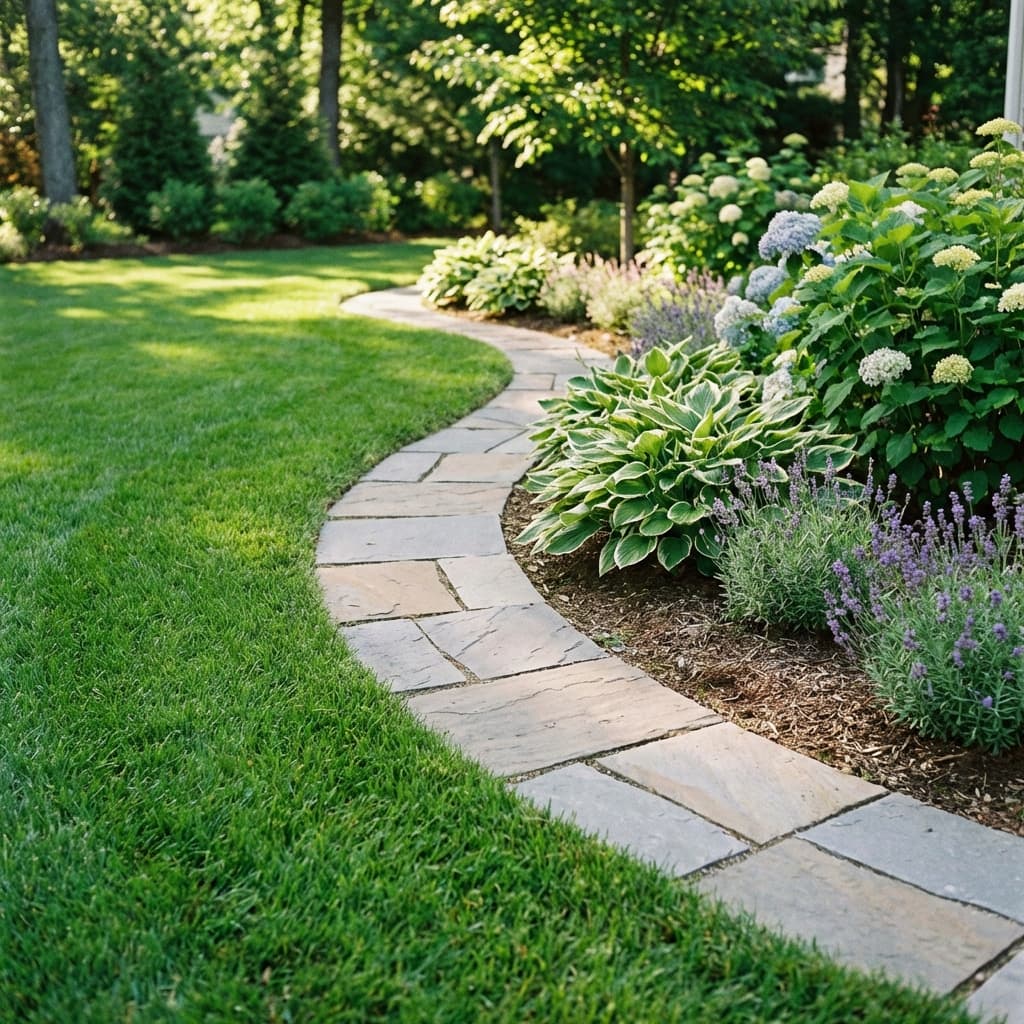
Designing a Florida Landscape: Best Plants for Jacksonville
Beyond the lawn: create a stunning, low-maintenance landscape. We share the top plants that thrive in Northeast Florida's unique climate, from vibrant crotons to hardy grasses.
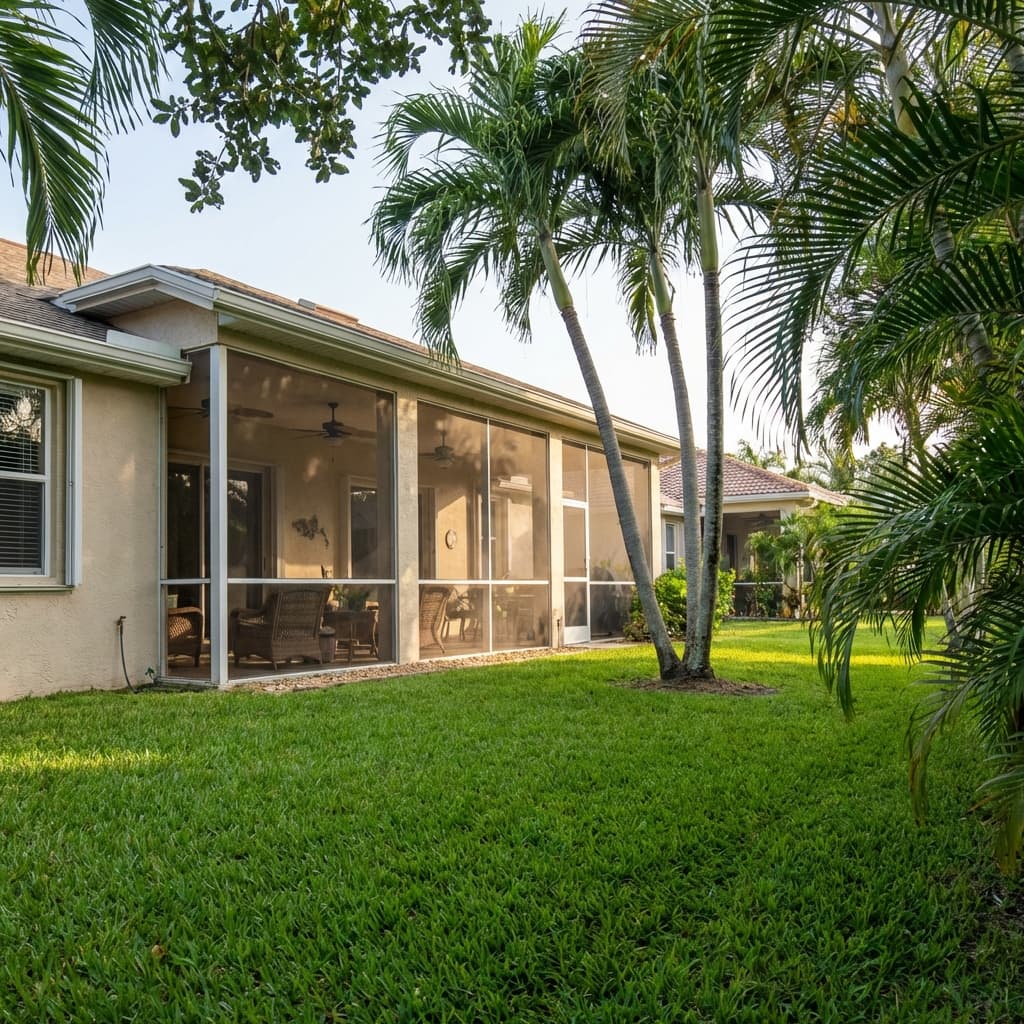
Ground Cover Plants Jacksonville FL: Best Options for Your Yard
Discover the best ground cover plants for Jacksonville's Zone 9a/9b climate. Expert tips on Asian jasmine, liriope, sunshine mimosa, and more for sandy soil and humid conditions.
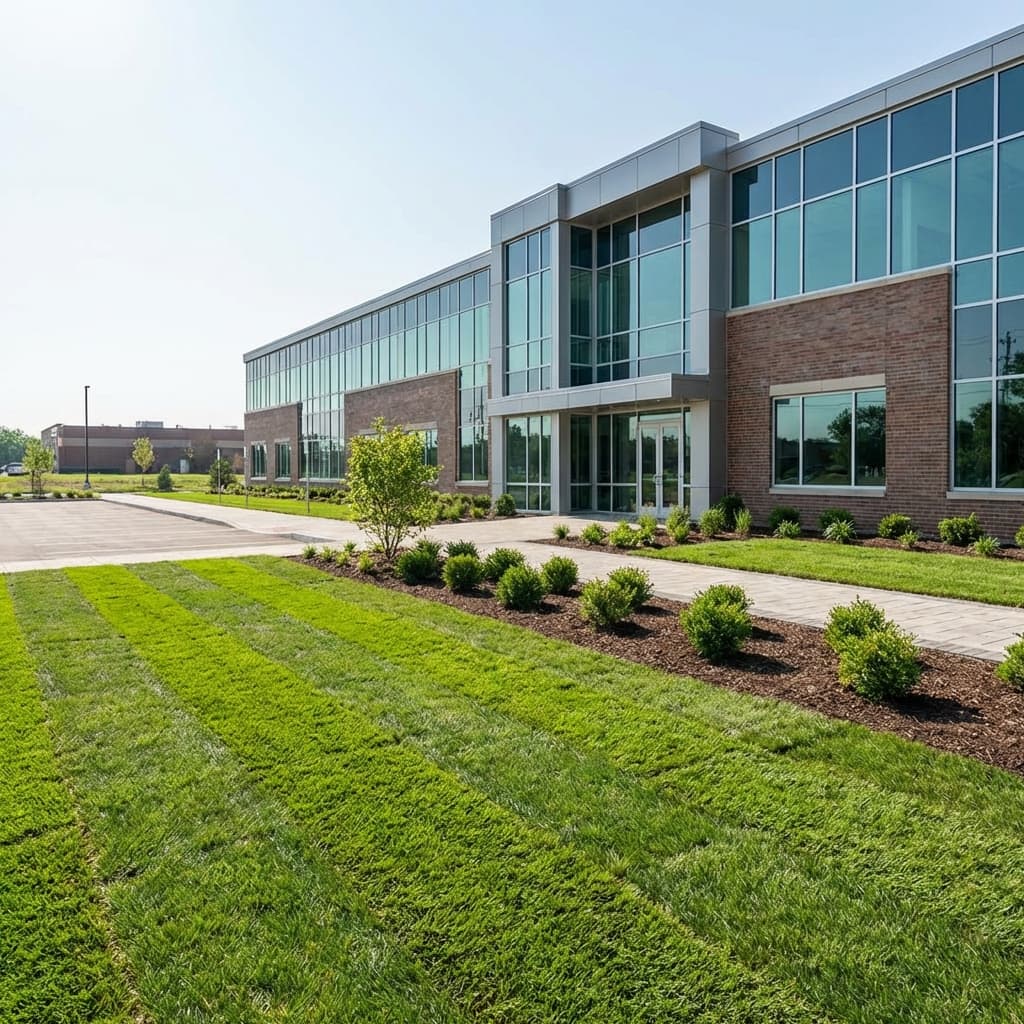
Apartment Complex Landscaping Jacksonville: Creating Curb Appeal That Lasts
Expert guide to apartment complex landscaping in Jacksonville. Learn how to design low-maintenance, attractive landscapes that handle Florida's Zone 9a/9b climate and keep residents happy.
Let’s talk about your lawn
Ask our AI assistant a lawn question, or send the team a free installation estimate request.